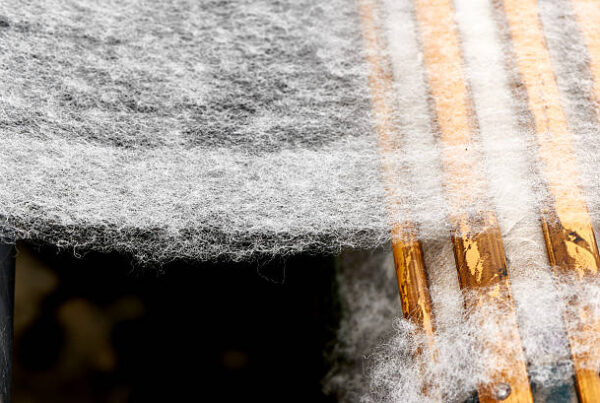
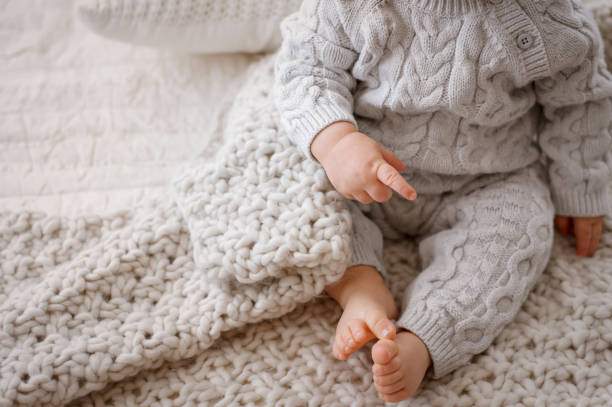
Baby cashmere is the pinnacle of luxury knitwear. It offers unmatched softness and a cloud-like feel. However, many owners worry about the “pilling” effect. They fear their delicate investment will look old quickly. Understanding the science of fibers helps you choose better quality. This guide explains how to ensure your baby’s cashmere sweater stays pristine. We decode the industry standards for lasting elegance.
1. The Truth About Pilling: A Natural Process
First, you must understand that all natural fibers can pill. Pilling occurs when loose fibers rub together. These fibers eventually form tiny balls on the surface. Consequently, even the most expensive baby’s cashmere sweater needs proper care.
However, the frequency of pilling depends on fiber quality. High-end cashmere uses longer, stronger hairs from the undercoat. These long fibers stay anchored within the yarn structure. Therefore, they do not migrate to the surface easily. Cheap cashmere uses short, broken fibers that pill almost immediately. Quality starts with the raw material choice.
2. Key Factors Affecting Your Sweater’s Surface
Three main technical factors determine the “fuzz” level of your knitwear.
Fiber Length: The Foundation of Durability
Length is the most critical factor for cashmere. Premium fibers typically measure over 36mm in length. Longer fibers wrap around each other more securely. Consequently, they resist pulling away during daily wear. This keeps the surface of your baby’s cashmere sweater smooth and clean.
Yarn Twist: The Balance of Softness
The “twist” refers to how tightly the fibers are spun. A low twist creates an incredibly soft, fluffy feel. However, it also allows fibers to escape and pill. Conversely, a high twist is very durable but feels stiff. Quality brands find the perfect “middle ground” for their yarn. They deliver a soft touch without sacrificing structural integrity.
Knitting Method: Pattern Matters
The way a machine knits the yarn also impacts friction. For example, a tight plain knit is usually more resistant. It creates a flat surface with fewer exposed fiber ends. On the other hand, loose ribbing or cable knits have more “texture.” These textures create more friction points during movement. Therefore, choose your stitch pattern based on your lifestyle needs.
3. Understanding Industry Anti-Pilling Grades
The textile industry uses a standardized test for pilling. Machines rub the fabric for a set number of cycles. Then, experts grade the results on a scale of 1 to 5.
- Grade 1-2: Significant pilling; typical of low-quality fast fashion.
- Grade 3-4: Excellent resistance; the gold standard for luxury cashmere.
- Grade 5: Almost zero pilling; usually requires synthetic blends or very hard yarns.
For a pure baby cashmere sweater, Grade 3-4 is the ideal target. This grade preserves the natural softness of the fiber. Furthermore, it ensures the garment looks beautiful for many years. It represents the perfect harmony between luxury and practicality.
Conclusion: Choosing Quality Over Temporary Softness
A great sweater should be an investment, not a disposable item. Do not be fooled by “ultra-soft”, cheap cashmere in stores. That softness often comes from loose, short fibers that pill quickly.
Instead, look for high-grade fibers and expert spinning techniques. Your baby’s cashmere sweater deserves the best technical foundation. By choosing the right anti-pilling grade, you protect your style. Enjoy the legendary warmth of cashmere without the constant maintenance. True luxury is meant to be worn and admired every day.