Fashion is more than clothing—it is a medium of self-expression, emotional influence, and personal connection. Among garments, sweaters occupy a unique role. They provide tactile comfort, visual warmth, and seasonal adaptability. For companies like HDL, specializing in custom knitted garments, understanding the intersection of color, psychology, and wearer well-being is key to delivering not only style but also emotional resonance.
This article explores how custom sweater colors can be designed to align with color psychology, respond to seasonal mood variations, and enhance emotional wellness. It provides actionable insights for designers and manufacturers on translating scientific research into practical yarn blends and personalized knitwear color palettes.
The Science Behind Color and Emotion
Color influences human perception at both conscious and subconscious levels. Research in color psychology shows that hues can impact mood, arousal, and behavior:
- Warm colors (reds, oranges, yellows) often evoke energy, warmth, and optimism.
- Cool colors (blues, greens, purples) tend to induce calmness, relaxation, and reflection.
- Neutral colors (beige, gray, soft brown) promote stability and balance.
In clothing, these effects are magnified by proximity to the skin and daily visibility. A sweater worn throughout the day interacts directly with the wearer’s visual field, enhancing or moderating emotional responses.
Seasonal Affective Dynamics and Knitwear
Seasonal changes, particularly reduced sunlight in winter, can trigger Seasonal Affective Disorder (SAD) in susceptible individuals. Symptoms often include low mood, lethargy, and decreased motivation. Here, apparel becomes more than fashion; it becomes a subtle therapeutic tool.
Custom sweater colors can be strategically selected to counteract seasonal mood dips:
- Winter months: Incorporate bright, warm tones like “sunlight yellow,” coral, or soft orange to energize and uplift.
- Spring months: Use pastels and light greens to evoke renewal and calm energy.
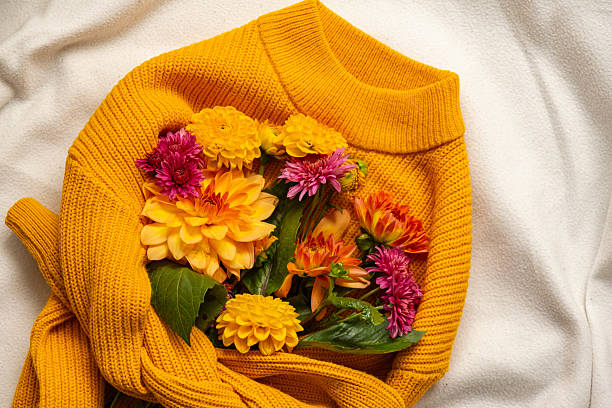
- Autumn months: Earth tones like burnt sienna, amber, and deep olive can provide comfort and grounding.
- Summer months: Cool blues and aqua shades offer cooling psychological effects and relaxation.
By aligning color selection with seasonal mood tendencies, custom sweaters transcend aesthetics and provide emotional modulation.
Personalized Color Palettes: From Data to Yarn
For HDL, the process of creating emotionally intelligent knitwear begins with user profiling:
- Assess emotional tendencies: Identify color responses that enhance or stabilize the wearer’s mood.
- Map seasonal light conditions: Determine natural sunlight availability, which affects color perception and psychological impact.
- Select yarn base and dye combinations: Use fibers that support vibrant color retention, even after washing, to ensure consistent emotional effect.
- Blend color harmonies: Combine primary, secondary, and accent hues to create nuanced palettes tailored to the individual.
For instance, a custom winter sweater may combine a base of muted charcoal with highlights of sunlight yellow and warm coral, balancing stability and mood uplift simultaneously.
Psychological Layering Through Knit Texture
Color alone does not dictate emotional response. Texture, pattern, and stitch density amplify or moderate visual impact:
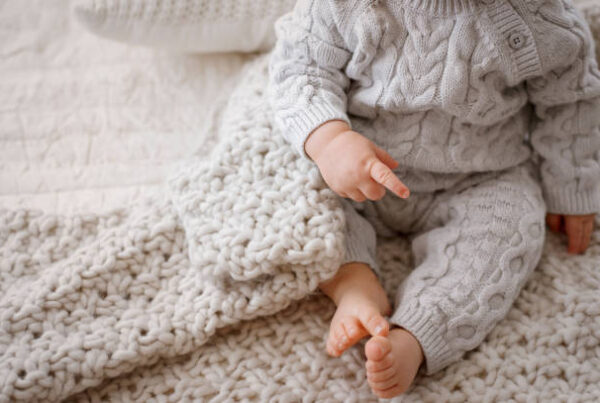
- Chunky, tactile knits create a sense of security and physical warmth, enhancing comfort beyond color psychology.
- Fine gauge knits emphasize sophistication and subtlety, which can complement calm, introspective hues.
- Cable and braided textures introduce shadowing and depth, enhancing the perceived richness of color and adding visual complexity.
By layering texture with carefully selected colors, HDL’s custom sweaters become multi-sensory experiences, engaging both sight and touch to support emotional wellness.
Seasonal Color Transitions and Gradients
Modern custom knitwear increasingly uses gradient dyeing and ombré effects to reflect seasonal transitions:
- Winter-to-spring gradients can shift from deep, comforting shades to vibrant pastels, symbolizing renewal.
- Autumn-to-winter gradients might transition from bright harvest tones to muted, warm neutrals, mirroring natural light reduction.
Gradient and blended color techniques reinforce psychological adaptability, allowing wearers to feel naturally aligned with seasonal cycles.
The Role of Contrast and Accent Colors
Contrast can activate energy and attention. For emotional modulation, strategically placed accent colors can elevate mood without overwhelming:
- Collars and cuffs: A pop of uplifting color near hands and face increases visible exposure to positive hues.
- Pattern highlights: Subtle inclusion of bright yarn strands in predominantly muted sweaters maintains a sense of optimism.
- Color blocking: Distinct blocks of complementary hues guide visual flow and maintain psychological balance.
These design strategies ensure that every sweater can be both aesthetically pleasing and emotionally supportive.
Yarn Quality and Color Retention
Color psychology relies on consistency. Fading or uneven dyeing can disrupt the intended emotional impact. HDL ensures:
- Fiber selection: Natural fibers like merino or alpaca enhance color absorption and longevity.
- Dye technology: Advanced low-impact dyes maintain vibrancy while being environmentally responsible.
- Colorfastness testing: Repeated washing and UV exposure simulations confirm the palette retains therapeutic effectiveness.
Quality yarns not only maintain color fidelity but also preserve tactile comfort, reinforcing emotional benefits.
Combining Color Psychology with Brand Identity
For retail brands, custom color sweaters can reflect both consumer emotion and brand language:
- Emotional resonance strengthens brand loyalty.
- Signature seasonal palettes communicate sophistication and consistency.
- Visual storytelling through color creates social media appeal and brand engagement.
By merging psychology, seasonal responsiveness, and branding, HDL helps clients deliver products that connect with wearers at both emotional and aesthetic levels.
Case Example: Winter Mood-Boosting Sweater
Consider a hypothetical design:
- Base yarn: Soft charcoal for grounding
- Primary accent: Sunlight yellow highlights on the sleeve and hem for optimism
- Secondary accent: Coral hints along the neckline for warmth
- Texture: Ribbed and braided sections to enhance depth perception
- Effect: Combines security, visibility of uplifting colors, and tactile warmth
The wearer experiences comfort, vitality, and emotional lift, effectively addressing winter-induced low moods.
Beyond Seasonal Affects: Year-Round Emotional Intelligence
While SAD awareness drives winter designs, color psychology in knitwear is valuable year-round:
- Spring: Energizing pastels for renewed motivation
- Summer: Cool hues for relaxation and cooling perception
- Autumn: Deep tones for grounding during transitional light cycles
By integrating psychological principles, color science, and high-quality fibers, HDL creates sweaters that support emotional balance across all seasons.
Sustainability Considerations
Color therapy is ineffective if unsustainable. HDL prioritizes:
- Eco-friendly dyes
- Ethically sourced fibers
- Durable color retention
- Reduced water and energy consumption in production
Sustainable practices ensure that emotional benefits are delivered responsibly.
Conclusion: Every Custom Sweater is a Personalized Emotional Palette
Custom sweaters are no longer mere garments—they are emotional instruments. Through careful application of color psychology, seasonal adaptation, texture layering, and quality yarns, each piece can enhance wearer’s well-being.
For HDL, this approach transforms knitwear manufacturing into a science-driven, design-focused, emotionally aware process. By harnessing the psychology of color and seasonal influence, every thread carries the potential to uplift, comfort, and energize.
In short, the right custom sweater is not just worn—it is experienced, emotionally and visually, in every season.