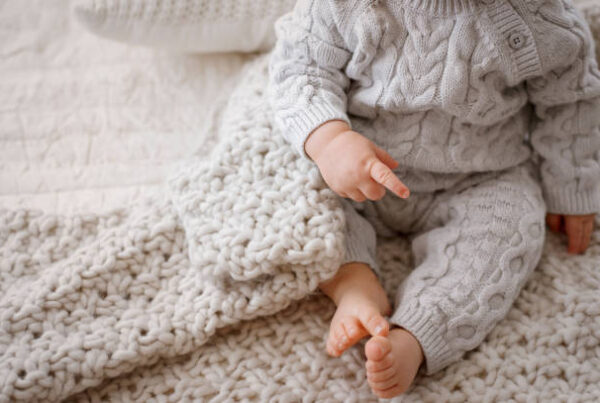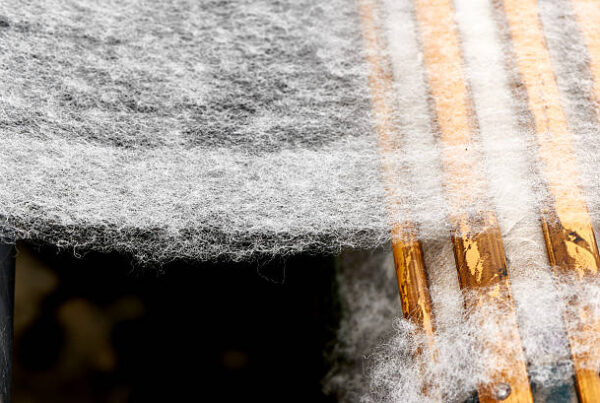
Within the knitwear industry, the success of a premium garment relies on factors that many buyers notice but rarely define. Touch, weight, and drape form the essential KPIs that shape a soft chunky knit cardigan and determine how consumers tangibly experience luxury. These attributes decide whether a cardigan feels indulgent, sits smoothly on the body, and retains its structure over time. Although silhouettes and color trends change, the sensory and functional core of a cardigan remains grounded in these three metrics.
For manufacturers who focus on high-end customization, such as HDL, these KPIs offer more than technical guidance. They shape the brand promise behind every soft chunky knit cardigan produced for global clients. Touch communicates emotion. Weight signals quality. Drape reveals craftsmanship. When these elements operate together, they create a premium knitwear experience that resonates with consumers and elevates brand value in a competitive market.
Because the chunky knit segment continues to expand, brands now demand greater control, deeper technical clarity, and more measurable standards. This shift pushes manufacturers to redefine quality benchmarks from yarn selection to production engineering. Touch, weight, and drape thus move from subjective impressions to objective performance indicators. Each has measurable traits and a direct influence on comfort, appearance, longevity, and perceived luxury.
Understanding the Modern Demand for Soft Chunky Knit Cardigans
Consumer interest in soft chunky knit cardigans has grown across global markets. This trend connects to several lifestyle shifts. People now value tactile comfort, slow fashion aesthetics, and versatile layering pieces. Chunky knitwear supports all these expectations while also offering emotional warmth. However, the rise of mass-produced knitwear has created wide variation in quality, which pushes premium brands to highlight craftsmanship as a differentiator.
Modern chunky knits must feel indulgent yet not heavy. They must maintain structure while moving fluidly with the wearer. They must deliver warmth without overwhelming the body. Achieving this balance requires detailed control over yarn density, stitch selection, and finishing processes. Touch, weight, and drape unify these decisions into measurable KPIs that guide consistent production across customized runs.
Premium buyers now expect transparency about yarn composition, fiber origin, and construction logic. These expectations influence sourcing and manufacturing strategy. As brands search for reliable partners who can deliver consistent softness, stable weight distribution, and graceful drape, manufacturers with technical expertise gain an advantage. HDL has responded to this shift by developing production frameworks built around the KPIs that define world-class chunky knitwear.

Touch: The Emotional KPI That Shapes First Impressions
Touch becomes the first moment of connection between wearer and garment. A soft chunky knit cardigan must feel gentle against the skin. It must also deliver warmth without irritation. This interaction often determines whether a customer continues to examine the product. Because of this powerful influence, touch becomes a core KPI for high-end knitwear.
Touch quality depends on fiber type, yarn spinning method, stitch density, and finishing treatments. Fine merino, cashmere blends, and premium acrylic options each create different tactile profiles. Manufacturers must understand these profiles and align them with client goals. A textured wool blend may feel plush and sturdy, while a cashmere mix offers extreme softness with minimal friction. Designers select each combination to match the sensory identity of the cardigan.
However, touch influences more than comfort. It also affects the perception of craftsmanship. A garment that feels silky and dense signals luxury even before the wearer examines construction details. This sensory impression increases willingness to buy and supports higher price positioning. Because of this connection, manufacturers treat touch not as a simple feature but as a measurable performance attribute.
Advanced finishing also enhances touch. Bi-wash processes, steam setting, and light brushing create a smoother surface. Each method affects fiber alignment and surface fuzz. When these techniques operate with precision, they create a soft chunky knit cardigan that feels indulgent without losing durability.
Touch thus becomes a KPI that bridges emotional and functional value. Premium knitwear must maintain softness during long-term use. If the garment pills or becomes rough, the perceived quality drops. Therefore, touch also measures fiber resilience. Yarn must resist abrasion and surface damage even after repeated wear. A strong manufacturing partner understands this requirement and engineers the garment to maintain its tactile identity across seasons.
Weight: The Structural KPI That Defines Quality
Weight demonstrates quality in ways that consumers understand intuitively. When a soft chunky knit cardigan feels balanced—neither too light nor overwhelmingly heavy—it communicates a level of craftsmanship that aligns with premium expectations. Weight thus becomes a core KPI because it influences temperature regulation, comfort, silhouette stability, and long-term durability.
Although many buyers assume heavier sweaters equal higher quality, the truth is more nuanced. True premium knitwear integrates weight strategically. Manufacturers distribute yarn density across the garment in ways that support warmth and structural balance. When weight spreads uniformly, the cardigan drapes gracefully without sagging. When weight concentrates in specific areas, the garment stretches unevenly and loses shape.
Chunky knitwear uses larger stitches and thicker yarns, which increases mass. Yet modern design trends require controlled weight to avoid excessive bulk. Achieving this balance requires a deep understanding of gauge systems, ply construction, and stitch tension. A loose gauge creates airiness but weakens structure. A dense gauge creates warmth but can reduce flexibility. Premium cardigans find harmony between these two extremes.
Weight also affects thermal performance. A cardigan with efficient weight distribution traps heat in controlled layers. This structure maintains comfort across different climates. Consumers who value functionality appreciate this characteristic, especially when they seek garments for travel or outdoor use. Brands thus treat weight as a KPI that affects both appearance and performance.
Finally, weight correlates with longevity. A cardigan that handles mass efficiently resists stretching and deformation. Manufacturers evaluate weight per square meter and test how the garment responds to movement, washing, and hanging. These evaluations support consistent product standards, reduce returns, and strengthen brand reputation.
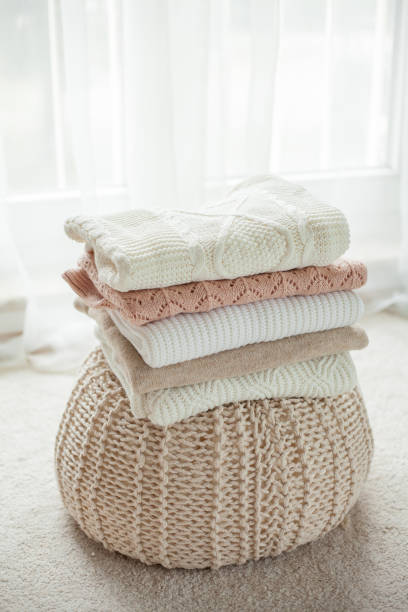
Drape: The Aesthetic KPI That Reveals Craftsmanship
Drape defines how fabric falls when worn. For a soft chunky knit cardigan, a graceful drape brings harmony to the body shape. It influences silhouette, fluidity, and overall elegance. Poor drape creates stiffness or sagging. Strong drape creates a luxurious visual effect that aligns with premium knitwear expectations.
Drape depends on yarn flexibility, fabric weight, stitch type, and garment construction. A ribbed cardigan behaves differently from a cable-knit design. A loose jersey stitch moves gently, while a basket weave offers structure. Manufacturers must match each stitch pattern with suitable yarn to achieve the desired drape.
Drape also influences comfort. A cardigan that moves with the body feels natural and effortless. When the garment shifts smoothly, the wearer experiences ease rather than bulk. This experience increases perceived value and strengthens emotional connection. Because chunky knits can become rigid when constructed poorly, strong drape becomes a key competitive factor.
The finishing stage plays a major role in drape control. Steam setting and shape fixing help fibers align. These treatments encourage fluid movement without weakening structure. When finishing occurs with precision, the cardigan maintains consistent drape even after extended wear.
For brands, drape becomes a KPI that determines styling versatility. A cardigan with an elegant drape pairs easily with dresses, trousers, or layered ensembles. It adapts across seasons and customer segments. This flexibility increases demand and strengthens the market position of soft chunky knit cardigans.
How These KPIs Work Together in Premium Custom Knitwear
Touch, weight, and drape do not operate independently. Each affects the others. When manufacturers approach these KPIs as a unified system, they create superior knitwear with predictable performance.
A cardigan that feels soft but lacks weight appears low-quality. A piece with strong weight but poor drape becomes uncomfortable. A garment with a beautiful drape but a rough texture fails the luxury test. For this reason, premium manufacturers engineer each KPI to work in harmony. They begin with fiber selection, then move toward yarn engineering, stitch control, and finishing precision. Every stage shapes the final product.
Chunky knitwear requires even greater attention because mistakes become more visible at a large gauge. A minor tension inconsistency disrupts the drape. A poor fiber blend compromises touch. A heavy stitch pattern increases unnecessary bulk. Only skilled manufacturers with technical understanding can deliver consistent excellence across these KPIs.
This holistic approach becomes the foundation of premium knitwear customization. Brands rely on partners who can interpret design intent and translate it into measurable KPI performance. HDL supports this need by integrating quality inspection at multiple stages and by applying engineering logic to aesthetic goals. This approach guarantees that every soft chunky knit cardigan meets the tactile, functional, and visual standards of luxury fashion.
Conclusion: KPIs That Define True Premium Knitwear
Touch, weight, and drape remain the three KPIs that determine the success of soft chunky knit cardigans in the premium market. They shape consumer perception before design, color, or silhouette can influence judgment. Touch provides emotional connection. Weight ensures comfort and structural stability. Drape delivers visual harmony and elevates aesthetic value. When these KPIs remain controlled with precision, the final garment becomes a true premium knitwear piece.
For brands that invest in custom knitwear, understanding these KPIs becomes essential. They offer a framework for evaluating manufacturing partners and help define quality standards across production runs. As the global demand for soft chunky knit cardigans continues to grow, the brands that prioritize these KPIs will deliver superior products that earn long-term customer loyalty.