
Four buyer-controlled variables often have a major influence on a custom sweater quotation: yarn, gauge, order quantity and design complexity. Their cost effect is not always linear, because these variables interact with garment weight, construction and production requirements. This guide explains how each variable contributes to sweater manufacturing cost and how to balance them before you request a price.
Other project costs, such as development, trims, packaging, testing or logistics, may also affect the total depending on the quotation scope and order requirements. The four variables above are the ones a buyer can most directly shape during design and order planning.
 How Yarn Choice Influences Your Sweater Cost
 How Yarn Choice Influences Your Sweater Cost
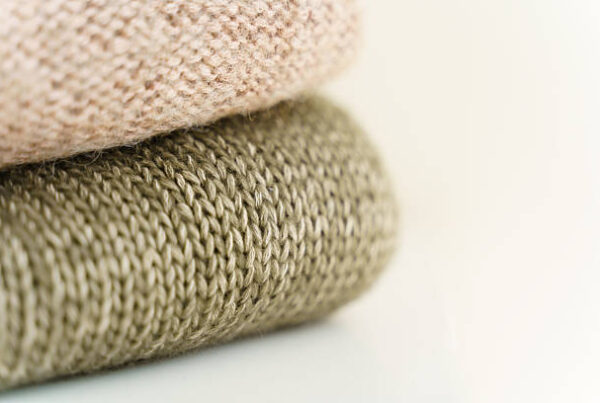
Yarn is often one of the largest material cost drivers in knitwear, particularly when premium fibers or higher garment weights are involved. Natural fibers such as cashmere and merino wool generally sit at the higher end of the cost range, while cotton, viscose, and acrylic are more economical. Blends are a common way to keep part of a higher-cost fiber’s hand while lowering the material bill.
The table below compares fibers by relative cost tier rather than by exact price. Actual yarn prices move with fiber market conditions, yarn count, and order size, so this is a guide to direction rather than a price list.
| Fiber or blend | Relative material cost | Common use |
|---|---|---|
| Cashmere | Higher | Lightweight warmth, soft hand |
| Merino wool | Higher | Fine-gauge, smooth hand |
| Lambswool | Mid | Classic sweaters |
| Cotton | Mid | Warm-weather, casual |
| Acrylic or synthetic blends | Lower | Budget, fashion-led |
| Wool-acrylic or cotton blends | Varies | Cost optimization |
Yarn count and ply influence yarn structure, linear density and processing cost. Additional plies can add plying or twisting processes, but total yarn consumption still depends on the final yarn size, stitch structure, knitting density and garment dimensions.
The yarn sourcing route matters as well. Stock yarn may reduce color-development work when the required shade is available, while custom-dyed yarn may involve supplier minimums, dye-lot requirements and additional development time. The exact requirements depend on the yarn supplier and project. If you are still choosing between fibers, the sweater yarn materials guide covers the options in more detail.
How Gauge Affects Weight, Appearance and Cost
Gauge is the number of needles per inch, and it shapes both the look of a garment and how much yarn it consumes. A lower gauge often uses coarser yarn and creates a chunkier construction, while a higher gauge often uses finer yarn and smaller stitches.
Gauge direction only indicates a tendency. The final garment weight, machine time, yarn consumption and cost also depend on yarn specification, stitch structure, knitting density, garment dimensions, pattern complexity and the machine program. Gauge is best decided before sampling rather than treated as a quick cost switch.
| Gauge direction | Typical construction direction | Cost consideration |
|---|---|---|
| Lower (3GG–5GG) | Often coarser yarn and larger stitches | May increase yarn consumption depending on yarn size, stitch structure and garment dimensions |
| Mid (7GG–9GG) | Broad range of medium constructions | Depends on yarn specification, knitting density, garment weight and pattern |
| Higher (12GG and above) | Often finer yarn and smaller stitches | Can support finer constructions; machine time and yarn use still depend on yarn specification, stitch structure and knitting program |
Changing the gauge after sample approval usually requires the construction and measurements to be re-evaluated and may require resampling, because gauge can affect stitch scale, drape, weight and fit. The sweater gauge guide walks through the trade-offs in detail.
How Order Quantity Spreads Development and Setup Cost
Some development and setup costs are relatively fixed at the style or order level, such as programming or certain sample-development activities. When these costs are included in the production quotation, a larger run can spread them across more pieces. Other costs, including yarn, knitting and finishing, are more directly linked to the quantity produced.
Our starting MOQ is 100 pieces per style for suitable projects. Size and color allocation depend on the yarn, color plan and production requirements.
| Cost type | Behavior with quantity | Examples |
|---|---|---|
| Relatively fixed development / setup costs | Spread across more pieces when included in the quotation | Programming, certain sample-development activities |
| Variable costs | Scale with quantity | Yarn, knitting, finishing |
How styles, colors, and sizes are grouped in one order changes the effective setup cost, which is covered in the custom sweater MOQ order planning article.
How Design Complexity Influences Production Cost
The more a design asks the machine and the operator to do, the more it may cost to program, knit, and finish. A plain single-color jersey is often simpler, while cables, jacquard, intarsia, and embroidery can each add setup time and handling, though the actual impact depends on the artwork and the chosen construction.
| Design feature | Cost effect | Why |
|---|---|---|
| Plain single-color jersey | Often simpler | Fewer color or structural changes |
| Additional colors in the pattern | Can increase | More yarn feeding and programming |
| Large intarsia blocks | May increase | More complex yarn-carrier management, knitting program and finishing depending on the artwork |
| Cables or Aran textures | May increase | Additional transfers or a more complex knitting program may increase machine time depending on the construction |
| Buttons, zippers, or patches | Can increase | Added components and labor |
Simplifying artwork, reducing unnecessary color changes, or selecting a knitted construction that better suits the artwork may reduce production complexity. The cost effect of jacquard versus intarsia should be evaluated from the actual artwork rather than assumed in advance. For a closer look at the two techniques, see the jacquard vs intarsia knitwear comparison.
Other Cost Components to Confirm in a Quote
Beyond yarn, gauge, quantity and design, several other items may affect the total project or landed cost depending on the quotation scope and order requirements.
- Development and sampling: Sampling is often priced separately from production. Confirm how development and sample charges are handled and whether any crediting arrangement applies to the order.
- Compliance and testing: Buyer- or market-required testing may add project costs. Confirm which testing requirements apply and whether they are included in the quotation.
- Logistics and duties: Where freight and duties are part of the quotation, Incoterms and the destination affect landed cost. Confirm which party carries freight, insurance and import duties depending on the quotation scope.
Asking about these items during the quotation stage reduces the chance of surprises on the final invoice.
 How to Balance These Factors Before You Ask for a Quote
 How to Balance These Factors Before You Ask for a Quote
Working through these variables in order makes a sweater manufacturing cost quotation more accurate and gives you room to adjust if the first price is above target. A useful sequence for preparing the request is:
- Confirm the fiber and blend that fit the retail target.
- Set the gauge that matches the intended weight and hand.
- Estimate the order quantity and how styles, colors, and sizes will be split.
- List the design features that are essential versus optional.
- Send the reference, tech pack, yarn preference, gauge, quantity, colors, and sizes.
If the quotation is above target, identify which cost driver contributes most to the actual quotation and adjust the variable with the least impact on the intended design, quality positioning and order plan.
Preparing the full set of specifications up front reduces back-and-forth and gives the factory what it needs to price the job accurately. The custom sweater quote checklist lists everything a manufacturer needs for a reliable quotation.
Frequently Asked Questions
What factor has the biggest impact on custom sweater cost?
Yarn is often one of the largest material cost drivers in knitwear, particularly when premium fibers or higher garment weights are involved. Design complexity and order quantity also matter, but their impact depends on the specific project rather than a fixed ranking.
Does a lower gauge always cost less?
Not necessarily. A lower gauge often uses coarser yarn and creates a chunkier construction, while a higher gauge often uses finer yarn and smaller stitches. The net cost effect depends on yarn specification, stitch structure, and machine program rather than the gauge alone.
Does increasing the order quantity reduce the unit price?
A larger run can spread relatively fixed development and setup costs across more pieces, so the per-piece cost often falls as quantity rises. Variable costs such as yarn still scale with the quantity produced.
Is stock yarn or dyed-to-order yarn the cheaper option?
Stock yarn may reduce color-development work when the required shade is available. Custom-dyed yarn may involve supplier minimums, dye-lot requirements and additional development time. The exact requirements depend on the yarn supplier and project.
Can a design be simplified to lower cost without losing the look?
Simplifying artwork, reducing unnecessary color changes, or selecting a knitted construction that better suits the artwork may reduce production complexity. Whether a change preserves the intended look should be evaluated on the actual design.
What information is needed for an accurate cost estimate?
A reference image or tech pack, yarn preference, target gauge, order quantity, color count, and size range. These inputs let a manufacturer estimate material, machine time, and setup cost.
Get a Cost Estimate for Your Design
To get a realistic cost picture, send us your reference image or tech pack, yarn preference, target gauge, order quantity, color count, and size range. We’ll review the design against these cost drivers and return a production proposal with a quotation.