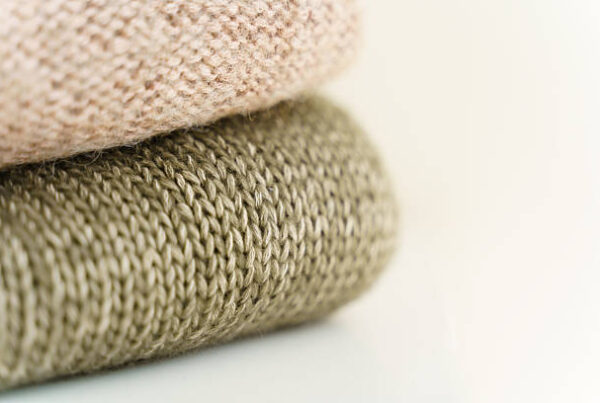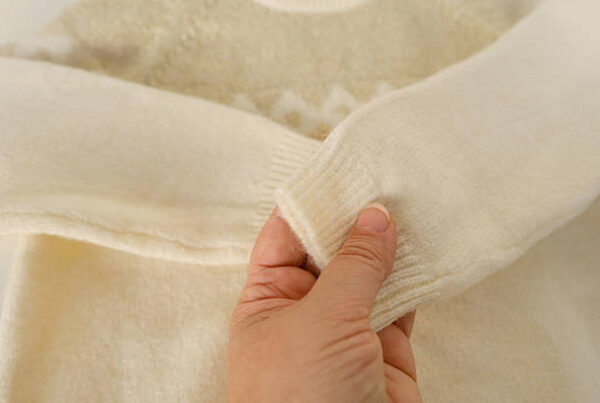
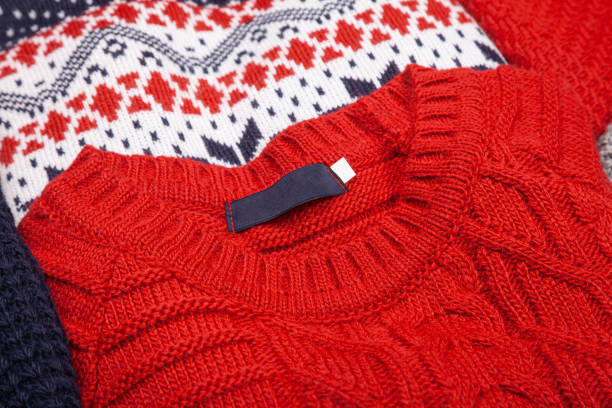
Private label sweater manufacturing allows fashion brands to sell knitwear under their own label without operating their own production facility. Depending on the project, the buyer, supplier or both parties may contribute to the design and technical specification. Design ownership, permitted customization and intellectual-property responsibilities should be confirmed before development begins. Private label can suit brands that want customized yarn, color, pattern, sizing, labels or packaging while working with an external manufacturer.
This guide covers what private label sweater manufacturing involves, how it compares with other production models, what buyers should prepare before contacting a supplier, and how the development process works from inquiry to shipment.
1. What Is Private Label Sweater Manufacturing?
In private label sweater manufacturing, a factory produces knitwear to an agreed specification, and the finished product carries the buyer’s brand name, label and packaging. Customization may include yarn composition, color, stitch structure, gauge, measurements, logo placement, trims, care labels and hang tags. A project can start from reference images, a physical garment sample, a design sketch, a measurement chart or a full tech pack. The exact division of development responsibility — who handles yarn sourcing, pattern making, grading and technical specification — should be confirmed before work begins.
2. Private Label vs White Label vs OEM vs ODM
These terms describe different starting points and levels of customization. Usage varies by industry and supplier, so buyers should confirm definitions during initial discussions rather than assuming a fixed meaning.
| Model | Starting Point | Design Responsibility | Customization Level | Suitable Buyers |
|---|---|---|---|---|
| White Label | Existing finished or near-finished product | Mainly supplier | Limited | Buyers needing fast market testing |
| Private Label | Supplier base style or buyer-developed concept | Shared or buyer-led | Moderate to high | Brands building products under their own label |
| OEM | Buyer specification, sample or technical package | Mainly buyer | High | Brands with defined product requirements |
| ODM | Supplier-developed concepts or design support | Mainly supplier or shared | Moderate to high | Buyers needing product development support |
Before development begins, buyers should confirm who owns the design, who prepares the technical specification, what can be customized and whether any design restrictions apply. A single project may combine elements of multiple models — for example, an OEM specification with private label branding and ODM design input on stitch structure.
3. Who Is Private Label Sweater Manufacturing Suitable For?
Private label knitwear development can suit fashion brands, designer labels, wholesalers, retailers and start-up labels developing their first sweater collection. It also works for established brands adding knitwear to an existing product range, and for buyers who have a reference garment, design sketch or tech pack ready.
Certain scenarios call for more preparation. Very small quantities, tight delivery schedules, specialty yarns, complex jacquard or intarsia patterns, hand-crochet details, specific testing requirements, and orders divided across many colors with small per-color quantities all require upfront discussion. These factors affect whether a project fits a particular supplier’s current capabilities and production schedule.
4. Information Buyers Should Prepare
The more details a buyer provides, the more accurate the initial assessment. Reference photos can support a first evaluation, but accurate sampling and quotation usually require additional information.
| Information | Why It Matters |
|---|---|
| Reference image, sketch, sample or tech pack | Defines the product starting point |
| Yarn composition or target hand feel | Affects appearance, performance and cost |
| Gauge or target garment weight | Affects structure and yarn consumption |
| Measurement chart and size range | Supports sample and grading accuracy |
| Quantity by color and size | Helps assess MOQ and production planning |
| Color references or Pantone codes | Supports yarn and color development |
| Logo and artwork files | Clarifies jacquard, embroidery or label requirements |
| Labels, trims and packaging | Affects quotation and preparation |
| Target market | Helps identify labeling and testing requirements |
| Delivery destination and target date | Supports production and logistics assessment |
5. The Private Label Sweater Production Process
Step 1: Initial Inquiry and Project Assessment
The factory reviews the design for feasibility — whether the gauge, yarn, stitch structure, quantity, color split and target delivery date are compatible. It checks yarn availability, estimates the required knitting gauge, identifies any potential construction issues, and flags testing or compliance requirements early.
Step 2: Yarn and Material Selection
Sweater yarn materials range from stock-service options in pre-dyed colors — which can shorten preparation time — to custom-dyed yarns offering specific colors but requiring minimums per color and additional lead time. Physical color cards or yarn swatches help both sides align expectations before sampling. When certified materials or standard-specific documentation are required, buyers should confirm the certification scope, certificate holder and any order-level documents at the material sourcing stage. Requirements vary by certification program.
Step 3: Quotation and Commercial Confirmation
A production quotation should be based on the confirmed design, yarn composition, gauge, garment weight, stitch complexity, quantity, colors, size range, trims, labels, packaging, testing requirements, and trade and logistics terms. Payment terms, trade terms and shipment arrangements should be confirmed according to the quotation, destination and order requirements.
Step 4: Sample Development
Development typically progresses through design review, an initial sample for fit and construction evaluation, yarn and color confirmation, one or more revision rounds, and a pre-production sample when required. Terminology varies between factories — one supplier’s “prototype” may be another’s “development sample” — so confirm definitions at the start. Sample development time varies according to yarn availability, design complexity, stitch structure and the number of revisions.
Step 5: Pre-Production Confirmation
Before bulk production, confirm the approved sample, measurement specification, yarn and color, stitch structure, logo placement, labels and trims, packaging, quality criteria and delivery schedule. The approved sample serves as a production reference. Any unresolved specification at this stage can lead to inconsistencies, rework or delays during bulk production.
Step 6: Bulk Production
Bulk production moves through yarn preparation, knitting, linking or sewing, washing and finishing, measurement checking, and labeling and packing. Quality checks at each stage help catch issues before they affect the full order.
Step 7: Inspection and Shipment
The buyer and supplier should confirm the inspection method, sampling plan, defect classification and acceptance criteria before bulk production. Depending on the order, inspection may include in-process checks, final random inspection, or third-party inspection. Trade terms and shipping methods are confirmed per order and destination.
6. What Affects MOQ?
MOQ is evaluated according to yarn availability, design complexity, color requirements, craftsmanship and the overall order structure. Key factors include:
- Stock yarn or custom-dyed yarn
- Yarn supplier minimums
- Number of colors and per-color quantity
- Gauge
- Stitch and pattern complexity
- Garment weight
- Handwork (crochet, embroidery)
- Custom trims, labels and packaging
- Testing requirements
7. What Affects Price?
Price is driven by material, construction and order structure. The table below outlines the general direction of cost impact for common requirements.
| Requirement | Typical Cost Impact |
|---|---|
| Stock yarn and simple stitch | Generally lower |
| Custom-dyed yarn | Moderate to higher |
| Intarsia or complex jacquard | Higher |
| Hand embroidery or crochet | Higher |
| Custom buttons, zippers or metal trims | Moderate to higher |
| Special testing or certified materials | Project-dependent |
Other variables that influence the final cost include yarn count, garment weight, gauge, number of colors, logo technique, linking and seaming work, washing and finishing, accessories, labels, packaging, testing and total quantity.
8. What Affects Sampling and Production Lead Time?
Sweater production lead time depends on yarn availability, design complexity, approval speed, order quantity and the current production schedule. Buyers should confirm the timeline for each stage separately:
- Yarn preparation time
- Sample development time
- Revision time
- Bulk production time
- Inspection time
- Shipping time
Additional factors that influence lead time include custom dyeing, pattern programming, the number of colors, peak season scheduling, testing requirements and packaging preparation.
9. Quality Control for Private Label Sweaters
A structured sweater quality control process should cover incoming yarn, knitting, stitch and pattern alignment, linking and seams, measurements, washing and finishing, appearance, labels, packaging and final inspection. The buyer and supplier should confirm measurement tolerances, defect classification, testing requirements and inspection methods before bulk production.
10. Certifications and Compliance Documents
Document types to distinguish:
- Factory-level audit or management-system certification may apply to the production facility, depending on the audit program or certification scope.
- Product or material certification may apply to yarns, fabrics, garment components or finished products.
- Product testing report applies to a specific test on a specific sample.
- Transaction Certificate — under certification programs that use Transaction Certificates, a TC may be required to document certified materials or products for a specific transaction or shipment.
- Shipment documents apply to one order.
Buyers should request valid and current documents and verify the company name, certificate number, validity period and certification scope.
11. Common Problems and How to Reduce Them
Color Variation
Dye lots can differ between sample and bulk production, and between reorders. Confirm color standards using physical swatches or lab dips, and agree on an acceptable tolerance range before bulk. When multiple lots are necessary, plan lot separation and consistency checks.
Sample and Bulk Differences
Differences between the approved sample and bulk production often come from yarn lot changes, machine tension variations or undocumented revisions. The approved sample and written specification together define the production standard.
Size and Measurement Issues
S, M and L labels mean different measurements in different markets. Provide a measurement chart and agree on tolerances per measurement point. Target market size conventions should be confirmed, not assumed.
MOQ Split Across Colors
An order split thinly across many colors can push per-color quantities below yarn supplier minimums. Provide a quantity structure by color and size so the factory can assess feasibility before quoting.
Unrecorded Revisions
Changes discussed in messages but not updated in the tech pack or measurement chart create version confusion on the factory floor. Every approved change should be reflected in the written specification.
Unrealistic Delivery Dates
A target date that does not account for yarn preparation, sampling, revisions, production, inspection and shipping may be unrealistic. Calculate backwards from the delivery date and confirm each stage.
12. How to Evaluate a Private Label Sweater Manufacturer
- Does the supplier specialize in knitwear?
- Has it produced similar yarns, gauges and stitch structures?
- Can it assess reference images, samples or tech packs?
- Are yarn, color and measurements confirmed in writing?
- Are MOQ and lead time explained with conditions?
- Are sample revisions recorded?
- Are quality standards confirmed before production?
- Can current documents be provided when required?
- Is communication clear and technically specific?
- Is the quotation based on a defined specification?
For a deeper evaluation framework, read our guide on how to choose a reliable sweater manufacturer.
13. Private Label Knitwear Development with HDL Fashion
HDL Fashion provides private label, OEM and ODM knitwear development for men’s, women’s, baby and kids’ collections from a 5,000 m² factory with more than 20 years of knitwear experience. Buyers can provide reference images, physical samples, measurement charts or tech packs for an initial assessment. Customization may include yarn, color, stitch pattern, sizing, labels and packaging. MOQ, sampling time and bulk production schedules are evaluated according to the project requirements.
A successful private label project starts with a clear specification and a supplier that can assess it honestly. Brands can send HDL Fashion reference images, samples or tech packs for an initial production assessment.
Frequently Asked Questions
What is private label sweater manufacturing?
A factory produces knitwear to agreed specifications, and the finished products carry the buyer’s brand name, labels and packaging. Customization can cover yarn, color, stitch structure, gauge, sizing, logo placement, trims and packaging. Development may start from reference images, samples, sketches or tech packs.
What information do I need for a private label sweater quotation?
Provide a design reference (image, sketch, sample or tech pack), yarn composition or target hand feel, gauge or weight preference, measurement chart, quantity per color and size, color references, logo details, label and packaging requirements, target market and delivery destination.
What affects the MOQ for private label sweaters?
MOQ depends on yarn type (stock or custom-dyed), yarn supplier minimums, number of colors, per-color quantity, gauge, stitch complexity, garment weight, handwork, custom trims and testing requirements. MOQ is evaluated according to the overall order structure.
How long does private label sweater sampling take?
Sampling time depends on yarn availability, design complexity, stitch structure and the number of revisions. A simple style in stock yarn can be ready quickly; a complex design using custom-dyed specialty yarn takes longer. Request a timeline broken down by stage rather than a single number.
Can a manufacturer develop a sweater from reference photos?
Reference photos support an initial feasibility assessment — the factory can evaluate general style, stitch appearance and approximate gauge. Accurate sampling and quotation usually require additional information such as measurements, material preference, color references and construction details.
What should I confirm before bulk production?
Confirm the approved sample, measurement specification, yarn composition and color, stitch structure, logo placement, labels and trims, packaging method, quality criteria, inspection method and delivery schedule. These form the production reference against which finished goods are checked.