
Introduction
Choosing the right sweater yarn materials is one of the most impactful decisions a fashion brand or buyer makes during product development. The yarn determines not only how the finished garment looks and feels on the shelf, but also its durability, care requirements, cost structure, and ultimately how satisfied your customers will be after purchase.
For B2B brands working with knitwear manufacturers—especially those sourcing from China, Turkey, Bangladesh, or Italy—a solid understanding of yarn options helps you communicate precise specifications to suppliers, avoid costly production mistakes, and make informed trade-offs between quality, price, and performance.
In this guide, we break down the most commonly used sweater yarn materials in commercial knitwear production, compare their properties side by side, and share practical tips for selecting the right material for each product category.
Sweater Yarn Materials: An Overview
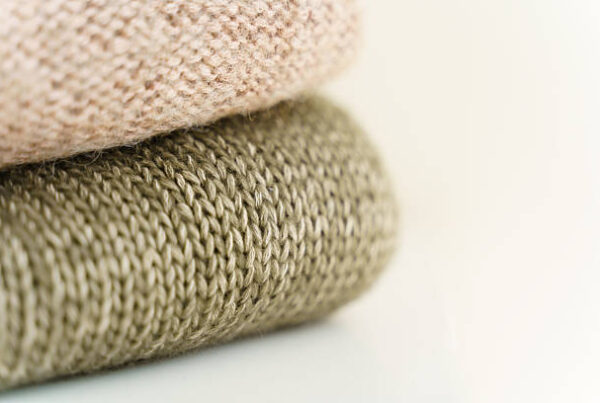
Modern sweater manufacturing draws from a wide range of natural, synthetic, and blended fiber types. Each category offers distinct advantages depending on the end-use case, target market position, and budget.
The main categories of sweater yarn materials used in B2B knitwear production include:
- Natural fibers: Wool (Merino, Lambswool), Cashmere, Cotton, Alpaca, Linen
- Synthetic fibers: Acrylic, Polyester, Nylon
- Blended yarns: Wool-Acrylic, Cotton-Polyester, Wool-Cashmere blends
Below, we examine each type in detail with practical guidance for wholesale buyers and brand developers.
1. Wool: The Workhorse of Sweater Production
Wool remains the single most widely used material in sweater manufacturing. It offers natural warmth, moisture-wicking properties, excellent elasticity, and a premium hand feel that synthetic alternatives struggle to fully replicate.
Merino Wool
Merino wool, sourced primarily from Australia and New Zealand sheep breeds, is prized for its exceptionally fine fibers—typically 15–24 microns in diameter. This fineness translates into a soft, non-itchy texture suitable even for garments worn directly against the skin.
B2B advantages:
- Premium positioning at mid-to-high price points
- Strong consumer recognition and perceived value
- Good elasticity and shape retention
- Naturally odor-resistant and temperature-regulating
For brands targeting conscious consumers, look for suppliers who can provide OEKO-TEX Standard 100 certified Merino yarn. According to OEKO-TEX official guidelines, this certification ensures that yarn has been tested for harmful substances at every stage of processing.
Lambs wool
Lambswool comes from a sheep’s first shearing, producing shorter, softer fibers than standard adult wool. It delivers a warmer, fuzzier texture ideal for autumn/winter collections aimed at colder climates.
Key considerations:
- Generally more affordable than Merino while still offering softness
- Tendency toward light pilling over time
- Often used in chunky cable-knit and textured designs where surface texture adds visual interest
2. Cashmere: Premium Luxury Fiber
Cashmere, harvested from the undercoat of goats native to Mongolia and Inner Mongolia, China, represents the pinnacle of luxury among sweater yarn materials. Its ultra-fine fibers (typically 14–19 microns) create an extraordinarily soft, lightweight warmth that no other fiber matches at equivalent weights.
B2B sourcing notes for cashmere:
- Significant price variance exists based on fiber length, micron count, and origin
- 100% cashmere commands the highest retail prices but has lower durability than wool-cashmere blends
- For volume orders, consider 70/30 or 80/20 wool-cashmere blends as a cost-effective compromise
- Always request lab test certificates verifying actual cashmere content before bulk production
China produces approximately 60–70% of the world’s raw cashmere supply. For B2B brands seeking a reliable China-based manufacturer with experience handling genuine cashmere and other premium sweater yarn materials, HDL Fashion works directly with Inner Mongolian cashmere sources and provides full traceability documentation upon request.
3. Cotton: Breathable and Versatile
Cotton sweaters occupy an important niche between summer knits and winter layers. They offer breathability, machine-washability in many cases, and broad appeal across demographic segments including consumers sensitive to animal-derived fibers.
Common cotton yarn varieties in sweater production:
- Combed cotton: Longer, smoother fibers with reduced pilling; preferred for fine-gauge (12GG+) lightweight sweaters
- Egyptian cotton / Pima cotton: Extra-long staple fibers with superior strength and luster; positioned at the premium end
- Organic cotton: GOTS-certified options available for sustainability-focused collections; typically 10–30% higher cost than conventional
Cotton’s main limitation compared to wool is reduced thermal insulation and elasticity. For transitional-season pieces and year-round markets like Southeast Asia and Southern Europe, however, cotton is often the optimal choice among sweater yarn materials.
4. Synthetic Fibers: Acrylic and Beyond
Acrylic remains the dominant synthetic option in mass-market sweater production due to its low cost, vibrant color retention, and resistance to shrinking and moths. Modern acrylic yarns have improved significantly in softness, though they still lag behind natural fibers in breathability and long-term durability.
When acrylic makes sense:
- Entry-level and promotional price tiers
- Designs requiring bright, saturated colors that resist fading
- Products marketed to consumers with wool sensitivities
- High-volume orders where per-unit cost control is critical
When to avoid acrylic:
- Mid-range and premium positioning where consumers expect natural fibers
- Items requiring high durability under repeated washing
- Brands building around sustainability narratives
Polyester and nylon are less common as primary sweater yarns but frequently appear in small percentages within blended yarns to improve dimensional stability, reduce pilling, or add stretch.
5. Blended Yarn Materials: Balancing Performance and Cost
For most B2B brands, the sweet spot lies in blended sweater yarn materials. Blends combine the best attributes of multiple fiber types while mitigating individual weaknesses.
Popular blend ratios in commercial knitwear:
| Blend Type | Typical Ratio | Best For | Price Tier |
|---|---|---|---|
| Wool + Acrylic | 50/50 – 70/30 | Mid-range everyday sweaters | Mid |
| Wool + Cashmere | 70/30 – 90/10 | Premium luxury pieces | High |
| Cotton + Polyester | 65/35 – 80/20 | Lightweight spring/summer knits | Low-Mid |
| Wool + Nylon | 85/15 – 95/5 | Active/workwear sweaters | Mid |
6. How to Select the Right Yarn for Your Product
Selecting among sweater yarn materials requires balancing several competing factors simultaneously. Here is a practical decision framework for B2B buyers.
Step 1 — Define the target market segment. Is this entry-level, core, or premium? Your retail price point largely dictates acceptable raw material costs.
Step 2 — Identify functional priorities. Does the garment need maximum warmth, breathability, washability, or softness? Different fibers excel in different areas.
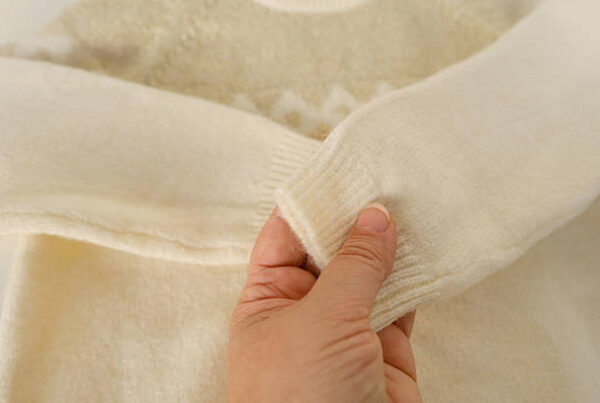
Step 3 — Request yarn samples from manufacturers. Always evaluate actual swatches rather than relying solely on specification sheets. Hand feel, drape, and visual appearance must be assessed physically.
Step 4 — Consider care labeling implications. Dry-clean-only items face different market acceptance than machine-washable ones, especially in North American casual-wear segments.
Step 5 — Factor in minimum order quantities. Specialty yarns such as cashmere or organic cotton often carry higher MOQs or longer lead times than standard wool or acrylic.
7. Quality Verification Tips for Yarn Sourcing
Regardless of which sweater yarn materials you select, implementing basic verification steps reduces the risk of receiving substandard or misrepresented materials in bulk production.
We recommend requesting the following from any new supplier:
- Fiber composition test reports from accredited labs (e.g., SGS, Intertek)
- Colorfastness test results for both washing and light exposure
- Pilling resistance ratings using standard testing methods
- Shrinkage data after standard wash cycles (target: under 5% for most knitwear)
- Yarn lot consistency samples showing color matching across batches
At HDL Fashion, we maintain a documented QC protocol covering all of these checkpoints for every order, regardless of whether clients request them explicitly.
Conclusion
A deep understanding of sweater yarn materials separates informed B2B buyers from those who leave critical decisions entirely to suppliers. By knowing the strengths, limitations, and typical applications of each major fiber category—and by applying a structured evaluation process during development—you can consistently source knitwear that meets quality expectations, fits your cost targets, and resonates with end consumers.
Whether you need guidance on selecting the right yarn blend for a new collection, or are looking for a manufacturing partner experienced across all major sweater yarn materials, HDL Fashion’s team is ready to assist. We work with brands ranging from emerging labels to established retailers across Europe, North America, and Australia, offering OEM customization, ODM design support, and transparent pricing from sample through delivery.
Ready to develop your next knitwear collection? Contact our team today for a free consultation and yarn sampling support.