The Rich History and Evolution of Knitwear
The origins of knitwear trace back to approximately 4000 BC, emerging from early weaving techniques in ancient Egypt and Mesopotamia. Initially crafted from natural fibers like sheep wool and cashmere, these garments offered essential warmth and comfort in diverse climates. Over centuries, knitting techniques evolved into intricate stitching patterns and complex structural designs, giving rise to highly diverse apparel styles.
By the 19th century, knitwear officially entered the fashion realm. The Industrial Revolution introduced mechanized loom systems, which dramatically boosted production efficiency and output. During this era, knitwear transitioned from a purely utilitarian garment into a highly favored fashion statement. In fact, by the 15th century in Europe, specialized knit garments had already become a prominent status symbol among the upper class, showcasing the wearer’s social standing and taste.
During the 20th century, knitwear achieved widespread mainstream popularity. Driven by youth culture and active sportswear trends, it evolved into a canvas for bold self-expression. In Asian regions like China, knitted clothing carries deep cultural significance. It frequently merges with traditional handcrafting techniques to reflect a profound pursuit of quality and aesthetics. Today, knitwear maintains its critical global status, serving as a perfect fusion of thermal warmth and high fashion.
Why Parents Choose Knitwear for Babies
As a core category of modern infant apparel, knitwear is highly favored by parents due to its outstanding comfort, exceptional breathability, and reliable thermal retention:
- Unmatched Skin Comfort: Comfort is paramount during an infant’s early developmental stages when skin is incredibly delicate. A premium custom baby knitwear manufacturer utilizes ultra-soft fabrics that contour gently to a baby’s body, eliminating harsh friction and minimizing skin irritation.
- Optimized Breathability: Because infants have developing thermoregulation systems, breathable clothing is vital to prevent overheating. Lightweight knit structures allow moisture to dissipate quickly, keeping the baby’s skin dry and comfortable.
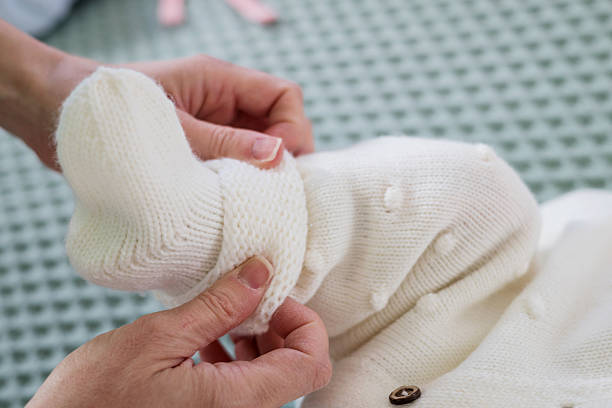
- Excellent Thermal Insulation: During cold winter seasons, the unique looped structure of knitted fabric creates natural air pockets that trap body heat efficiently. This allows parents to layer clothing dynamically without making the infant feel restricted or bulky.
Selecting the Best Knitwear Materials
When sourcing and manufacturing infant knitwear, material composition is the most critical technical factor. Understanding the commercial advantages of different fibers helps brands design superior product lines:
Natural Cotton
Cotton is the most popular choice for baby knitwear due to its natural hypoallergenic properties, superb breathability, and moisture absorption. It feels incredibly soft against sensitive skin. However, pure cotton has lower elasticity and may lose its original shape after repeated industrial washes.
Premium Wool
Fine wool offers exceptional warmth-to-weight ratios and natural elasticity, keeping babies warm in sub-zero climates. While high-grade wool possesses excellent windproof and water-resistant qualities, certain coarse wool fibers can irritate sensitive infant skin.
Synthetic Polyester Fibers
Synthetic blends are lightweight, highly durable, and wrinkle-resistant. They dry quickly and withstand frequent washing cycles. However, pure synthetics lack the natural breathability of organic cotton, requiring careful blending ratios to ensure comfort.
Knitwear Styles and Functional Designs
Modern infant knitwear designs seamlessly balance traditional comfort with contemporary styling trends. Classic configurations utilize simple round collars or V-neck cuts in ultra-soft yarns to guarantee day-long comfort.
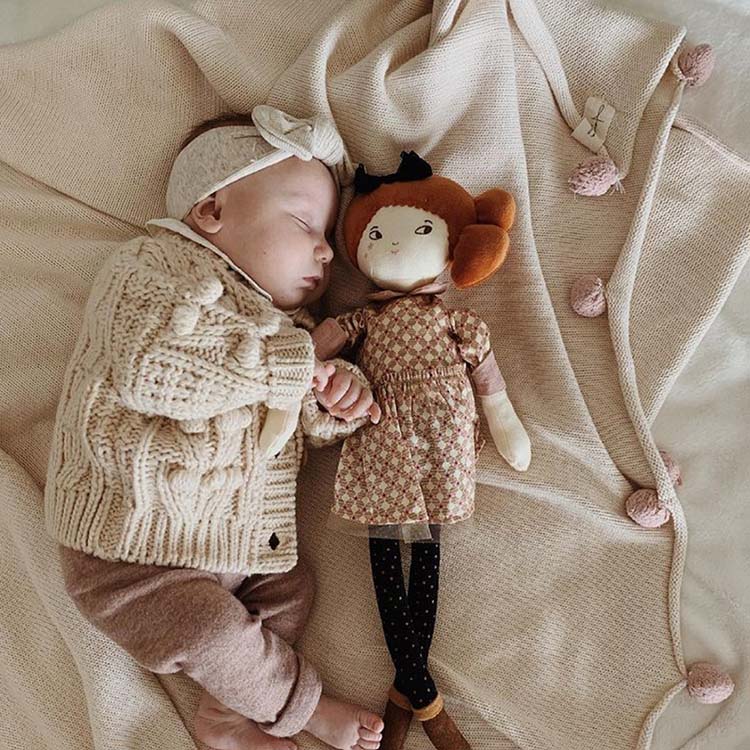
In contrast, modern fashion trends embrace bold color palettes, vivid animal graphics, geometric blocks, and playful cartoon patterns. Soft pastel pinks, sky blues, neutral grays, and warm creams remain highly popular across global markets. Many designs also incorporate delicate accents like custom buttons, embroidery, or miniature plush attachments to enhance visual appeal.
Furthermore, functional utility is highly integrated into modern knitwear. Features such as convenient shoulder snaps, flexible button-down openings, and adjustable rib-knit cuffs allow active babies to move freely while making dressing hassle-free for parents.
How to Style and Coordinate Baby Knitwear
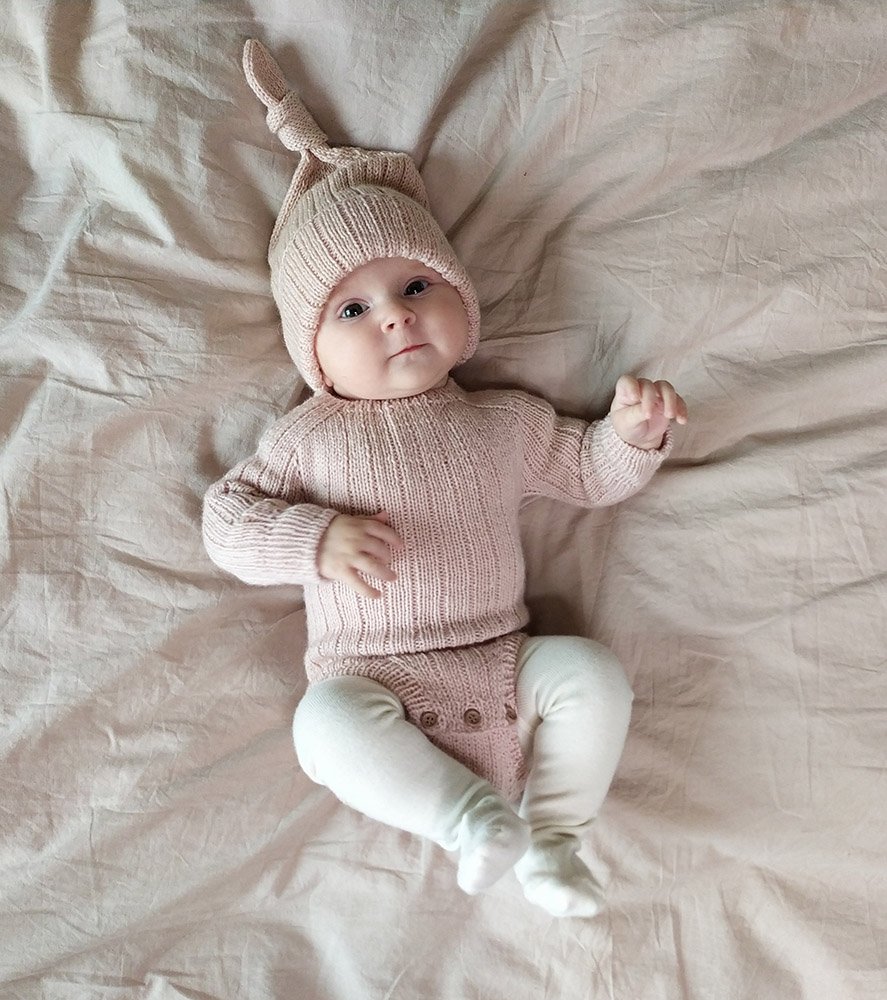
Knitted sweaters serve as highly versatile layering pieces in an infant’s wardrobe, easily pairing with various bottoms and accessories:
- Bottoms: For cooler seasons, pairing a knit sweater with dark denim jeans or soft fleece joggers creates a classic, stylish look. During milder spring and autumn days, lightweight knitwear can be paired with shorts or skirts for a playful, energetic aesthetic.
- Accessories: Adding coordinating beanies, soft scarves, or light outer jackets helps protect infants against sudden outdoor temperature drops.
- Layering: Because of its flexible texture, knitwear easily accommodates different color palettes, allowing parents to create elegant, layered outfits for both casual and formal occasions.
Care and Maintenance Guide for Knit Apparel
To preserve the delicate texture, elasticity, and shape of baby knitwear, proper laundering and care procedures are essential:
- Gentle Washing: Always wash knitwear inside out using cold water and mild, fragrance-free baby detergent to prevent skin irritation. Avoid hot water, which causes fibers to shrink and warp.
- Protective Mesh Bags: Place the garments inside a protective mesh laundry bag and select the gentle or “wool” cycle on your washing machine to minimize fiber friction.
- Flat Drying: Never hang wet knitwear on hangers, as gravity will stretch the shoulders out of shape. Instead, roll the wet garment in a clean towel to absorb excess moisture, then lay it completely flat on a drying rack away from direct sunlight.
- Wrinkle Removal: Use a handheld garment steamer on a low temperature setting. Keep the steam nozzle slightly away from the fabric to smooth out creases safely without damaging the delicate yarn fibers.
Leading Brands in the Baby Knitwear Market
Several global apparel brands have established strong reputations for quality infant knitwear:
- Gap Baby & BabyGap: Renowned for classic, durable, and highly practical designs made from premium cotton. They focus on comfort, safety, and flexible movement for active toddlers.
- H&M: Offers highly affordable, trendy, and diverse knitwear options. They heavily utilize certified organic cotton, catering to budget-conscious and eco-friendly households.
- Zara Kids: Favored by fashion-forward parents for its sophisticated tailoring, unique colorways, and modern silhouettes, presenting a premium aesthetic at a accessible price point.
Future Trends: Eco-Consciousness and Smart Fabrics
The global market for children’s knitwear is shifting rapidly toward sustainability and technical innovation. Today’s parents prioritize eco-friendly manufacturing, driving massive demand for certified organic cotton, ethically sourced merino wool, and recycled polyester yarns.
Looking ahead, smart fabric technology is set to revolutionize the industry. Future collections will feature advanced smart yarns capable of active thermoregulation, automatically adjusting thermal retention based on the baby’s skin temperature. Additionally, the development of 3D seamless knitting technology allows manufacturers to produce completely custom-fit, zero-waste garments tailored to individual body measurements.
Real Parent Feedback and Testimonials
Real-world feedback from global parents highlights the invaluable comfort and everyday practicality of high-quality baby knitwear:
“I purchased several knit sweaters in different pastel tones for my baby. They are incredibly soft, keep my child warm during morning walks in Shenzhen, and are highly breathable so my baby never gets sweaty.”
— A mother from Shenzhen, China
“Finding baby clothes that are both highly durable and gentle on sensitive skin is challenging. I highly recommend choosing natural cotton knitwear; touching the fabric in person is the best way to verify the premium quality.”
— A father from Beijing, China
In conclusion, global parents consistently agree that high-quality knitwear represents an essential wardrobe staple, keeping infants cozy, warm, and stylish through every season.
Partner with HDL: Your Trusted Knitwear Supplier
As a premier custom knitwear manufacturer, HDL delivers end-to-end OEM and ODM production services for global apparel brands, retail chains, and infant boutiques. We utilize certified organic cotton, premium wool blends, and advanced seamless knitting technologies to manufacture safe, high-quality children’s apparel.
Contact our corporate sales division today to request fabric samples, custom design templates, and wholesale manufacturing quotes.