In the world of knitting, “Gauge” is the secret language of density. It determines if a garment feels like a warm hug or a cool breeze. Therefore, choosing the knitwear gauge is the first step in quality design. Let’s decode these numbers to find your perfect match.
What Does “G” Actually Mean?
The “G” stands for Gauge. It represents the number of needles per inch on the knitting machine. Consequently, a higher number means more needles and finer yarn.
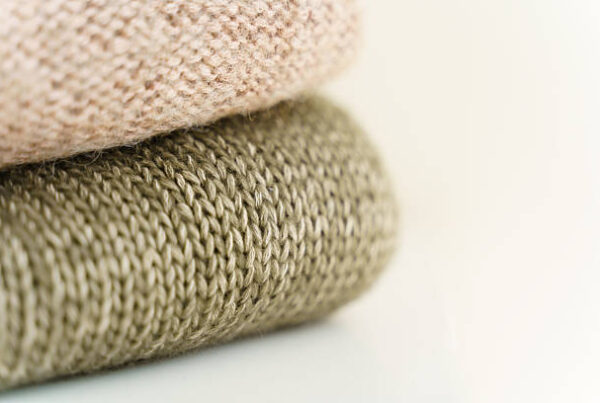
Furthermore, the gauge dictates the thickness of the finished fabric. Lower numbers create heavy textures. Meanwhile, higher numbers produce silky, lightweight surfaces. Thus, the gauge directly impacts the seasonal use of the clothing.
7G: The Bold and Cozy Choice
First, we have the 7G “Coarse Gauge.” This setting uses thick needles and heavy yarns. It creates a chunky, artisanal look that everyone loves in winter.
- Feel: Thick, heavy, and extremely warm.
- Best Use: Winter cardigans, oversized sweaters, and outdoor coats.
- Advantage: It provides excellent insulation against the cold.
Because 7G pieces have visible stitch patterns, they offer a rugged, high-end aesthetic.
12G: The All-Season Professional
Next, we move to 12G. This is the “Universal Gauge” of the fashion industry. It strikes a perfect balance between weight and warmth.
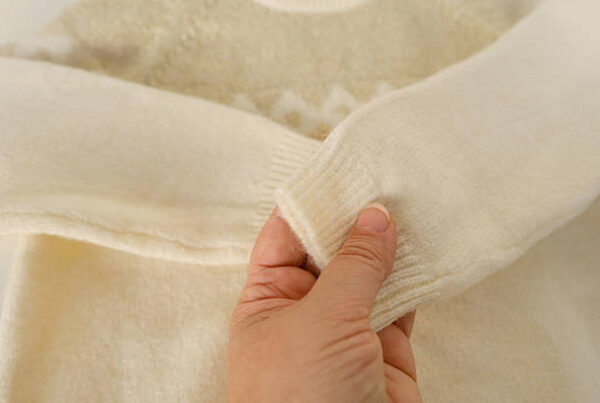
Most autumn and spring sweaters use this density. It is thin enough to layer under a jacket. However, it remains thick enough to hide an undershirt. Therefore, 12G is the most versatile choice for year-round brand collections.
16G & 18G: The “Fine Gauge” Luxury
Finally, we enter the world of ultra-fine knitting. 16G and 18G machines use incredibly thin needles.
These gauges create garments that feel like a second skin.
- 16G: Ideal for lightweight premium polo shirts and sophisticated cardigans.
- 18G: Perfect for summer knits and breathable base layers.
Because the weave is so tight, the fabric looks smooth and elegant. Furthermore, these fine gauges offer superior breathability for warmer climates. They represent the peak of technical knitting precision.
How Thickness Meets Breathability
Always remember that density changes everything. A 7G sweater traps air to keep you warm. Conversely, an 18-G knit allows air to flow through the fibers easily.
Therefore, you must match the knitwear gauge to your target environment. If you want luxury, go ahead. If you want protection, go coarse. Thus, the right “G” ensures your customers stay comfortable in any weather.
Advice for Apparel Sourcing Managers
Do not ignore the technical specs of your knitwear. The gauge defines the soul of the product.
When you plan your next collection, consider the season first. Then, select the gauge that reflects your brand’s quality standards. Great fashion starts with the right needle count. We help you navigate these choices to create perfect results every time.