Fashion apparel brands and streetwear designers must choose their raw materials carefully before launching a luxury winter apparel line. Selecting an incompatible yarn variety can ruin your intricate artwork profiles and lower your retail profit margins significantly. Therefore, fashion procurement teams must analyze how different fibers alter their final product quality and texture.
Developing a high-margin jacquard knit sweater requires a deep understanding of textile material physics. Your chosen yarn fiber dictates the overall structural weight, pattern crispness, and long-term durability of the finished garment. This technical sourcing guide compares premium cotton and wool yarn selections to help you optimize your wholesale manufacturing strategy.
1. The Premium Fiber Comparison Matrix: Evaluating Sourcing Yarns
Different raw materials alter your factory knitting machine setup times, yarn tension levels, and wholesale apparel budgets. Use this detailed technical matrix to compare the most popular custom apparel yarns side by side:
| Premium Yarn Variety | Hand-Feel and Texture Profile | Structural Durability Index | Visual Jacquard Pattern Definition | Recommended Commercial Application |
| Pure Cotton Yarn | Breathable, crisp, and smooth | Highly dependable and strong | Standard clarity with minimal fuzz | Transitional spring apparel, basic styles |
| Organic Cotton | Ultra-soft, natural, and eco-safe | Highly dependable and strong | Standard clarity with minimal fuzz | Sustainable apparel lines, eco brands |
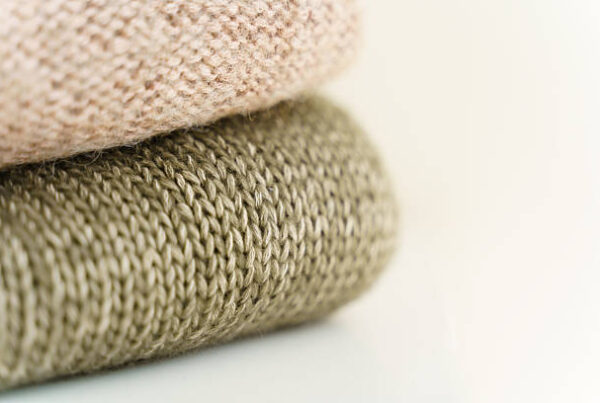
| Merino Wool | Superfine, smooth, and non-scratchy | Exceptionally resilient | High-definition 3D pattern depth | Premium all-season lines, luxury wear |
| Cotton-Cashmere Blend | Smooth feel with premium warmth | Balanced and dependable | Soft, blended edge definition | Affordable luxury ranges, smart-casual |
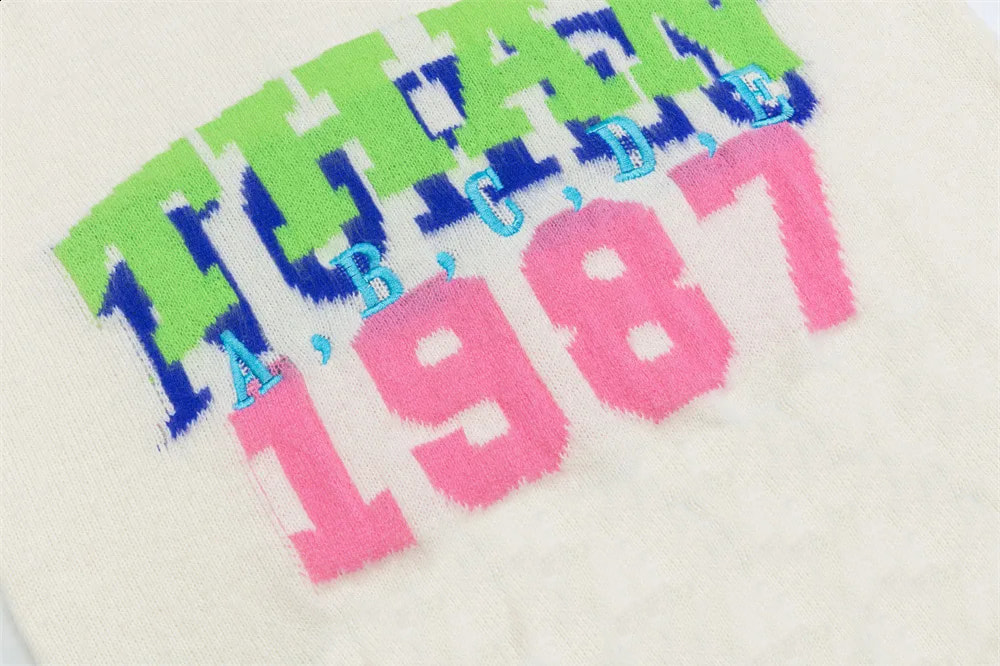
| Pure Cashmere Blend | Extremely soft, ultra-luxurious | Balanced and dependable | Rich, brushed tactile appearance | High-end gift capsules, elite collections |
2. Technical Yarn Requirements for Complex Jacquard Knitting Processes
Executing multi-color artwork patterns requires strong, high-purity textile fibers that can withstand immense machine mechanical stress.
 Premium Strong Yarn:   [High Tensile Uniformity] ──> Flawless High-Speed Knitting ──> ♻️ Sharp Pattern Definition
 Weak Non-Uniform Yarn: [Thick and Thin Defects]  ──> Sudden Thread Breakage      ──> ❌ Ruined Trailing Edges
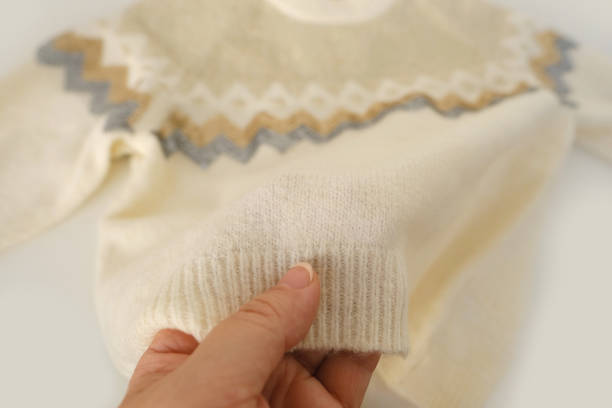
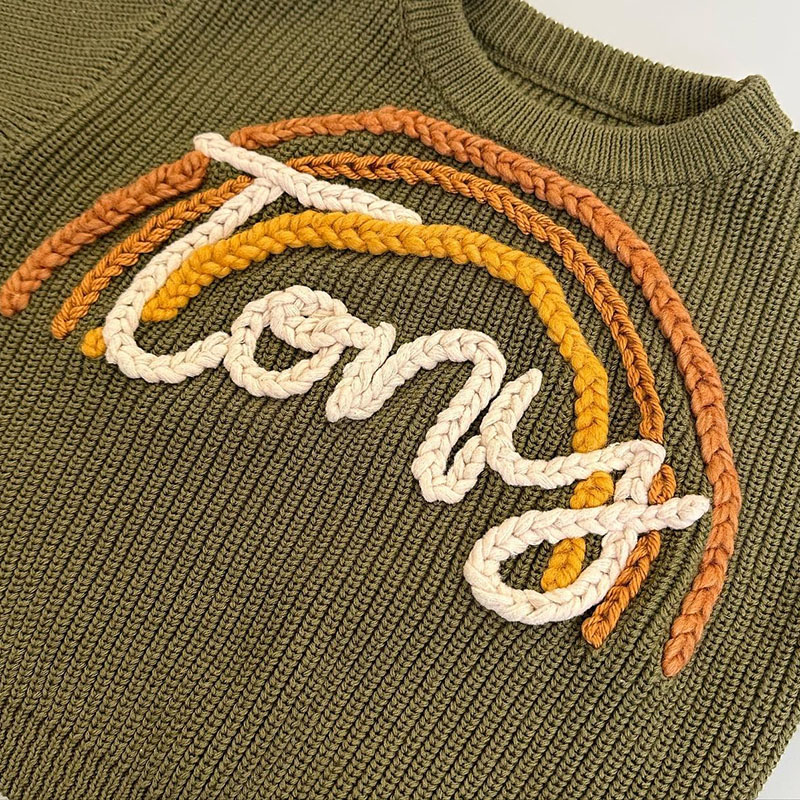
A complex jacquard knit sweater blueprint demands excellent yarn uniformity and high tensile strength from your textile supplier. If your raw yarn suffers from inconsistent thickness defects, the thread will snap during high-speed production runs. These sudden thread breaks create loose loops and holes at color transition boundaries, destroying your graphic pattern precision.
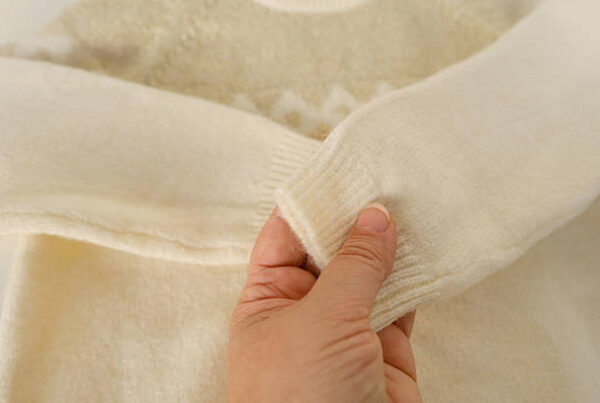
Furthermore, the natural springiness of merino wool fibers helps the knit stitches retain their shape perfectly after washing. This inherent elasticity keeps your custom artwork flat and crisp, preventing the fabric from sagging or warping over time.
3. Material Architecture: Cotton vs. Merino Wool Performance
The physical differences between these two common garment fibers dictate which seasonal market your new collection will fit best.
                  Primary Textile Selection Trait Vectors:
   ┌──────────────────────────────────────────────────────────────────┐
   │ Cotton Yarn: Delivers flat, breathable drapes for spring wear.   │
   ├──────────────────────────────────────────────────────────────────┤
   │ Merino Wool: Traps air inside crimped fibers for winter warmth.  │
   └──────────────────────────────────────────────────────────────────┘
Cotton fibers feature a flat, smooth cellular structure that does not trap static electricity or insulate body heat excessively. This physical trait makes cotton ideal for lightweight autumn activewear or casual spring graphic pullovers.
Conversely, merino wool possesses a natural wavy fiber crimp that creates millions of tiny microscopic insulating air pockets. These air gaps trap body heat efficiently while letting skin moisture escape, providing elite thermal comfort during freezing winter months.
4. Strategic Sourcing Logic: Aligning Yarn Choice with Brand Position
Streetwear apparel labels that want to charge premium retail prices must avoid basic, low-grade commodity fabrics.
 Entry-Level Casuals ──> Standard Pure Cotton  ──> Low Production Cost  ──> ❌ Generic Market Appeal
 High-End Streetwear  ──> Luxury Merino Blends ──> Elite Quality Finish ──> ♻️ Elevates Brand Premium
If your clothing company targets the high-end luxury streetwear market, you must deliver a superior tactile experience. While pure cotton works well for basic garments, it can feel stiff and heavy when knitted into thick multi-color panels.
Upgrading your jacquard knit sweater line to merino wool or cotton-cashmere blends adds an undeniable premium heft and softness. These luxury materials elevate the perceived retail value of your collection instantly, allowing you to secure much higher wholesale profit margins.
Conclusion: Elevate Your Next Apparel Collection Launch
Building a successful, highly profitable fashion brand requires choosing premium yarn components that look gorgeous and endure daily wear.
Stop risking your fashion brand identity on cheap, fragile yarns that warp in the wash and display blurry graphic patterns. Upgrading your upcoming seasonal catalog to our jacquard knit sweater production options guarantees pristine pattern accuracy and elite comfort. We source every yarn batch to meet strict international textile standards, ensuring consistent color fastness across all your custom collections.