
Vintage wash sweaters can vary slightly in shade from one wash batch to another. Two pieces in the same color may look a little lighter or darker side by side, but they should still look like the same color and have a similar amount of fading. Before bulk production, approve a finished sweater and agree how much variation you can accept. That gives you and the factory something concrete to compare against.
Why Can the Same Sweater Look Slightly Different After Washing?
The wash gives the sweater its faded look. How much the color changes depends on the yarn, how the sweater is knitted, and how the wash is done. The rib at the cuffs or hem can look different from the body, especially on a style with a more pronounced wash. Even when the factory uses the same process, the next batch can come out a little lighter or darker.
Take a washed black sweater. You might see a slightly deeper charcoal in one batch and a slightly lighter charcoal in another. If both are close to the sample you approved, that may be fine. If one batch looks noticeably brown next to the other, or the fading is much stronger than you agreed, ask the factory to review it. The wash explains why some variation occurs. The approved samples tell you how much is acceptable for your order.
What Should You Approve on the First Sample?
If you have a reference photo, point out what you like about it. You might want a soft fade across the whole sweater, or more visible fading around the cuffs and hem. If you have a physical reference, send it when possible. A photo can show the kind of wash you want, but lighting and screen settings make it hard to judge the exact shade.
Approve the finished sweater for both the overall color and the amount of fading. Lay it flat and look at the front and back in the same light. Then look closer at the cuffs, hem and seams. A sweater can be the right shade overall and still have stronger fading in those areas than you wanted.
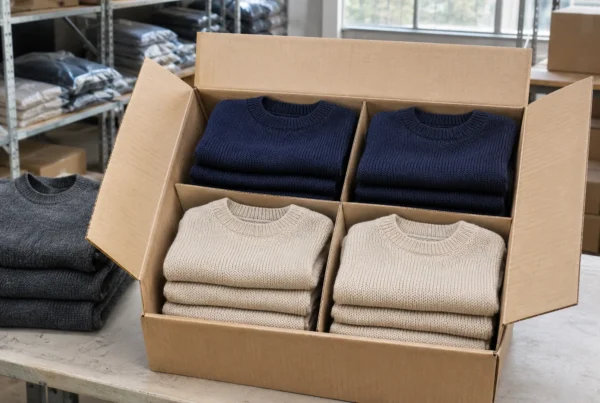
If shade consistency matters to your order, ask the factory whether it can show you lighter and darker examples of the finish. Mark the target sample and agree which examples represent the limits you can accept. That is easier to check later than a note saying “slight color difference is okay.” If you are ordering several colors, review each color separately. The black sample only shows how that finish looks on black.
How Do You Check Color Across Bulk Wash Batches?
Ask when you can review pieces from the first bulk wash, especially if the order will be washed in several batches. Compare them side by side with the approved sample under the same lighting. Look at the overall shade first, then check whether the fading is in the right areas and about as strong as agreed.

If a batch looks too light, too dark or patchy in a way you did not approve, describe what you see and point to the reference. For example, “The body is much lighter than the sample, and the cuffs have lost most of their contrast.” That gives the factory a clearer starting point than “the color is wrong.” Ask which batch is affected and agree what happens to those pieces before they are packed.
If two pieces are sold as a set, check them together. You may be happy with a small difference between sweaters sold individually but want a closer match between a cardigan and the skirt packed with it.
What Else Should You Check on the Washed Sample?
Check how the finished sweater feels and fits. Measure the body length, chest and sleeves after the production wash and drying. If the sample feels firmer than you expected or the body has come up shorter, raise it before you approve the sample. It is easier to discuss these points when you can compare the finished garment with the agreed measurements and reference.
Also confirm how customers should wash and dry the sweater at home. If you need to know how the color, measurements or shape will look after home washing, ask to review a separate sample after the planned care cycle. See our guide to sweater shrinkage testing for what to record.
What Should You Send for a Reorder?
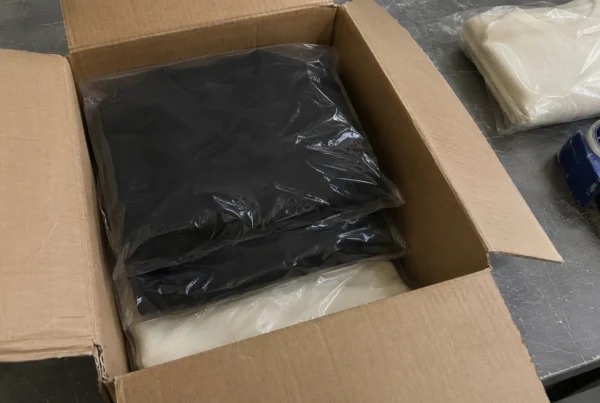
Send the original order number, the approved wash reference and, if you have one, a retained sweater from the previous bulk order. Tell the factory if the new stock will be sold alongside the old stock or used to complete matching sets. A small difference can be more noticeable when the two batches are displayed together.
Ask to compare a new washed piece with the previous reference before the full reorder is washed. The retained sweater helps the factory see how close the reorder needs to be. If the new result looks different, you can decide whether it still fits the range you agreed for that color.
Vintage Wash Sweater FAQs
Can every sweater in a vintage wash order be exactly the same color?
You can ask for a close match across the order. A slight difference in shade or fading can still occur, especially across separate wash batches. Agree on a finished reference and the amount of variation you will accept before bulk production.
Is a Pantone code enough to approve a vintage wash?
Use a Pantone code to communicate the target shade. Approve a finished sweater to confirm how light or dark the color looks after washing and where the fading appears. You can find more on color references in our knitwear color approval guide.
Does washing everything in one batch mean all the pieces will match?
Washing together can help avoid some differences between batches, but pieces can still vary within the same batch. Ask the factory what is practical for your order and compare finished pieces with the approved reference.
What should I send if I want a quote for a vintage wash sweater?
Send your reference photos or a physical sample, the colors you want, and your estimated quantities. Mention whether you want a soft fade or a stronger washed look. If matching a previous order or a second piece is important, include that detail when you request a quote.