Knitting Machine Gauge Explained: How to Choose the Right GG for Sweater Production
In knitwear manufacturing, knitting machine gauge is often treated as an aesthetic choice between chunky sweaters and fine-gauge knitwear. For professional apparel sourcing, however, gauge selection is a fundamental engineering decision that affects yarn compatibility, fabric structure, garment weight, production efficiency, and unit cost.
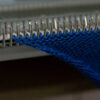
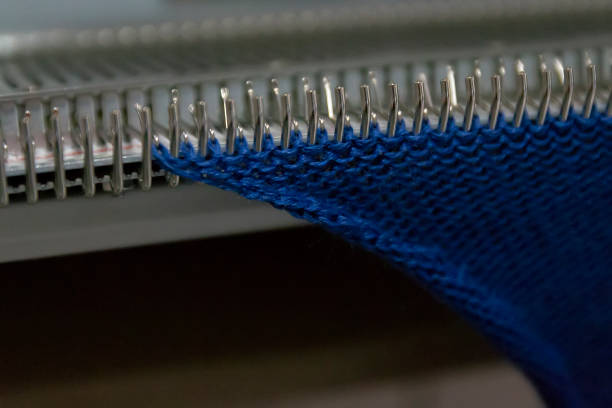
Knitting machine gauge, commonly expressed as GG, describes the needle spacing on a knitting machine. On standard flat knitting machines, a higher gauge generally means more needles per inch and a finer potential stitch structure. A lower gauge provides more space for thicker yarns and bulkier knit constructions.
Choosing the wrong gauge during product development can create costly problems. Thick yarn may exceed the available needle and latch clearance on a fine-gauge machine, causing needle damage, yarn breakage, or fabric defects. Conversely, a yarn that is too fine for a coarse-gauge setup may produce loose loops, poor coverage, and an unstable garment.
For fashion brands, apparel importers, and private-label buyers, understanding the relationship between knitting machine gauge, yarn count, and fabric construction is essential before finalizing a technical pack.
At HDL, we help apparel brands evaluate knitwear specifications and align yarn selection, machine gauge, and garment requirements before bulk production.
1. What Is Knitting Machine Gauge (GG)?
Knitting machine gauge refers to the number of needles arranged within a defined length of the needle bed. In common flat knitting machine specifications, GG is typically used to indicate the number of needles per inch.
For example, a 12GG machine generally has more closely spaced needles than a 7GG machine. This tighter needle spacing supports finer yarns and finer stitch structures, while lower-gauge machines are generally more suitable for bulky yarns and chunky knitwear.
However, gauge alone does not determine the final thickness or weight of a sweater. Yarn count, yarn ply, stitch length, knitting structure, garment dimensions, and finishing treatments also affect the result.
Knitting Machine Gauge and Yarn Selection Matrix
| Machine gauge | Typical knitwear application | Indicative yarn count range | Illustrative garment weight |
|---|---|---|---|
| 3GG–5GG coarse gauge | Chunky sweaters, heavy cardigans, deep-winter knitwear | 2/3 Nm–2/7 Nm | Approximately 400–850 g or more |
| 7GG–9GG mid gauge | Classic sweaters, fall/winter knitwear, medium-weight cardigans | 2/14 Nm–2/28 Nm | Approximately 280–450 g |
| 12GG–14GG fine gauge | Fine crewnecks, lightweight sweaters, office layering pieces | 2/28 Nm–2/48 Nm | Approximately 180–260 g |
| 16GG–18GG ultra-fine gauge | Fine polo shirts, lightweight baselayers, luxury fine knits | 2/48 Nm–2/80 Nm | Approximately 120–170 g |
2. How Different Knitting Machine Gauges Affect Sweater Production
3GG–5GG: Coarse Gauge for Chunky Knitwear
Coarse-gauge knitting machines provide wider spacing between needles, making them suitable for many bulky yarns and textured knit constructions.
Common applications include oversized winter sweaters, chunky cardigans, heavy pullovers, and statement knitwear. These products often use thicker yarns to achieve a substantial hand feel, visible stitch definition, and greater fabric bulk.
From a sourcing perspective, coarse-gauge knitwear can consume more yarn per garment because of its thicker construction. Buyers should evaluate material consumption, garment weight, yarn availability, and shipping costs together.
7GG–9GG: Mid Gauge for Versatile Fall and Winter Collections
Mid-gauge knitting machines offer a practical balance between fabric bulk and everyday wearability. They are widely suitable for medium-weight sweaters, classic crewnecks, cardigans, and other fall/winter apparel.
A 7GG or 9GG construction can support a range of yarn combinations and stitch patterns, depending on the equipment and yarn specifications. For buyers developing commercial knitwear collections, this gauge range can offer flexibility across different silhouettes and seasonal product lines.
However, the final weight and drape still depend on yarn count, ply, stitch length, and fabric structure. A gauge number alone cannot guarantee a specific garment weight.
12GG–14GG: Fine Gauge for Lightweight Sweaters
Fine-gauge machines use more closely spaced needles and generally work with finer yarns. They are suitable for lightweight crewneck sweaters, refined cardigans, office layering pieces, and fine merino or cashmere knitwear.
Compared with chunky constructions, fine-gauge garments can offer a smoother surface, lighter feel, and more compact visual appearance. They may also require more precise yarn preparation, stitch programming, and machine control.
For brands targeting lightweight premium knitwear, specifying gauge together with yarn count, ply, stitch density, and finished garment measurements helps manufacturers reproduce the intended fabric.
16GG–18GG: Ultra-Fine Gauge for Lightweight Knitwear
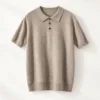
Ultra-fine-gauge machines support delicate knit structures used in fine polo shirts, lightweight baselayers, and selected luxury knitwear applications.
These constructions can require finer yarns, careful tension control, and more demanding quality checks. Buyers should confirm that the factory’s equipment, yarn supply, and sampling process can support the intended design before committing to bulk production.
3. Why Gauge Selection Must Be Confirmed in Your Knitwear Tech Pack
One common product-development mistake is specifying a target garment weight without defining the intended gauge and yarn construction.
For example, a buyer may request a heavy sweater while specifying a fine-gauge machine and a thick, bulky yarn. If the yarn exceeds the machine’s practical feeding and needle-clearance limits, the factory may encounter broken needles, yarn breakage, or irregular stitches.
The opposite problem can occur when a fine yarn is used on a coarse-gauge machine without an appropriate construction plan. The resulting fabric may have inadequate coverage, loose loops, excessive transparency, or poor dimensional stability.
To reduce these risks, your knitwear technical pack should include the following information:
- Machine gauge: Specify the intended GG range or approved machine gauge.
- Yarn composition: Define fiber content, such as cotton, merino wool, cashmere, or blended fibers.
- Yarn count and ply: Record the yarn-count system, count, and number of ends used.
- Knit structure: Identify the required construction, such as jersey, rib, cardigan, or Milano.
- Target garment weight: Provide the target weight and acceptable tolerance for the specified size.
- Finished measurements: Define chest width, body length, sleeve length, and other critical dimensions.
- Stitch density and tension: Establish sample-approved construction settings where appropriate.
- Finishing requirements: Specify washing, blocking, pressing, and dimensional stability expectations.
The factory should validate these specifications through sample knitting and measurement checks before bulk production.
4. Comparison Matrix: How Gauge Affects Knitwear Sourcing Decisions
Gauge selection influences multiple production parameters, but the effect varies with the complete garment specification.
| Sourcing and engineering factors | Coarse gauge: 3GG–5GG | Mid gauge: 7GG–9GG | Fine gauge: 12GG–14GG | Ultra-fine gauge: 16GG–18GG |
|---|---|---|---|---|
| Typical product category | Chunky winter knits | Core fall/winter sweaters | Lightweight layering pieces | Fine summer knits and baselayers |
| Yarn requirement | Generally bulkier yarns | Medium yarns, depending on construction | Generally finer yarns | Very fine yarns |
| Fabric appearance | Bold, textured, chunky | Balanced stitch definition | Smooth and refined | Fine, delicate surface |
| Garment weight | Often heavier | Medium to heavy, depending on design | Often lightweight | Often very lightweight |
| Material consumption | Often higher per garment | Depends on size and construction | Often lower per garment | Often lower by weight, but yarn cost can be high |
| Production considerations | Bulk handling and stitch clearance | Versatile programming and yarn matching | Precise yarn and stitch control | Fine-yarn handling and tighter process control |
| Key sourcing priority | Yarn compatibility and target bulk | Balance of weight, warmth, and cost | Drape, density, and lightweight comfort | Fine stitch quality and dimensional control |
What About Knitting Time and Manufacturing Cost?
A higher gauge does not automatically mean faster or slower production. Knitting time depends on machine speed, stitch count, garment dimensions, knitting structure, shaping complexity, yarn characteristics, and machine programming.
Likewise, the lowest-weight garment is not always the lowest-cost option. Fine yarns may cost more per kilogram, while bulky garments generally consume more yarn by weight. Sampling, finishing, labor, defect rates, and production efficiency also affect the final unit price.
For accurate quotations, buyers should compare complete specifications rather than using gauge as the sole cost indicator.
5. Technical FAQ: Knitting Machine Gauge and Garment Performance
Q1: How much heavier is a 7GG sweater than a 12GG sweater?
There is no universal weight ratio between 7GG and 12GG sweaters. For a comparable silhouette and size, a 7GG sweater may weigh substantially more than a 12GG version when the coarser construction uses thicker yarns and a heavier fabric structure.
As an illustrative development range, a men’s medium fine-gauge crewneck may weigh approximately 180–240 g, while a mid-gauge version may weigh around 380–480 g. These figures are examples, not guaranteed outcomes.
For a meaningful comparison, keep the garment measurements, yarn composition, knit structure, finishing process, and measurement method consistent. Request sample weights from the factory before confirming the target.
Q2: Why do two sweaters labeled 12GG feel different in thickness and drape?
The 12GG label describes machine gauge, not the complete fabric specification. Two factories can produce noticeably different results using the same nominal gauge.
Three factors are particularly important:
Stitch length and tension: Shorter stitch lengths generally create a tighter fabric, while longer stitch lengths may produce a more open construction. The actual result depends on the yarn and knit structure.
Yarn count and ply: A single end of yarn and multiple ends fed together can produce different fabric thicknesses and weights. The exact result depends on the yarn count and feeding setup.
Knit structure and finishing: Jersey, rib, cardigan, and Milano structures differ in thickness, elasticity, and drape. Washing, blocking, and pressing can further change the finished fabric.
To reduce sample variation, include yarn specifications, knit structure, target measurements, and approved sample references in your technical pack.
Q3: Does a higher gauge make a sweater more resistant to sagging?
Not automatically. Gauge affects the scale of the stitch structure, but long-term dimensional stability depends on several interacting factors.
- Yarn twist and recovery: Yarn construction influences how the fabric responds to stretching and repeated wear.
- Fiber properties: Wool, cotton, cashmere, synthetics, and blended fibers behave differently under load and after washing.
- Knit structure: Rib and Milano constructions can behave differently from basic jersey fabrics.
- Fabric density: Stitch length and knitting tension influence fabric compactness and recovery.
- Finishing and care: Washing, drying, and blocking can affect the final dimensions.
For products where shape retention is critical, evaluate finished samples through appropriate washing and dimensional stability tests rather than relying on gauge alone.
Q4: Can a factory change the yarn while keeping the same machine gauge?
Sometimes, but yarn substitutions must be evaluated against the machine’s operating limits and the required fabric properties. A yarn with a different count, ply, composition, or surface texture can alter stitch formation, fabric weight, and drape.
Ask the factory to assess the proposed yarn on the intended machine and produce a revised sample before approving the substitution for bulk production.
Q5: What should buyers confirm before approving a bulk knitwear order?
Before production, confirm the machine gauge, yarn composition and count, yarn ply, knit structure, finished measurements, target weight, finishing process, and acceptable quality tolerances.
Approve a production-representative sample and agree on how garment weight, measurements, appearance, and dimensional stability will be checked. These controls help reduce discrepancies between the development sample and bulk delivery.
6. How HDL Supports Custom OEM and ODM Knitwear Manufacturing
Selecting the correct knitting machine gauge is an important first step in achieving the intended garment weight, appearance, and performance. Consistent results also require coordination between yarn sourcing, machine capability, knit programming, sampling, and finishing.
HDL supports global fashion brands, department stores, apparel importers, and private-label businesses with custom OEM and ODM knitwear development.
Gauge and Machine Capability Matching
Our knitting development process considers the target design, yarn characteristics, fabric structure, and available machinery. Equipment capabilities and suitable gauge ranges are confirmed against each project’s requirements.
Yarn Sourcing and Fiber Blending
We support yarn selection for knitwear projects using materials such as combed cotton, merino wool, cashmere, recycled polyester, and selected elastane blends, subject to project availability and specification.
Tech Pack Review and Sample Development
From yarn-count selection to gauge matching and sample review, our team helps identify specification gaps before bulk production. Sample evaluations can include garment weight, finished measurements, fabric appearance, and dimensional stability after washing.
Quality Control Before Bulk Production
Clear technical specifications and approved samples help align production expectations. Quality checks can be tailored to the garment type and project requirements, helping buyers manage consistency across production runs.
Conclusion: Specify Gauge, Yarn, and Fabric Construction Together
Knitting machine gauge is more than an aesthetic choice. It defines an important boundary for yarn compatibility and stitch formation, while yarn count, ply, knit structure, and finishing determine how the final garment looks, feels, and performs.
Coarse gauges are commonly used for chunky knitwear, mid gauges support versatile fall/winter collections, and fine or ultra-fine gauges are suitable for many lightweight knitwear applications. However, garment weight, production time, and unit cost must always be validated against the complete specification.
Before issuing your final knitwear tech pack, confirm the intended gauge, yarn construction, stitch structure, target garment weight, and dimensional requirements with your manufacturer.
Partner with HDL for custom knitwear development. Contact our team to discuss your design, review your technical pack, request yarn options, and develop samples for your OEM or ODM knitwear project.