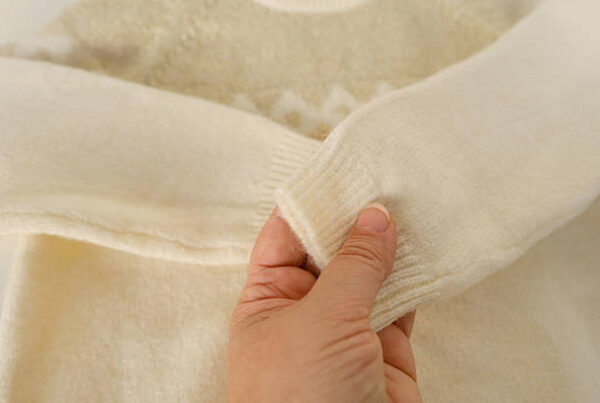
Rib knit dresses are a staple in modern fashion collections, praised for their body-contouring fit, exceptional crosswise elasticity, and figure-flattering silhouette. However, fashion brands, apparel buyers, and consumers frequently encounter a frustrating issue: Why do rib knit dresses get longer, bag out, or lose their shape after just a few washes? Is it a fabric flaw or a manufacturing defect?
Understanding the structural mechanics of rib knit dress elasticity—from loop geometry and yarn selection to heat-setting finishing techniques—is essential for fashion brands looking to deliver long-lasting, high-quality knitwear that maintains its shape wash after wash.
The Physics of Rib Knit Structure: High Stretch vs. Longitudinal Deformation
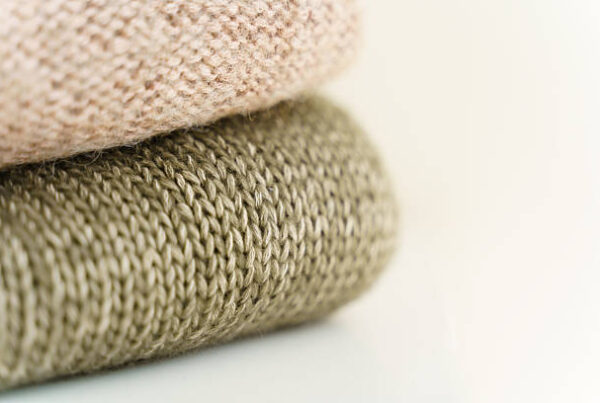
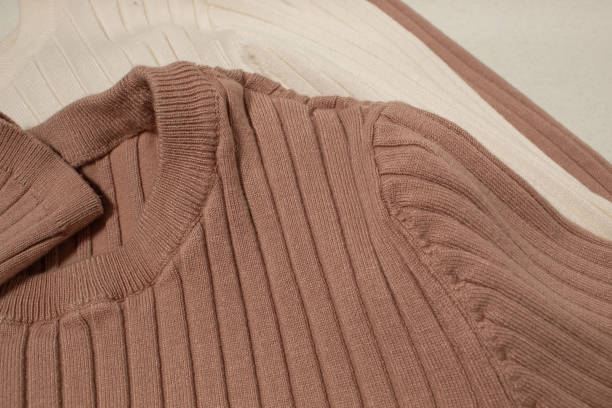
To understand why a rib knit dress stretches vertically, one must look at the loop structure of alternating face and back wales (such as 1×1 or 2×2 ribbing).
| Rib Knit Deformation Factor | Mechanical Change | Cause During Wear/Washing | Impact on Garment Shape |
|---|---|---|---|
| Crosswise Tension (Horizontal Stress) | Loop width expands horizontally | Repeated stretching during body movement, wearing, and washing cycles increases lateral tension on knitted loops | Fabric becomes wider and loses its original dimensional balance |
| Loop Height Compression | Vertical loop structure becomes shorter | Water absorption, gravity load, and wet processing compress the knitted loop height | Knit structure becomes tighter vertically and reduces fabric recovery |
| Longitudinal Elongation (Vertical Stretch) | Garment length increases while width decreases | Combined effect of loop width expansion and vertical loop compression after washing | Dress becomes longer, narrower, and may lose its intended silhouette |
| Rib Knit Recovery Failure | Reduced elastic return after repeated deformation | Low-quality yarn elasticity or insufficient knit density prevents loops from returning to their original position | Garment develops permanent stretching, sagging, and shape distortion |
Rib Knit Deformation Process Overview
| Stage | Structural Change | Result |
|---|---|---|
| Initial Wear Stress | Crosswise tension stretches knitted loops | Loop width gradually increases |
| Wet Washing Condition | Water and gravity affect loop structure | Loop height compresses and fabric relaxes |
| Drying Process | Uneven recovery occurs between horizontal and vertical directions | Knit fabric elongates vertically |
| Final Garment Condition | Dimensional imbalance remains after repeated cycles | Dress becomes longer, narrower, and loses original fit |
1. The Inter-Loop Transfer Effect
Rib structures feature alternate face and back loops, giving them greater transverse (horizontal) stretch than single jersey fabrics. However, when the fabric is pulled horizontally, yarn transfers from the vertical loop legs into the horizontal bars. When washed and hung to dry, the wet weight of the water acts alongside gravity, pulling these narrowed loops downward and causing the dress to stretch vertically.
2. Loose Density and Inappropriate Yarn Counts
If a brand prioritizes an overly soft hand-feel at the expense of stitch density, the loops become too large and loose. Loose rib structures lack the internal spring tension needed to snap back to their original dimensions, making them highly vulnerable to permanent sagging and neckband stretching.
Fabric Finishing and Dimensional Heat-Setting Controls
Even the best yarn can deform if the fabric finishing process lacks precision. Preventing vertical growth requires strict control over stenter setting and pre-shrinkage treatments.
       ESSENTIAL FINISHING PROCESS FOR DIMENSIONAL STABILITY

  [ Raw Rib Knit Fabric ]
             │
  ├── Stage 1: Overfeed Mercerizing / Wash (Relieves knitting tension)
  ├── Stage 2: Precision Stenter Heat-Setting (Locks yarn crimp memory)
  └── Stage 3: Compacting & Preshrinking (Achieves stable washing shrinkage)
1. Heat-Setting Temperature and Dwell Time
Synthetic blend yarns (such as cotton-spandex or viscose-polyester) require exact heat-setting temperatures during the stenter process. Proper thermal setting locks the spandex crimp memory, ensuring the fabric snaps back after stretching. Undersetting leaves residual tension in the fiber, which causes dramatic dimensional changes during the first home laundry cycle.
2. Pre-Shrinkage and Shrinkage Test Reports
Professional apparel buyers should always mandate a washing dimensional stability test report (e.g., ISO 6330 / AATCC 135) before mass production. A qualified supplier will test both machine-wash and flat-dry shrinkage rates to ensure total longitudinal variation stays within standard tolerance (typically within ±3% to ±5%).
Custom Construction Solutions for Durable Rib Apparel
Preventing rib knit deformation requires proactive garment engineering during the manufacturing phase rather than reactive fixes after production.
            HDL HIGH-STABILITY KNITWEAR CONSTRUCTION

  [ High-Gauge Rib Knitting Machine Setup ]
                     │
  ├── High-Resilience Elastane Plating (Reinforces loop recovery)
  ├── High-Density Rib Neckbands & Hems (Prevents sagging at key stress points)
  └── Anti-Stretch Shoulder Taping (Transfers garment weight away from rib loops)
By reinforcing high-stress areas—such as the neckline, armholes, and shoulder seams—with woven stay-tape or covered elastic binding, garment manufacturers prevent the natural weight of the dress from pulling the rib structure down while hanging.
Summary and Sourcing Guidelines for Brand Managers
Preventing rib knit dresses from stretching long and losing shape requires a balanced combination of high-density stitch engineering, proper yarn selection, and rigorous thermal heat-setting. Brands that invest in precise fabric density and reinforced garment construction deliver durable, high-value knitwear that preserves its original silhouette over time.
Premium Custom Knitwear Solutions from HDL
At HDL, we specialize in designing and manufacturing high-quality custom rib knit apparel for fashion brands, boutique labels, and global clothing distributors.
- Custom Rib Knit Expertise: Engineered with optimal stitch density and elastane plating to deliver superior rib knit dress elasticity and shape recovery without sacrificing soft hand-feel.
- Precision Heat-Setting & Shrinkage Control: All fabrics undergo advanced pre-shrinking and heat-setting finishing to guarantee strict dimensional stability and prevent post-wash lengthening.
- End-to-End OEM/ODM Manufacturing: From custom yarn sourcing and gauge selection to reinforced seam construction, HDL provides full turnkey custom knitwear solutions tailored to your brand’s quality standards.
Elevate your knitwear collection with garments built to retain their fit. Contact the apparel specialists at HDL today to start your custom development project!