The global premium knitwear market is undergoing a significant structural shift. As the “quiet luxury” aesthetic evolves into tactile, texture-focused craftsmanship, apparel brands, retailers, and private-label buyers are increasingly turning to high-end embroidered knitwear to elevate basic silhouettes.
According to 2026 fashion market intelligence, embroidery on knit base fabrics is no longer treated as a simple printed graphic alternative. Instead, it serves as an architectural design language—combining dimensional stitch work, premium fiber blends, and strategic placements to drive retail margins.
For apparel product managers and sourcing teams, understanding these technical design trends is essential for developing commercial best-sellers. Below is an analytical breakdown of the key design elements, material innovations, and sourcing considerations defining 2026 embroidered knitwear trends.
1. Why Fusion Craftsmanship Defines 2026 Luxury Sweater Embroidery Design
Integrating embroidery into flexible knit fabrics presents distinct technical challenges, particularly regarding tension control, fabric puckering, and elasticity retention. Leading luxury brands are resolving these challenges through advanced structural fusion:
Textured Base Fabrics Meets Dimensional Embroidery
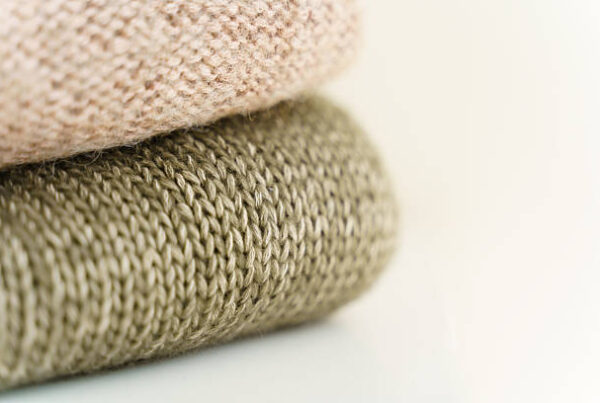
Rather than applying standard flat embroidery to plain jersey knits, 2026 collections blend intricate embroidery with rich, tactile base structures.
- Mohair & Brushed Alpaca Halo: High-end lines pair raised embroidery with brushed, high-pile mohair or alpaca-blend bases. Micro-sequins or tonal metallic threads woven into the embroidery stitches catch light through the soft fiber halo, creating dynamic visual depth.
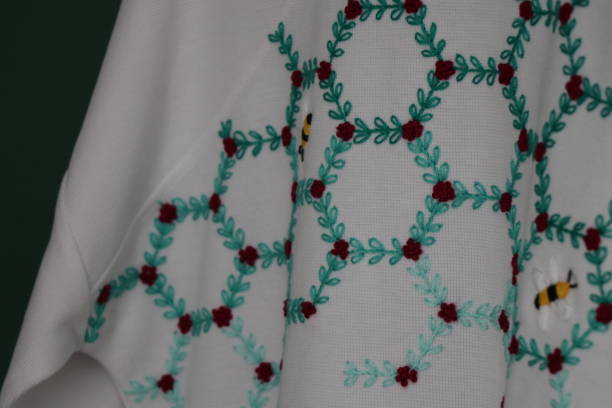
- Mesh & Open-Work Knits: Placing structural running stitches or stem-stitch embroidery along wool mesh and pointelle open-work knits creates a semi-sheer, veil-like effect without weighting down the garment.
Vertical & Structural Alignment
To maintain the natural stretch and drape of knitted garments, embroidery digitizing now favors longitudinal and vertical stitch pathways. Linear botanical motifs, micro-ribbing overlays, and elongated geometric patterns move synchronously with the knit structure, preventing stiffening or seam distortion during wear.
2. How Minimalist & Logo Embroidery Maintain Commercial Longevity
While seasonal graphics fluctuate, logo and brand identity embroidery remain core revenue drivers for B2B brands and fashion retailers. However, consumer preference has shifted from loud, high-density chest patches to understated refinement.
Modern knitwear brands are moving toward refined embroidery techniques that enhance garment value without compromising the softness and structure of premium fabrics. The following embroidery approaches help designers create sophisticated details for Merino wool sweaters and luxury knitwear collections.
| Embroidery Style | Technical Execution | Recommended Application |
|---|---|---|
| Tonal Micro Logo Embroidery | Uses low-density, tone-on-tone stitching on fine-gauge Merino wool to create subtle branding details. | Suitable for premium sweaters, luxury golf knitwear, and minimalist fashion collections. |
| Architectural Placement Embroidery | Applies embroidery along cuffs, collar backs, or raglan seams instead of traditional chest locations. | Creates unique visual identities while maintaining a clean garment surface. |
| Mixed Media Embroidery | Combines satin stitching with 3D puff embroidery or metallic threads for dimensional effects. | Adds premium texture and decorative appeal to fashion-forward knitwear. |
| Longitudinal Embroidery Design | Aligns vertical running stitches with the natural rib direction of knitted fabrics. | Enhances the garment structure while maintaining knit flexibility. |
Key Considerations for Embroidering on Merino Wool Knitwear
Fine-gauge Merino wool requires specialized embroidery techniques to avoid fabric distortion. Low-density stitching helps prevent excessive tension on delicate yarn structures, while carefully selected thread types maintain softness and comfort.
For premium knitwear collections, brands should consider embroidery placement, stitch density, and fabric elasticity during product development. These factors ensure that decorative elements enhance the garment appearance while preserving long-term wear performance.
- Pure Merino Base + Tonal Micro-Embroidery: Utilizing fine-gauge Extra-Fine Merino wool paired with tone-on-tone (monochromatic) embroidery delivers subtle brand recognition. This approach preserves the garment’s everyday wearability while signaling luxury through material quality rather than overt branding.
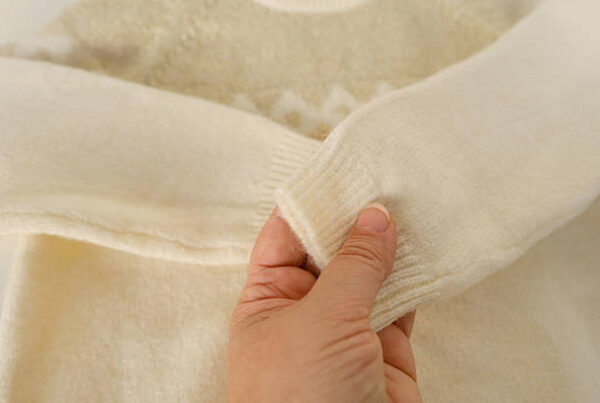
- Strategic Off-Center Placement: Market ordering data indicates that non-traditional logo placements—such as lower ribbing, back-of-collar, sleeve cuffs, and shoulder seams—are outpacing traditional left-chest logo placements in contemporary knitwear lines.
3. Comparison: Traditional Flat Embroidery vs. Next-Gen 3D & Gradient Techniques
To stay competitive, fashion buyers must evaluate the technical capabilities and commercial trade-offs between legacy embroidery methods and modern dimensional techniques:
| Performance & Aesthetic Feature | Traditional Flat Embroidery | Next-Gen 3D & Gradient Knit Embroidery |
| Visual Texture & Depth | Flat, 2D appearance; dense satin fill | Multi-dimensional, 3D puff, and gradient thread fills |
| Garment Drape & Flexibility | Can create stiff patches on lightweight knits | Flexible underlay stitches preserving knit elasticity |
| Yarn & Fiber Compatibility | Limited to standard polyester/cotton thread | Mulberry silk, wool-blend, and recycled rPET threads |
| Tactile Consumer Appeal | Low to moderate tactile variation | High sensory appeal (halo contrast, metallic light-reflectance) |
| Primary Target Market | Entry-level corporate uniforms & promotional wear | Premium fashion brands, designer labels, luxury retail |
4. Procurement Considerations for Material Selection and Manufacturing
When sourcing custom embroidered knitwear at scale, product development teams must balance visual innovation with technical feasibility and wearer comfort:
- Yarn Blends and Softness: Base fabric selection directly impacts skin comfort. Combining fleece-grade Virgin Wool, Cashmere, and Mulberry Silk ensures the garment remains lightweight, breathable, and itch-free—even beneath embroidered sections.
- Backing and Interfacing Selection: High-density embroidery on soft knits requires specialized water-soluble or soft-touch cutaway backing materials to prevent interior skin irritation and eliminate fabric puckering after washing.
- Colorfastness and Thread Quality: Embroidery threads must match the washing or dry-cleaning requirements of the knit base. High-grade silk and color-matched synthetic threads prevent color bleeding during post-production garment washing.
Technical Summary
The 2026 embroidered knitwear fashion trends focus on the harmonious combination of elevated base fabrics, dimensional stitching techniques, and subtle, strategic brand placement. By moving away from heavy, flat graphics and toward soft, textured, and non-disruptive embroidery, apparel brands can deliver products that meet modern consumer demands for quality and longevity.
HDL specializes in custom knitwear design, computerized embroidery manufacturing, and OEM/ODM production for global fashion brands. Our engineering team provides end-to-end technical support from yarn selection to final garment finishing.