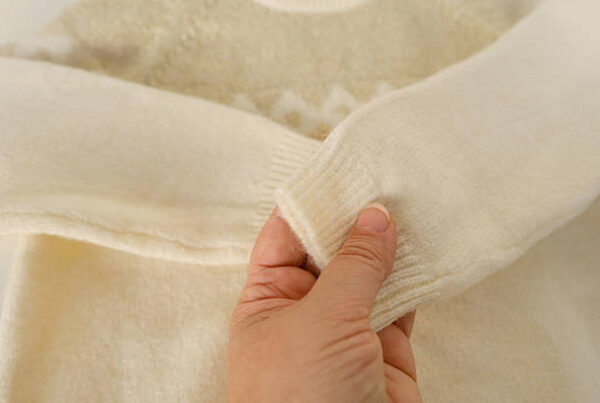
De-risking Material Sourcing in Knitwear Manufacturing
In the apparel supply chain, raw material selection is the single most critical factor determining product positioning, hand-feel, and landed product cost. For brand managers and sourcing executives developing seasonal collections, the phrase “cashmere is superior to wool” is a familiar sales pitch. However, translating that claim into measurable performance metrics and retail price justification requires a clear understanding of fiber physics and regulatory standards.
Misunderstanding fiber characteristics can lead to brand positioning mistakes—such as paying premium prices for coarse-grade fibers or falling prey to misleading market terminology like “sheep cashmere” or “modified cashmere.” Understanding the technical differences between caprine (goat) and ovine (sheep) fibers enables procurement teams to make data-driven material choices, protect product margins, and deliver authentic luxury quality to end consumers.
This guide systematically compares cashmere and sheep’s wool across key physical dimensions, clarifies global regulatory compliance standards, and answers core sourcing questions knitwear developers face.
1. Technical Specification Comparison: Cashmere vs. Sheep’s Wool
To establish clear engineering benchmarks during product development, compare the fundamental physical properties of these two natural fibers:
| Specification & Metric | Premium Cashmere (Capra Hircus) | Standard Fine Merino Wool (Ovis Aries) | Operational & Commercial Impact |
| Biological Origin | Undercoat fine fleece of Cashmere Goats | Protective outer fleece of Merino Sheep | Cashmere harvest is yield-limited (manual combing) |
| Fiber Diameter (Micron Count) | 14.0μm – 19.0μm (Grade A: ≤ 15.5μm) | 18.5 μm – 24.0 μm+ | Lower micron count yields softer hand-feel and zero skin prickle |
| Thermal Insulation Power | Up to 8 * warmer than standard wool | Baseline standard thermal retention | Cashmere delivers extreme warmth at a fraction of the weight |
| Fiber Weight & Density | Ultra-lightweight (≈ 20% weight of wool) | Medium to heavy fabric mass | Cashmere provides lightweight insulating comfort |
| Scale Geometry & Structure | Smooth, sparse, flat scale structure | Serrated, dense, raised scale structure | Cashmere scales reduce friction, creating a silky hand-feel |
| Tensile Strength & Durability | Moderate (Requires delicate care/proper gauge) | High (Superior resistance to abrasion) | Wool offers higher durability for heavy outerwear/daily wear |
| Yield per Animal / Year | ≈ 150 g – 200 g usable underdown | ≈ 3 kg – 5 kg sheared fleece | Rarity drives the raw material cost ratio (≈ 4:1 – 6:1) |
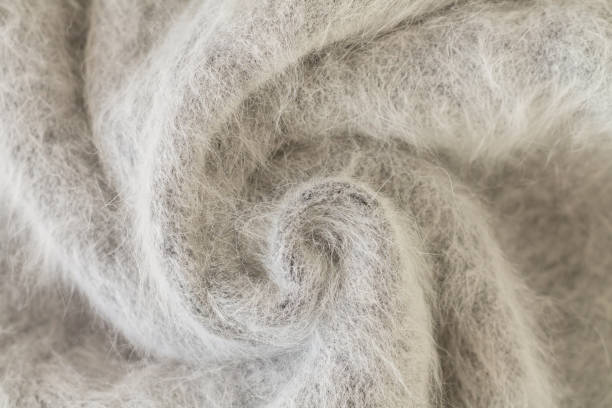
2. Regulatory Compliance & Avoiding Marketing Misdirection
When sourcing cashmere vs wool knitwear, procurement teams must navigate deceptive trade descriptions. Phrases such as “sheep cashmere,” “soft-touch cashmere wool,” or “modified cashmere” are often marketing buzzwords used to conceal synthetic additives or coarse wool blends.
National & International Labeling Standards
To protect your brand from regulatory penalties and customs holds, ensure your production orders strictly comply with international textile labeling regulations:
The 30% Threshold Rule: Under national and international standards (such as GB/T 29862 and FTC guidelines), a garment must contain a minimum of 30% pure cashmere to legally be designated as a “Cashmere Blend Knitwear” item.
Pure Cashmere Requirement (≥ 95\%): To label or market a garment as “100% Cashmere” or “Pure Cashmere,” the tested fiber content must reach ≥ 95\% cashmere, with the remaining 5\% reserved exclusively for non-intentional involuntary impurities or anti-static manufacturing fibers.
The “Sheep Cashmere” Fallacy: Physically and biologically, “sheep cashmere” does not exist. Cashmere comes solely from the secondary undercoat of cashmere goats (Capra hircus). Any supplier offering “sheep cashmere” is selling processed sheep’s wool or synthetic fiber blends.
3. Frequently Asked Sourcing Questions (B2B FAQ)
Q: Why is raw cashmere significantly more expensive than sheep’s wool?
The cost gap stems from extreme scarcity, labor-intensive harvesting, and low processing yields. A single cashmere goat produces only 150 to 200 grams of refined undercoat per year, collected through painstaking manual combing during the spring molting season. In contrast, a single Merino sheep yields 3 to 5 kilograms of wool annually via rapid mechanical shearing. Furthermore, raw cashmere requires extensive manual sorting and de-hairing to separate coarse guard hair from fine down, driving up raw material processing costs.
Q: How can procurement teams verify cashmere quality using technical specs?
Quality verification depends on three primary laboratory parameters:
Micron Count (Fiber Fineness): Grade A cashmere features a fiber diameter of ≤ 15.5 μm. Lower micron counts correlate directly with superior softness and premium pricing.
Mean Staple Length: Premium cashmere fiber lengths range from 34 mm to 42 mm. Longer fibers increase yarn strength, reduce pilling tendencies, and improve garment lifespan.
Coarse Hair Content: High-grade cashmere must have a coarse hair (> 30 μm) content below 0.5%. Excessive coarse hair creates a scratchy texture and weakens yarn consistency.
Q: What blend ratio best balances unit cost with luxurious hand-feel?
For commercial brands seeking to enter the premium luxury segment without incurring 100% pure cashmere material costs, a 90% Ultra-Fine Merino Wool / 10% Cashmere or 70% Ultra-Fine Wool / 30% Cashmere blend represents the sweet spot in textile engineering:
The 90/10 Blend: Significantly reduces raw material costs while leveraging cashmere to soften the crisp hand-feel of merino wool. Excellent for high-volume retail lines.
The 70/30 Blend: Meets regulatory thresholds for prominent cashmere marketing, delivering a soft, luxurious hand-feel, enhanced drape, and superior thermal insulation while maintaining the structural durability and shape retention of fine wool.
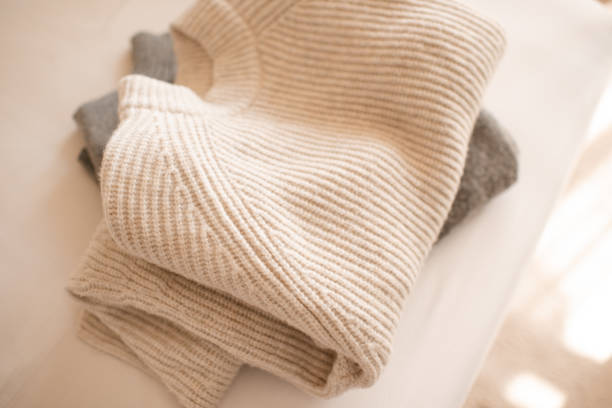
Key Takeaways for Sourcing Managers
Mastering material selection requires balancing physical fiber metrics with commercial target margins:
Evaluate Micron and Staple Metrics First: Do not rely on subjective touch alone; demand third-party lab reports verifying micron count (≤ 15.5 μm) and staple length (> 34 mm).
Match Fiber Profiles to Garment Utility: Use 100% pure cashmere for ultra-lightweight luxury sweaters, scarves, and innerwear; specify high-recovery wool or wool-cashmere blends for structured outerwear, heavy gauge knits, and high-wear daily collections.
Enforce Compliance Transparency: Protect your brand reputation by verifying fiber percentage testing under certified testing protocols before approving mass production.
Partner with HDL for Precision Knitwear Manufacturing
At HDL, we specialize in full-package custom knitwear manufacturing, providing global fashion brands with end-to-end OEM/ODM support, certified raw material sourcing, and precision gauge development.