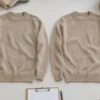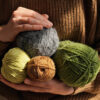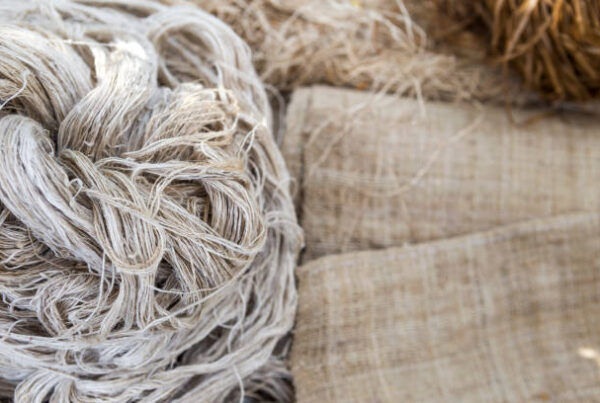
Choosing the right yarn composition is one of the most important decisions when developing custom wool blend knitwear. Pure wool offers natural warmth and a premium fiber identity, but it can increase material costs and require careful washing. Meanwhile, adding acrylic, polyamide, or cashmere changes the garment’s softness, durability, appearance, and production cost.
For fashion brands and wholesale buyers, the challenge is finding a blend that meets both design expectations and commercial requirements. A sweater must feel comfortable, retain its shape, resist excessive pilling, and remain consistent across bulk production.
However, there is no universal fiber ratio that works for every knitwear collection. The right composition depends on the target market, garment construction, yarn specifications, finishing process, and care requirements.
This guide explains common wool blend combinations and shows how to select yarn compositions for different product positioning and production needs.
1. Why Wool Blends Dominate Modern Commercial Knitwear Collections
Wool blends are widely used in commercial knitwear because they combine the natural characteristics of wool with the functional or economic advantages of other fibers.
For brands developing seasonal sweater collections, blending offers more flexibility than relying on a single fiber.
1.1 The Benefits and Limitations of Pure Wool
Wool is valued for its natural insulation, moisture management, elasticity, and distinctive surface texture.
Its crimped fiber structure helps trap air, supporting thermal insulation. Wool can also absorb moisture vapor, which contributes to comfort across different wearing conditions.
However, pure wool has several considerations for commercial production:
- Material cost: Fine wool grades can increase yarn purchasing costs.
- Skin comfort: Coarse fibers may feel irritating against sensitive skin.
- Care requirements: Some wool garments need gentle washing or professional care.
- Dimensional stability: Improper washing, agitation, and drying can cause shrinkage or felting.
- Surface appearance: Fiber type and yarn construction influence fuzziness and pilling behavior.
These characteristics do not mean pure wool is unsuitable. Instead, they show why brands should evaluate the intended garment and target customer before selecting a yarn.
1.2 Why Fiber Blending Improves Product Development Flexibility
A wool blend combines wool with one or more additional fibers.
The secondary fiber may improve specific properties, adjust material costs, or create a different surface appearance.
For example:
- Acrylic can help reduce material costs and provide a soft, wool-like hand feel.
- Polyamide can improve yarn strength and abrasion resistance.
- Cashmere can add a luxurious touch and softer surface.
- Polyester may contribute dimensional stability and durability in selected constructions.
The actual result depends on the fiber grade, yarn structure, and manufacturing process.
A well-designed blend should preserve the product qualities customers expect while addressing practical production requirements.
1.3 Wool Blends Support Different Market Positions
Different fiber compositions can support different price points and product categories.
| Product Positioning | Possible Fiber Direction | Main Development Goal |
|---|---|---|
| Entry-level everyday knitwear | Wool and acrylic | Balance cost and comfort |
| Commercial mid-range sweaters | Wool and polyamide | Improve durability and wear performance |
| Premium winter knitwear | Fine wool with selected soft fibers | Enhance comfort and appearance |
| Luxury knitwear | Wool and cashmere | Create a softer, premium hand feel |
| Functional knitwear | Wool with synthetic performance fibers | Balance warmth, strength, and care requirements |
These are development directions rather than fixed formulas. Brands should evaluate the finished garment before confirming the final composition.
2. Decoding Common Fiber Blends: Wool/Acrylic, Wool/Polyamide, and Wool/Cashmere
Selecting a suitable secondary fiber is the first step in developing custom wool blend knitwear.
Each fiber has different characteristics. Buyers should understand what each material contributes and what trade-offs may occur.
2.1 Wool and Acrylic: Balancing Cost and Softness
Acrylic is a synthetic fiber commonly used in commercial sweater production.
It can create a soft, lightweight, wool-like appearance and often costs less than fine wool. This makes wool-acrylic blends attractive for fashion collections that require accessible retail pricing.
Potential advantages:
- Lower material cost than many premium wool options.
- Soft hand feel with suitable yarn specifications.
- Lightweight construction possibilities.
- Good color development options.
- Suitable for a wide range of casual sweater designs.
Potential limitations:
- Lower moisture absorption than wool.
- Static electricity may be more noticeable.
- Surface pilling can occur depending on fiber properties and yarn construction.
- The garment may feel less naturally breathable than a wool-rich alternative.
Acrylic should not automatically be considered a low-quality material. Fiber quality, staple length, spinning technology, and finishing all influence the final result.
Example development directions:
| Wool Content | Acrylic Content | Possible Positioning |
|---|---|---|
| 30% | 70% | Cost-focused fashion knitwear |
| 50% | 50% | Balanced commercial blend |
| 70% | 30% | Wool-rich everyday knitwear |
These ratios are illustrative starting points. They do not guarantee a specific softness, warmth, or pilling grade.
2.2 Wool and Polyamide: Improving Strength and Durability
Polyamide, also known as nylon, is frequently added to wool yarns to improve mechanical performance.
Wool provides natural warmth and elasticity, while polyamide can increase tensile strength and abrasion resistance.
This combination can be useful for products that experience frequent handling or friction.
Potential advantages:
- Improved yarn strength.
- Better resistance to abrasion in suitable constructions.
- Support for more durable knitwear structures.
- Potentially improved resistance to yarn breakage during processing.
- Useful for areas exposed to repeated wear.
Potential limitations:
- Excessive synthetic content may change the natural hand feel.
- Moisture management differs from wool.
- Surface appearance depends on the selected fiber and yarn construction.
- Polyamide does not automatically prevent pilling.
Example development directions:
| Wool Content | Polyamide Content | Possible Development Focus |
|---|---|---|
| 90% | 10% | Wool-rich yarn with added strength |
| 80% | 20% | Balance natural wool content and durability |
| 70% | 30% | Higher synthetic-fiber contribution |
For brands developing cardigans, everyday sweaters, and frequently worn knitwear, wool-polyamide blends can be worth evaluating.
However, the final decision should consider the garment’s intended use, fabric density, and performance testing.
2.3 Wool and Cashmere: Creating a More Premium Hand Feel
Cashmere is a luxury animal fiber valued for its softness, lightweight warmth, and fine texture.
Blending cashmere with wool can help brands develop premium knitwear at different price points.
Wool provides a supporting fiber base, while cashmere contributes a distinctive soft hand feel.
Potential advantages:
- Softer surface when suitable cashmere fibers are used.
- Lightweight warmth.
- Premium product positioning.
- Refined texture for selected sweater constructions.
- Greater flexibility in luxury collection development.
Potential limitations:
- Higher raw material costs.
- Sensitive care requirements depending on construction.
- Potential surface fuzzing and pilling.
- Greater need for fiber-quality verification.
Example development directions:
| Wool Content | Cashmere Content | Possible Product Positioning |
|---|---|---|
| 95% | 5% | Wool-rich knitwear with a cashmere contribution |
| 90% | 10% | Premium wool-cashmere blend |
| 80% | 20% | Higher cashmere content for luxury collections |
A higher cashmere percentage does not automatically guarantee better finished-garment quality. Fiber grade, yarn spinning, knit structure, and finishing remain important.
2.4 Comparing the Three Main Wool Blend Options
| Fiber Blend | Main Contribution | Typical Development Goal | Key Consideration |
|---|---|---|---|
| Wool/Acrylic | Cost flexibility and soft hand feel | Commercial fashion sweaters | Static and pilling behavior |
| Wool/Polyamide | Strength and abrasion resistance | Durable everyday knitwear | Hand feel and fiber balance |
| Wool/Cashmere | Luxury softness and lightweight warmth | Premium collections | Material cost and care |
For B2B buyers, the best approach is to select the blend according to the garment’s intended market position rather than choosing a composition based only on its fiber percentage.
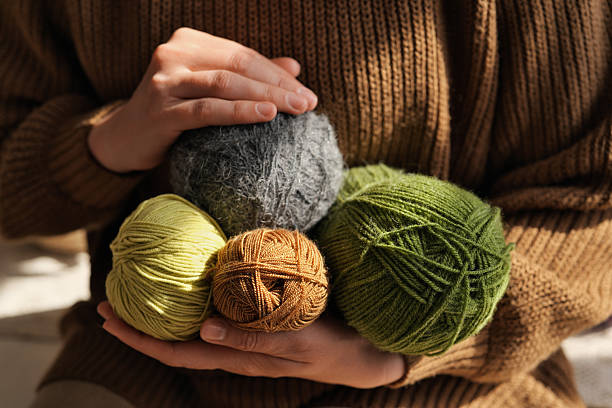
3. Impact of Fiber Ratios on Softness, Warmth, and Machine Washability
Fiber composition affects finished-garment performance, but the percentage alone cannot predict every result.
Two sweaters with identical fiber ratios may feel different because of yarn count, spinning method, knitting structure, finishing, and garment density.
3.1 How Fiber Ratios Affect Softness
Softness is influenced by several factors:
- Fiber diameter and length.
- Fiber surface characteristics.
- Yarn twist and spinning structure.
- Knitted stitch structure.
- Washing and finishing treatments.
- Garment thickness and fabric density.
Fine wool generally feels softer than coarse wool. However, a suitable acrylic or cashmere blend may also create a soft surface.
For brands developing next-to-skin sweaters, fiber selection should begin with the required wearing comfort.
A practical development process includes:
- Define the target hand feel.
- Select suitable fiber grades.
- Develop several yarn compositions.
- Knit sample panels or garments.
- Evaluate softness after finishing.
- Compare samples after repeated care cycles.
This process provides more reliable information than judging yarn composition from percentages alone.
3.2 How Wool Blends Influence Warmth
Wool contributes to insulation through its crimped fiber structure and the air held within the yarn and knitted fabric.
However, garment warmth also depends on:
- Fabric thickness.
- Stitch density.
- Yarn count.
- Garment fit.
- Air permeability.
- Fiber blend and finishing.
- Layering and wearing conditions.
Adding acrylic or polyamide does not automatically make a sweater warmer or colder.
For example, a dense wool-acrylic sweater may provide more insulation than a lightweight, loosely knitted wool-rich garment.
Brands should therefore evaluate the finished fabric rather than using wool percentage as the only indicator of warmth.
3.3 Can Wool Blend Knitwear Be Machine Washed?
Machine washability is a frequent requirement for commercial knitwear collections.
However, adding synthetic fibers does not automatically make wool garments machine washable.
Wool fibers can felt or shrink when exposed to unsuitable combinations of moisture, heat, and mechanical agitation. The risk depends on wool properties, yarn construction, fabric structure, and finishing.
For brands targeting easy-care knitwear, several factors deserve attention.
Wool treatment
Some wool yarns receive shrink-resist treatments that can improve dimensional stability under specified washing conditions.
Fiber selection
The selected wool grade and secondary fibers influence how the finished garment behaves during washing.
Knitting structure
Loose or unstable structures may change dimensions more easily than suitable compact constructions.
Finishing process
Washing, relaxation, and heat-setting procedures can influence the final dimensions and hand feel.
Care-label validation
The finished garment must be tested using the intended washing method before machine-wash instructions are approved.
Buyers should request actual wash-test results instead of assuming that a wool-acrylic or wool-nylon blend is automatically machine washable.
3.4 Match Yarn Composition to Product Requirements
The following matrix provides a practical starting point for product development.
| Product Requirement | Fiber Direction to Evaluate | Additional Considerations |
|---|---|---|
| Affordable everyday sweater | Wool/Acrylic | Softness, pilling, static |
| Durable cardigan | Wool/Polyamide | Abrasion and seam performance |
| Premium winter sweater | Fine wool blend | Fabric weight and warmth |
| Luxury soft-touch knitwear | Wool/Cashmere | Fiber grade and surface quality |
| Easy-care sweater | Treated wool blend | Wash and dimensional stability |
| Lightweight fashion knitwear | Fine-gauge wool blend | Yarn count and stitch density |
The final yarn specification should be confirmed through sampling and finished-garment testing.
4. Controlling Pilling, Shrinkage, and Shape Retention in Mass Production
Choosing the right fiber composition is only one part of successful knitwear production.
For wholesale orders, brands must also control yarn quality, knitting consistency, washing conditions, and garment dimensions.
Small variations during production can create visible differences between samples and bulk orders.
4.1 How to Reduce Pilling in Wool Blend Sweaters
Pilling occurs when loose fibers migrate to the fabric surface and form small fiber balls through friction.
It can affect wool, acrylic, cashmere, and blended knitwear. The severity depends on fiber properties and fabric construction.
Common contributing factors include:
- Short or weak fibers.
- Loose yarn structures.
- High surface hairiness.
- Excessive friction during wear.
- Fabric construction and finishing.
- Repeated washing and drying.
To manage pilling in bulk production, brands and manufacturers should consider the following measures.
Select suitable fiber quality
Fiber length, fineness, and strength influence yarn performance. Buyers should define material requirements before bulk production.
Optimize yarn spinning
Yarn structure and twist affect fiber migration and surface hairiness. A suitable spinning specification can help control loose surface fibers.
Adjust knitting density
Fabric density and stitch structure influence surface stability. The best construction depends on the intended garment design.
Evaluate finishing methods
Selected finishing processes may reduce loose surface fibers. However, aggressive treatments can affect softness and fabric appearance.
Conduct pilling tests
Use an agreed test method and acceptance criteria. Common methods include Martindale-based testing and other standardized pilling assessments.
A pilling grade should always be linked to the test method, test conditions, and evaluation scale. Results from different methods should not be treated as directly interchangeable.
4.2 Controlling Shrinkage During Washing
Wool garments may shrink or felt when washing conditions are unsuitable.
For mass production, shrinkage control should begin before knitting and continue through garment finishing.
Important control points include:
Yarn inspection
Check yarn composition, count, and relevant quality specifications before production.
Knitting parameter control
Maintain consistent machine settings and fabric construction. Variations in stitch length and tension can influence finished dimensions.
Relaxation and washing
Use controlled washing and relaxation procedures appropriate for the yarn and garment construction.
Drying conditions
Control temperature, moisture removal, and garment handling to avoid unnecessary dimensional changes.
Finished-garment measurement
Measure garments after the agreed conditioning and finishing process. Compare results with approved size specifications.
For reliable production, buyers should define acceptable dimensional changes for each garment category and washing method.
4.3 Improving Shape Retention After Repeated Wear
A sweater may fit correctly when new but lose its shape after repeated wearing.
Common issues include stretched cuffs, elongated sleeves, distorted necklines, and uneven garment lengths.
Several design and production factors influence shape retention.
Yarn elasticity
The natural elasticity of wool can support recovery, but the result depends on fiber quality and yarn construction.
Knitting structure
Rib structures are commonly used in cuffs and hems because they can provide useful stretch and recovery when properly designed.
Stitch density
Consistent stitch density helps maintain dimensional uniformity across production batches.
Seam construction
Shoulder seams and other joining areas should support the garment’s weight and intended wearing conditions.
Finishing and conditioning
Consistent garment relaxation and finishing help reduce dimensional variation.
For products with specific fit requirements, brands should test garments after repeated wear and care simulations.
4.4 Establish a Bulk Production Quality Control Checklist
A clear quality-control plan helps align the brand, yarn supplier, and knitwear manufacturer.
| Production Stage | Inspection Focus | Recommended Control |
|---|---|---|
| Raw material | Fiber composition and yarn count | Verify specifications and supplier documentation |
| Yarn preparation | Yarn consistency and appearance | Check defects, shade, and tension |
| Knitting | Stitch density and fabric defects | Inspect sample panels and production fabric |
| Linking and sewing | Seam strength and alignment | Check construction and workmanship |
| Washing and finishing | Shrinkage, hand feel, and appearance | Follow approved process parameters |
| Final inspection | Measurements, color, and defects | Compare with approved samples and size charts |
| Performance testing | Pilling and dimensional stability | Use agreed test methods and acceptance criteria |
For larger orders, buyers should also establish a clear bulk approval process.
This may include pre-production samples, shade approvals, size-set samples, and final inspection standards.
5. How to Develop the Right Custom Wool Blend Knitwear for Your Brand
Selecting yarn composition should be treated as a product-development decision, not simply a material purchasing task.
A structured development process helps brands balance design expectations, production costs, and finished-garment performance.
5.1 Define the Target Product Positioning
Start by identifying the intended market.
For example:
- Entry-level retail collections may prioritize cost and easy styling.
- Mid-range collections may require a balance of softness and durability.
- Premium collections may prioritize fine fiber quality and surface appearance.
- Functional collections may require specific wash-care and wear-performance properties.
This positioning helps narrow down suitable fiber combinations.
5.2 Request Multiple Yarn Composition Samples
Rather than selecting one ratio immediately, ask the manufacturer to develop several options.
For example, a brand developing wool-acrylic sweaters could compare:
- 30% wool / 70% acrylic.
- 50% wool / 50% acrylic.
- 70% wool / 30% acrylic.
Evaluate each option for:
- Hand feel.
- Fabric weight.
- Surface appearance.
- Warmth and comfort.
- Pilling behavior.
- Dimensional stability.
- Material cost.
These sample ratios are starting points, not guaranteed performance grades.
5.3 Confirm the Complete Yarn Specification
Fiber percentages alone are not enough for accurate bulk purchasing.
A complete specification should include:
- Fiber composition and percentage.
- Fiber grade and origin, where relevant.
- Yarn count.
- Spinning method.
- Yarn structure and ply.
- Color and dyeing requirements.
- Applicable finishing treatments.
- Testing and acceptance requirements.
For blends containing animal fibers, brands should also verify composition claims through appropriate supplier documentation or testing when required.
5.4 Approve Bulk Production Based on Finished Garments
The yarn sample may look and feel different from the final knitted garment.
Therefore, buyers should approve finished samples before mass production.
A useful approval sequence is:
- Confirm the yarn composition.
- Approve the knitted fabric swatch.
- Review the finished garment sample.
- Check measurements and workmanship.
- Evaluate relevant pilling and washing results.
- Confirm color and bulk production standards.
This approach reduces the risk of discovering material or construction problems after a large order has entered production.
6. Frequently Asked Questions About Custom Wool Blend Knitwear
Q1: What is the best wool blend ratio for sweaters?
There is no single best ratio. Wool-acrylic blends can support cost-conscious collections, while wool-polyamide blends may improve mechanical durability. Wool-cashmere blends are often considered for softer, premium products. The right ratio depends on the target hand feel, performance requirements, and budget.
Q2: Does adding acrylic make wool sweaters less expensive?
Acrylic can reduce raw material costs compared with many fine wool options. However, the final garment cost also depends on yarn count, knitting time, finishing, dyeing, and quality requirements.
Q3: Is wool and nylon a good combination for knitwear?
Wool and nylon can be a useful combination when brands want to balance natural wool characteristics with improved yarn strength and abrasion resistance. The final result depends on the selected fiber grades and construction.
Q4: Does a higher wool percentage always mean better quality?
No. Wool percentage alone does not determine quality. Fiber fineness, yarn construction, knitting density, finishing, and workmanship also influence the garment’s comfort and performance.
Q5: Can wool blend sweaters be machine washed?
Some wool blend sweaters can be machine washed when the yarn, treatment, construction, and finishing are suitable. Buyers should confirm the care instructions through finished-garment testing.
Q6: How can brands reduce pilling in wool blend knitwear?
Brands can improve pilling performance by selecting suitable fibers, optimizing yarn construction, controlling fabric density, and evaluating finishing methods. Finished garments should be tested using an agreed pilling method.
Q7: What information should buyers provide when ordering custom wool blend knitwear?
Buyers should provide the desired fiber composition, garment design, yarn count, size specifications, target hand feel, color requirements, expected order quantity, and care-performance expectations. Reference samples and technical drawings can also help clarify requirements.
Conclusion: Choose Yarn Composition Through Product Performance
Developing successful custom wool blend knitwear requires more than choosing a high wool percentage or adding synthetic fibers to reduce costs.
Wool-acrylic blends can provide cost flexibility, wool-polyamide blends can support durability, and wool-cashmere blends can create a softer premium feel. However, the final garment performance depends on fiber quality, yarn structure, knitting construction, finishing, and care conditions.
For brands planning wholesale knitwear collections, the most reliable approach is to define product requirements first, compare several yarn compositions, and evaluate finished garments through practical testing.
A balanced material specification helps brands control costs while maintaining the comfort, appearance, and consistency expected by their customers.
HDL provides customized knitwear supply solutions for brands developing different sweater styles and material combinations. Share your design, target composition, and product requirements with HDL to discuss suitable custom wool blend knitwear development options.