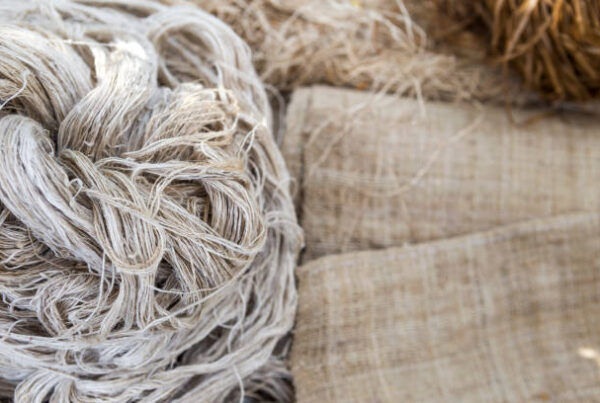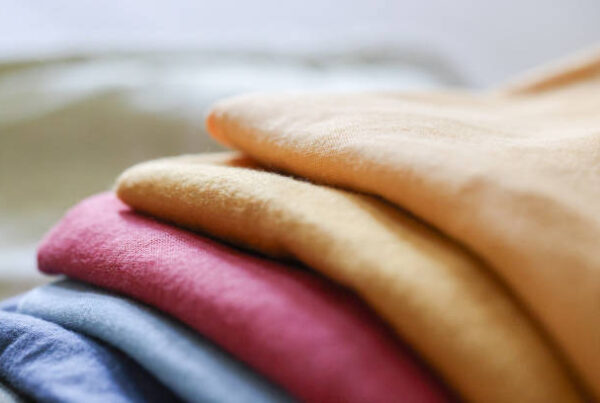

For brands developing sustainable knitwear collections, choosing the right yarn involves more than comparing fiber content. A custom organic cotton sweater factory may be the right partner for breathable, versatile everyday knitwear, while a recycled cashmere sweater custom program may suit premium collections that emphasize softness, material reuse, and a refined handfeel.
Both materials can support sustainability-focused product development, but they differ in fiber characteristics, sourcing requirements, production costs, and customer expectations. Organic cotton focuses on certified agricultural practices and traceable organic content. Recycled cashmere uses recovered cashmere fibers, although its properties depend on the original material, recycling process, and yarn construction.
For wholesale buyers, fashion brands, and private-label developers, the best choice depends on the intended product, target retail segment, evidence available from suppliers, and total production economics. This guide compares the two yarn options to help buyers make informed sourcing decisions.
1. What Is the Difference Between Organic Cotton and Recycled Cashmere?
Organic cotton and recycled cashmere represent two different approaches to material sourcing. One focuses on how the original fiber is grown, while the other focuses on recovering and reprocessing existing material.
Organic Cotton: A Versatile Plant-Based Fiber
Organic cotton is produced under applicable organic agricultural standards. Certified organic production generally excludes prohibited synthetic pesticides and fertilizers and restricts genetically modified seeds under the relevant certification framework. Textile Exchange explains how standards such as the Organic Content Standard (OCS) help track organic material through the supply chain.
For knitwear developers, organic cotton can be suitable for:
- Lightweight spring and summer sweaters
- Everyday crewneck and V-neck knitwear
- Relaxed-fit cardigans
- Textured cotton pullovers
- Transitional-season layering pieces
Its performance depends on yarn count, fiber quality, spinning method, knitting structure, and finishing. Organic status alone does not guarantee a softer, stronger, or more durable sweater than conventional cotton.
Recycled Cashmere: A Premium Fiber-Reuse Option
Recycled cashmere is produced by recovering cashmere material and processing it into fibers that can be spun into new yarn. Feedstock may include pre-consumer production offcuts or post-consumer textile waste.
The resulting yarn can offer a premium handfeel, but its quality depends on the source material, fiber length, recycling method, blend ratio, and spinning process. Mechanical recycling can shorten fibers, which may influence yarn strength, surface appearance, and pilling performance.
Recycled cashmere may suit:
- Premium sweaters and cardigans
- Soft-touch winter knitwear
- Luxury-inspired private-label collections
- Scarves and coordinated knit accessories
- Limited collections built around recovered materials
Recycled content does not automatically establish lower environmental impact in every category. Buyers should evaluate the actual material source, processing route, product lifespan, and available evidence.
Key Material Differences at a Glance
| Factor | Organic Cotton | Recycled Cashmere |
|---|---|---|
| Fiber origin | Cotton grown under applicable organic standards | Recovered and reprocessed cashmere material |
| Typical handfeel | Can range from crisp to soft, depending on yarn and finish | Often selected for a soft, fine, premium handfeel |
| Seasonal positioning | Spring, summer, and year-round layering | Commonly positioned for cooler weather and premium layering |
| Design flexibility | Suitable for basic, textured, and lightweight knitwear | Suitable for premium-looking sweaters and refined textures |
| Main sourcing concern | Organic content verification and supply-chain traceability | Recycled-content verification, feedstock quality, and fiber consistency |
| Cost drivers | Cotton grade, yarn specification, certification, dyeing, and order volume | Feedstock availability, sorting, recycling yield, spinning, blend ratio, and order volume |
| Common brand positioning | Everyday comfort and verified organic material sourcing | Premium feel and material circularity |
These are general tendencies rather than guarantees. Actual performance must be confirmed through yarn specifications and garment sampling.
2. How to Evaluate Yarn Quality Before Custom Production
A sustainable material claim is only one part of the product specification. Buyers also need to determine whether the yarn can deliver the desired appearance, fit, durability, and production consistency.
Evaluate Organic Cotton Yarn
When working with a custom organic cotton sweater factory, ask the supplier to confirm the following details:
Fiber and yarn specifications: Review the cotton grade, yarn count, spinning method, twist, and any blend components. These variables influence the fabric’s surface, strength, and handle.
Knitting performance: Request a sample knitted in the intended stitch structure. A yarn that performs well in plain jersey may behave differently in rib, cable, or openwork structures.
Shrinkage and dimensional stability: Check the garment after the agreed washing process. Cotton knitwear can change in length, width, and shape if yarn, stitch density, finishing, and garment construction are not properly controlled.
Pilling and surface appearance: Assess fuzzing, pilling, and surface consistency under the conditions relevant to the intended product.
Color and dyeing: Confirm shade standards, color approval procedures, and batch consistency. Organic fiber content does not eliminate the need to evaluate dyeing and finishing processes.
Evaluate Recycled Cashmere Yarn
For a recycled cashmere sweater custom project, the review should include both recycled-content evidence and physical yarn performance.
Confirm the fiber composition: Ask whether the yarn contains 100% recycled cashmere or a blend. If blended, request the percentage of each fiber and verify how those percentages are documented.
Ask about feedstock: Clarify whether the material comes from pre-consumer offcuts, post-consumer garments, or a combination. This information helps buyers explain the sourcing story accurately.
Review fiber and yarn consistency: Recycled fibers may vary in length and quality. Request yarn samples and check for irregularities, excessive hairiness, or inconsistent thickness.
Test pilling and abrasion: Softness is not a substitute for durability. Evaluate the finished garment using a test method and acceptance criteria appropriate to its intended use.
Check recovery and shape retention: Review how the knitted garment responds to washing, drying, wearing, and storage. Fit and recovery also depend on the stitch structure and any blended elastic or supporting fibers.
For both materials, approve the yarn and finished-garment samples before bulk production. A small swatch alone may not reveal all issues associated with garment construction and finishing.
3. Which Sustainability Documents Should Buyers Request?
For B2B sourcing, sustainability claims should be supported by documentation that matches the material, transaction, and final product. A supplier’s statement that a yarn is “eco-friendly” or “recycled” is not equivalent to independent verification.
Documents for Organic Cotton Knitwear
Depending on the claim and target market, buyers should review:
- Organic fiber documentation: Evidence that the cotton originates from farms certified under the applicable organic agricultural standard.
- Organic Content Standard (OCS) documentation: Relevant when verifying organic material content and its chain of custody.
- Global Organic Textile Standard (GOTS) documentation: Relevant when buyers require a broader textile standard covering organic fibers alongside specified processing, environmental, and social criteria.
- Scope Certificates: Documents showing the certified activities and product categories covered by a supplier’s certification.
- Transaction Certificates or equivalent transaction records: Evidence linking a particular shipment or material transaction to the applicable certified supply chain, where required.
OCS and GOTS serve different purposes. OCS focuses on verifying organic content and its chain of custody, while GOTS includes additional requirements for textile processing. Neither should be treated as a generic label that automatically covers every product or supplier.
Documents for Recycled Cashmere Knitwear
For recycled cashmere, ask for:
- Recycled-content specifications: The declared recycled cashmere percentage and details of other fibers in the yarn.
- Recycled Claim Standard (RCS) documentation: Relevant for verifying recycled material content and chain of custody.
- Global Recycled Standard (GRS) documentation: Relevant when the project requires a broader recycled-textile framework with additional processing, chemical, environmental, and social requirements.
- Supplier Scope Certificates: Evidence that the relevant supplier and activities fall within the applicable certification scope.
- Transaction Certificates or supporting transaction records: Documentation linking the actual material supplied to the applicable certified claim.
Textile Exchange describes RCS and GRS as standards for verifying recycled material and chain of custody. GRS adds requirements beyond recycled-content verification. Check the current standard rules, product-claim thresholds, certification scope, and destination-market requirements before approving labels or marketing copy.
A Practical Document Review Checklist
| Checkpoint | What Buyers Should Verify |
|---|---|
| Supplier identity | Does the certificate identify the correct legal entity and facility? |
| Scope and validity | Are the relevant activities, materials, and dates covered? |
| Material composition | Does the documented fiber percentage match the approved yarn specification? |
| Transaction traceability | Can the supplied lot be linked to the relevant transaction records? |
| Finished-product claim | Does the certification system and supply-chain coverage support the proposed claim? |
| Market requirements | Do labeling and environmental-claim rules in the destination market permit the wording? |
A certificate held by one upstream supplier does not necessarily prove that every downstream garment qualifies for a consumer-facing claim. Confirm the required chain of custody and labeling eligibility before printing hangtags, packaging, or product-page statements.
4. How Do Organic Cotton and Recycled Cashmere Affect Production Costs?
There is no universal cost ranking between organic cotton and recycled cashmere. Recycled cashmere is often positioned in a higher-priced product segment, but actual yarn and garment costs depend on specifications, supplier availability, production quantities, and processing requirements.
Buyers should compare the total cost of the finished garment rather than the quoted price per kilogram alone.
Main Cost Drivers for Organic Cotton Sweaters
Yarn specification: Fiber grade, yarn count, spinning method, and any special finish affect yarn pricing.
Color requirements: Custom shades, dye-lot requirements, and small color quantities can increase sampling and production costs.
Knitting structure: Cables, intarsia, jacquard, and complex rib patterns can require more machine time or specialized programming.
Garment finishing: Washing, softening, pressing, and other finishing operations affect cost and appearance.
Order quantity: Yarn minimums, dye-lot minimums, and production setup costs can make small orders more expensive per unit.
Main Cost Drivers for Recycled Cashmere Sweaters
Feedstock quality and availability: Consistent recycled cashmere inputs may be harder to source than standard yarn options, depending on the required specification.
Recycling and spinning yield: Fiber recovery, sorting, and reprocessing affect the quantity of usable yarn obtained from the feedstock.
Blend ratio: A recycled cashmere blend may offer a different cost and performance balance from a higher-cashmere-content yarn. Buyers should verify composition rather than relying on the material name alone.
Quality control: Additional inspection or testing may be needed to confirm consistency across recycled-yarn batches.
Certification and traceability: Applicable certification, documentation, segregation, and transaction requirements may add administrative or operational costs.
Compare Quotes on a Like-for-Like Basis
| Quotation Item | Questions to Ask |
|---|---|
| Yarn composition | Are fiber percentages and recycled or organic claims clearly stated? |
| Yarn count and gauge | Are the yarn specifications and knitting requirements comparable? |
| Garment weight | Are samples and quotations based on the same size and target weight? |
| Construction | Are stitch patterns, shaping, and design complexity equivalent? |
| Finishing | Are washing, softening, and other treatments included? |
| Certification | Are document verification and any applicable certification costs included? |
| Sampling | Are development samples and revisions charged separately? |
| MOQ and lead time | What are the minimums for the yarn, color, and finished garment? |
| Quality requirements | Are testing, defect limits, and bulk approval procedures defined? |
This approach helps procurement teams identify the true cost drivers and avoid comparing a basic cotton sweater with a more complex premium cashmere design as if the material were the only difference.
5. How Should Brands Position Each Material?
The right yarn should match the product’s intended use, customer expectations, and price architecture. Sustainability messaging is more credible when it reflects the actual material and its documented attributes.
Position Organic Cotton for Everyday Knitwear
Organic cotton can be a strong option for brands developing accessible, versatile knitwear with a clear material-sourcing story.
Potential product directions include:
- Everyday crewneck sweaters
- Lightweight cardigans
- Seasonal knit tops
- Relaxed-fit pullovers
- Coordinated cotton knit sets
For marketing, focus on verifiable organic content, comfort-related product attributes demonstrated by testing, and practical care instructions. Avoid claiming that organic cotton is automatically more durable, lower-carbon, or water-saving in every situation without comparative evidence.
Position Recycled Cashmere for Premium Collections
Recycled cashmere may be suitable for brands seeking a premium handfeel and a material-reuse narrative.
Potential product directions include:
- Premium winter sweaters
- Refined cardigans
- Soft layering pieces
- Limited-edition knitwear
- Coordinated accessories
The product story should identify the recycled content accurately and explain what is known about the material’s source. If the yarn contains other fibers, disclose the composition clearly. Avoid presenting all recycled cashmere as equivalent in softness, durability, or environmental impact.
Build a Product Portfolio with Both Materials
Some brands do not need to choose only one yarn across their entire collection. Organic cotton can serve core styles, while recycled cashmere can support a premium capsule or seasonal range.
A portfolio strategy may help brands address different price points and customer needs, provided that each material has a clear product purpose and the supply chain can support the required specifications.
6. How to Select a Custom Knitwear Supplier
Material selection is only the beginning. The supplier must also demonstrate the ability to turn the yarn into a repeatable finished product.
Confirm Sampling and Development Capabilities
Ask the supplier to explain how it handles yarn sourcing, swatch development, gauge selection, pattern adjustments, fit approval, and bulk-production preparation. The exact process should match the supplier’s actual capabilities.
Review Quality-Control Procedures
Discuss how the supplier checks yarn consistency, garment measurements, stitching, color differences, pilling, shrinkage, and shape retention. Agree on test methods and acceptance limits before production begins.
Clarify Sustainable Material Traceability
A supplier should be able to explain which documents are available, which parties are covered by certification, and how the material delivered for your order can be traced. If a specific certificate is essential to the project, verify it before confirming the purchase order.
Define the Commercial Requirements
Before placing a bulk order, document:
- Yarn composition and approved material specifications.
- Color standards and sample-approval requirements.
- Garment measurements, construction, and finishing details.
- Required certificates and transaction documentation.
- Order quantities, color minimums, pricing, and lead-time assumptions.
- Inspection procedures and corrective-action expectations.
For brands seeking a custom organic cotton sweater factory or developing a recycled cashmere sweater custom collection, these steps provide a clearer basis for comparing suppliers and controlling production risk.
Frequently Asked Questions
1. Is organic cotton more sustainable than recycled cashmere?
Neither material is automatically more sustainable in every application. Organic cotton concerns agricultural practices and verified organic content, while recycled cashmere focuses on recovering existing fiber material. A fair comparison requires evidence about sourcing, processing, product durability, care, and end-of-life options.
2. Is recycled cashmere always cheaper than virgin cashmere?
No. Price depends on feedstock quality, usable fiber yield, spinning requirements, blend ratio, availability, and order quantity. Recycled content alone does not guarantee a lower yarn or finished-garment price.
3. What certification should buyers request for organic cotton sweaters?
OCS can support organic-content and chain-of-custody verification. GOTS covers organic fibers alongside additional textile-processing requirements. Buyers should select the appropriate standard based on the product claim, supply-chain scope, and target-market rules.
4. How can buyers verify recycled cashmere content?
Request a clear fiber-composition specification and relevant certification or transaction documentation. RCS and GRS may support recycled-content verification, but the applicable scope, product-claim rules, and transaction records must be checked for the specific order.
5. Can organic cotton and recycled cashmere be blended?
A blend may be technically possible, depending on yarn availability, spinning requirements, knitting performance, and the intended product. The supplier should confirm the actual composition and test the resulting yarn and garment. Buyers must also ensure that any sustainability claims accurately reflect the blend.
6. What should buyers test before bulk production?
Approve a representative garment sample and evaluate fit, measurements, surface appearance, pilling, shrinkage, color consistency, and care performance. For recycled cashmere, pay particular attention to yarn consistency and durability. For organic cotton, verify that the selected yarn and construction deliver the intended handfeel and dimensional stability.
Conclusion
Organic cotton and recycled cashmere offer different opportunities for sustainable custom knitwear. Organic cotton can support versatile everyday collections built around verified organic sourcing, while recycled cashmere can help create premium products that emphasize softness and material reuse.
The better choice depends on yarn quality, product function, target price, supplier reliability, and the strength of the supporting documentation. Buyers should compare complete garment specifications and total costs, verify certification and chain-of-custody records, and approve samples before bulk production.
For HDL, the key opportunity is to help brands translate material preferences into practical knitwear specifications. By aligning yarn selection, garment design, quality requirements, and sourcing evidence from the beginning, buyers can develop collections with a clearer product identity and more credible sustainability claims. Contact HDL to discuss custom knitwear development based on your target materials and product requirements.