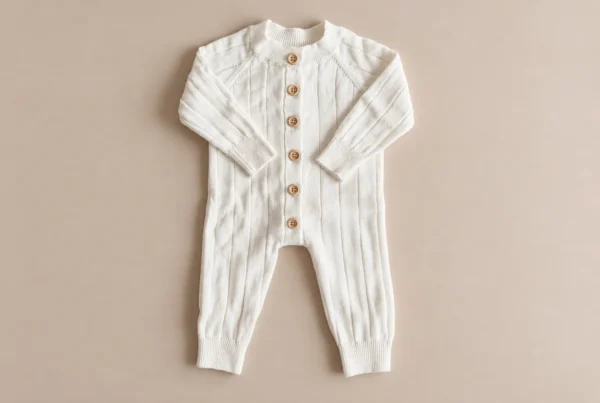
Developing a custom design thermal wool sweater requires more than choosing a high wool content or a fashionable silhouette. Brands must balance warmth, breathability, softness, durability, fit, and production costs to meet the expectations of different winter markets.
A sweater designed for a cold urban commute may need a different yarn blend and fit from one intended for outdoor activities or mild winter conditions. Yarn composition influences thermal comfort and handfeel, while knit density, fabric structure, ribbing, and garment construction affect how the sweater performs in use.
For apparel brands, wholesalers, and private-label buyers, understanding these design factors helps create more suitable winter knitwear collections. This guide explains how to customize thermal wool sweaters around target climates, customer preferences, and intended applications.
1. Choose the Right Yarn Blend for the Target Market
Yarn selection is one of the first decisions in custom wool sweater development. Different fibers offer different combinations of insulation, softness, moisture management, durability, and cost.
The ideal blend depends on the product’s intended use, price positioning, care requirements, and target customer.
Compare Common Yarn Options
| Yarn Type | Key Characteristics | Potential Applications | Design Considerations |
|---|---|---|---|
| Merino wool | Can provide a soft handfeel and natural temperature regulation | Premium winter knitwear, base-layer-inspired sweaters, everyday apparel | Fiber fineness, yarn construction, pilling, and care requirements |
| Standard wool | Offers natural insulation and a range of warmth and texture options | Classic winter sweaters, outdoor-inspired knitwear | Softness varies by fiber type and processing |
| Wool-acrylic blend | Can balance wool characteristics with cost and practical wear properties | Mid-market retail, everyday winter collections | Confirm blend ratio, pilling behavior, and handfeel |
| Wool-nylon blend | Nylon can improve abrasion resistance and support yarn durability | Sweaters exposed to frequent wear | Evaluate softness, elasticity, and the required fiber ratio |
| Wool-cashmere blend | Can deliver a soft, premium handfeel | Luxury knitwear and elevated winter collections | Higher material costs and more demanding care expectations |
| Cotton-wool blend | Combines cotton’s handfeel with wool’s insulating properties | Transitional knitwear and selected mild-winter markets | Warmth depends on yarn construction, fabric weight, and blend ratio |
These options are starting points rather than universal performance rankings. Actual results depend on fiber quality, yarn count, spinning method, knit structure, finishing, and garment construction.
Match Yarn Composition to Climate and Use
For severe winter conditions: Consider wool-rich yarns and fabric constructions designed to provide greater insulation. A denser knit or layered garment design may help reduce heat loss, but the finished sweater should still allow comfortable movement and moisture management.
For mild winter markets: Lighter wool blends and less bulky structures may offer a more comfortable balance. These designs can suit indoor use, commuting, and layering.
For premium fashion collections: Fine merino wool or selected wool-cashmere blends may support a softer, more refined appearance. Buyers should evaluate fiber quality, surface smoothness, pilling resistance, and care requirements.
For frequent everyday wear: Consider durability alongside warmth. The yarn should be evaluated for abrasion resistance, dimensional stability, and performance after repeated washing or care cycles.
Before confirming a bulk order, buyers should approve the actual yarn specification and test a representative sample. Fiber percentages alone do not guarantee a particular level of warmth or softness.
2. Adjust Knit Density and Gauge for Thermal Performance
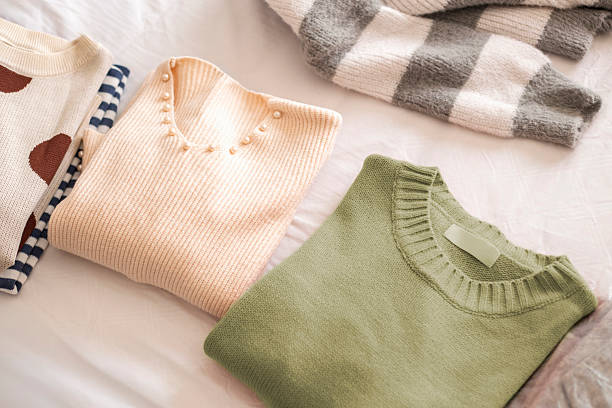
Knit density influences the structure of a sweater, its weight, its appearance, and how air moves through the fabric. For thermal wool knitwear, the goal is to select a construction that suits the intended climate without creating unnecessary bulk.
Gauge and fabric density are related, but they are not interchangeable. Gauge generally describes the number of needles per unit length on a knitting machine. Fabric density describes the number of stitches within a defined area of the finished fabric.
Fine-Gauge vs. Chunky Knit Sweaters
| Design Factor | Fine-Gauge Knit | Medium-Gauge Knit | Chunky Knit |
|---|---|---|---|
| Appearance | Smooth and refined | Balanced and versatile | Textured and visually substantial |
| Typical use | Lightweight layering and premium basics | Everyday winter wear | Statement winterwear and casual outer layers |
| Layering | Usually easier under fitted jackets | Depends on fabric thickness and fit | May require more room in outerwear |
| Development focus | Smooth surface, fit stability, and fabric opacity | Balance of comfort, warmth, and versatility | Bulk, weight, stitch definition, and dimensional stability |
| Main risk | Fabric may feel too light for the target use | Performance varies with yarn and structure | Excessive bulk or weight may reduce comfort |
A chunky sweater is not automatically warmer than every fine-gauge sweater. Warmth depends on the combined effects of yarn, trapped air, fabric thickness, garment coverage, fit, and the conditions in which the sweater is worn.
How to Evaluate Knit Density
When developing a custom thermal wool sweater, assess the finished fabric rather than relying on machine gauge alone.
Key checks include:
- Fabric weight: Confirm whether the sweater feels appropriate for the intended climate and retail positioning.
- Fabric thickness: Check whether the fabric provides the desired structure without excessive bulk.
- Stitch consistency: Inspect for irregular loops, dropped stitches, holes, and visible differences across panels.
- Stretch and recovery: Evaluate whether the fabric returns to its intended shape after stretching.
- Dimensional stability: Check whether the sweater changes in length or width after the specified care process.
For B2B development, a fabric swatch is useful for initial selection, but a complete garment sample is necessary to evaluate the combined effects of density, fit, and construction.
3. Design Rib Structures to Reduce Gaps and Improve Fit
Ribbing is an important construction detail in thermal knitwear. Ribbed cuffs, collars, and hems help the garment fit around the body and maintain its intended shape.
These details can also influence how comfortably the sweater sits against the wearer and how easily it can be layered.
Common Rib Structures and Their Applications
| Rib Structure | Design Characteristics | Potential Application |
|---|---|---|
| 1×1 rib | Alternating knit and purl columns with a relatively fine appearance | Neat cuffs, collars, and lightweight hems |
| 2×2 rib | Broader rib columns and a more pronounced texture | Classic winter sweaters and substantial cuffs |
| Wider or custom rib | More prominent visual lines and a distinctive texture | Fashion-led designs and oversized knitwear |
| Tubular or double-layer rib construction | Can create a more substantial edge, depending on construction | Selected collars, cuffs, and premium finishing details |
The best structure depends on the yarn, machine setup, desired stretch, and garment design. Rib dimensions and tension should be confirmed through sampling rather than copied from a reference garment without adjustment.
Focus on Cuffs, Collars, and Hems
Cuffs: Sleeves that are too loose may allow unwanted air movement, while overly tight cuffs can restrict comfort. Rib elasticity and finished circumference should suit the intended sleeve design.
Collars: Crew necks, mock necks, and roll necks provide different coverage and styling options. A higher collar may suit colder conditions, but comfort depends on the opening size, rib tension, and yarn softness.
Hems: A well-designed rib hem helps maintain the intended silhouette. For fitted sweaters, the hem should provide suitable recovery without creating excessive compression. For relaxed styles, a looser hem may be more consistent with the desired drape.
For buyers sourcing wholesale wool sweaters, these details should be included in the technical specification. Small differences in rib height, tension, and circumference can affect both appearance and wearer comfort.
4. Customize Sweater Fit for Different Winter Markets
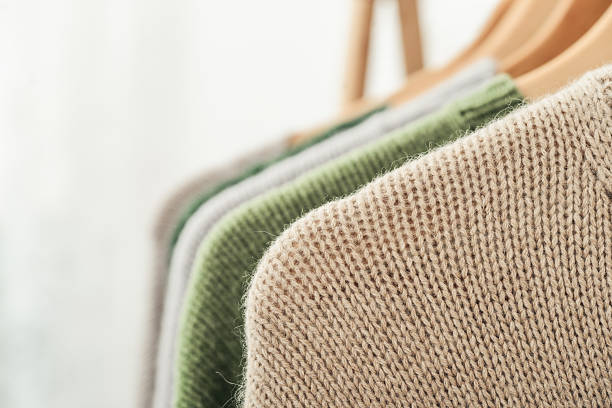
Fit determines how a thermal wool sweater works with the wearer’s body, other clothing layers, and daily activities. It also influences the garment’s visual identity and target retail segment.
A sweater intended for office wear may prioritize a clean silhouette, while a design for outdoor layering may require additional room through the chest, shoulders, and sleeves.
Match Silhouette to Customer Needs
| Fit Type | Main Characteristics | Suitable Design Direction |
|---|---|---|
| Slim fit | Closer to the body with less excess fabric | Office layering, refined basics, and tailored looks |
| Regular fit | Balanced ease through the body and sleeves | General retail and versatile winter collections |
| Relaxed fit | More room and a casual silhouette | Lifestyle collections and comfortable everyday wear |
| Oversized fit | Deliberately generous proportions | Trend-driven collections and chunky knitwear |
| Layering fit | Designed with room for additional garments underneath | Outdoor-inspired styles and colder climates |
These categories are not standardized measurements. Brands should define garment measurements and ease allowances based on their own size charts, target customers, and intended layering system.
Account for Regional Preferences
Different winter markets may favor different combinations of warmth, fit, and styling.
Cold-climate markets: Buyers may prioritize longer body coverage, higher collars, fuller sleeves, and enough room for base layers. Fabric weight and construction should support the intended use without making the garment unnecessarily restrictive.
Mild-winter markets: Lightweight sweaters, fine-gauge knits, and regular or slim silhouettes may be easier to wear across indoor and outdoor settings.
Fashion-led markets: Oversized silhouettes, statement ribbing, textured stitches, and distinctive proportions may be important. The design still needs to balance appearance with practical comfort.
Commuter and office markets: Smooth surfaces, versatile colors, and regular or slim fits can support layering under coats and jackets.
These are useful starting hypotheses, not fixed rules for entire regions. Retail data, customer research, climate conditions, and brand positioning should guide the final design.
5. Combine Yarn, Density, Ribbing, and Fit into One Product Strategy
Each design variable affects the others. A yarn may feel soft in a swatch but behave differently in a dense stitch structure. A thick fabric may look substantial but restrict movement when paired with a slim fit. Strong ribbing may improve shape retention but feel uncomfortable if its dimensions are unsuitable.
For this reason, brands should develop thermal knitwear as a complete garment rather than choosing each specification independently.
Example Design Directions for Different Winter Uses
| Target Use | Yarn Direction | Knit Construction | Rib and Fit Priorities |
|---|---|---|---|
| Premium urban winterwear | Fine merino or a selected premium blend | Fine to medium gauge | Refined cuffs, comfortable collar, regular or slim fit |
| Everyday wholesale winterwear | Wool blend selected for target cost and care needs | Medium gauge | Balanced rib recovery and versatile regular fit |
| Cold-weather casualwear | Wool-rich yarn or a tested insulating blend | Medium or chunky construction | Fuller coverage, practical cuffs, room for layering |
| Fashion-focused knitwear | Yarn chosen for texture, drape, and appearance | Fine, medium, or chunky according to design | Distinctive ribbing, relaxed or oversized silhouette |
| Lightweight transitional knitwear | Fine wool blend or cotton-wool blend | Fine to medium gauge | Lighter construction and easy layering |
These examples are product-development directions, not guarantees of thermal performance. The finished sweater should be evaluated against the intended wear conditions and target price point.
Build a Sample Review Process
A structured sample review helps buyers identify problems before bulk production.
- Approve the yarn: Confirm fiber composition, yarn count, color, handfeel, and any relevant supplier documentation.
- Review the fabric: Check gauge, weight, thickness, stitch appearance, and stretch behavior.
- Measure the garment: Compare chest, body length, shoulder width, sleeve length, cuff circumference, and collar dimensions against the approved specification.
- Test fit and movement: Try the sweater over the intended base layer and check comfort during ordinary movement.
- Evaluate care performance: Follow the specified care instructions and check for shrinkage, distortion, pilling, and changes in handfeel.
- Confirm bulk standards: Document approved measurements, tolerances, yarn specifications, and visual references before production.
Testing methods and acceptance limits should reflect the fiber blend, garment category, care label, and buyer requirements.
6. What Should Buyers Confirm When Ordering Custom Thermal Wool Sweaters?
For brands and wholesalers, clear specifications help translate a design concept into a repeatable product. Before placing a bulk order, confirm the following details with the knitwear supplier.
Custom Sweater Development Checklist
- Target market: Identify the climate, customer profile, retail positioning, and intended wearing conditions.
- Yarn composition: Specify fiber percentages, yarn count where applicable, color, and required handfeel.
- Knit construction: Confirm machine gauge, stitch structure, fabric weight targets, and desired thickness.
- Rib details: Define rib type, height, circumference, and expected stretch recovery.
- Fit and measurements: Provide a size chart, measurement points, grading rules, and fit references.
- Finishing and care: Confirm washing or finishing requirements, label information, and care instructions.
- Quality standards: Agree on measurement tolerances, appearance checks, pilling expectations, and shrinkage limits.
- Commercial requirements: Confirm MOQ, sampling arrangements, color options, customization scope, packaging, and production schedule with the supplier.
A detailed tech pack should include construction diagrams, measurements, yarn specifications, color references, and relevant finishing instructions. If the sweater has multiple sizes or colors, the buyer should also confirm how grading and color consistency will be controlled during bulk production.
Frequently Asked Questions
1. What makes a custom design thermal wool sweater suitable for cold weather?
Its performance depends on the yarn, fabric thickness, knit structure, garment coverage, fit, and intended layering. Wool can contribute insulation and moisture management, but no single fiber percentage guarantees a specific warmth level.
2. Is a higher wool percentage always better for thermal sweaters?
Not necessarily. A higher wool percentage may suit some product goals, but buyers must also consider softness, durability, care requirements, cost, and the intended use. A well-designed blend may better meet the needs of a particular market.
3. Does a tighter knit always provide more warmth?
No. Knit density affects air movement, thickness, and fabric behavior, but warmth also depends on yarn structure, garment coverage, fit, and other design factors. Samples should be evaluated as finished garments.
4. Which rib structure is best for a thermal wool sweater?
There is no universal best option. A 1×1 rib may suit a refined cuff, while a 2×2 rib may provide a more pronounced appearance. The correct choice depends on the desired stretch, recovery, visual style, and garment dimensions.
5. What information should buyers provide to a custom knitwear manufacturer?
Provide the target market, reference images, yarn preferences, color standards, size chart, fit requirements, knit structure, finishing details, and estimated order quantity. A detailed tech pack and approved sample help reduce ambiguity before bulk production.
Conclusion
Designing a successful custom design thermal wool sweater means balancing material selection, knit density, rib structure, and fit around the needs of a specific winter market. Yarn composition influences handfeel and durability, knit construction shapes the fabric’s weight and structure, ribbing supports fit and recovery, and the silhouette determines comfort and layering flexibility.
For B2B buyers, the most reliable approach is to define the target use first, develop the specifications together, and validate them through garment sampling and clear quality standards. This process supports more consistent products and helps brands build winter knitwear collections with a stronger fit for their customers.
HDL provides customized knitwear development for apparel brands and wholesale buyers. Contact HDL to discuss your thermal wool sweater concept, material options, fit requirements, and OEM customization needs.