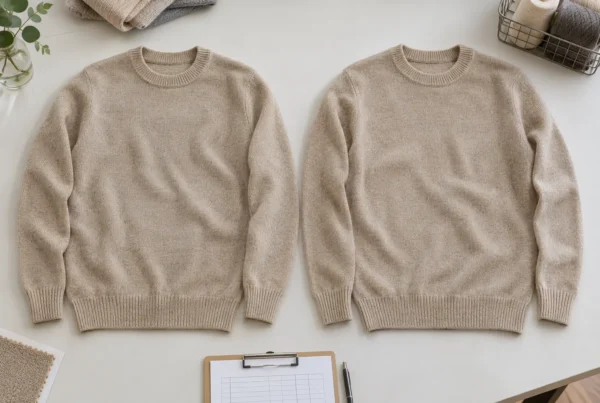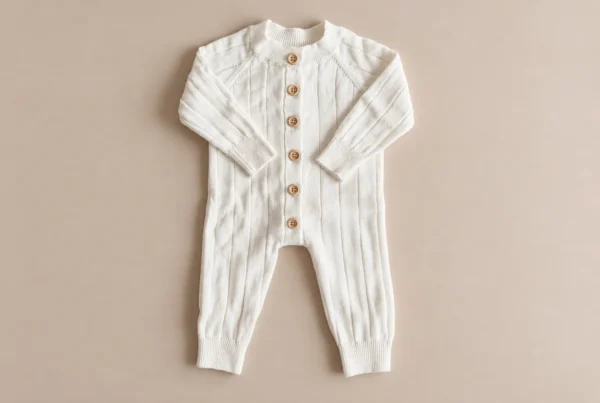

If you have a reference photo, a physical sample or a tech pack, that is enough to start. Send it and mark the parts of the look you want to keep. A factory can read a lot from an image: the size of the openings, how they sit, where the pattern falls. It cannot read the material, the hand feel, or how the openings look once the garment is on a body. Those parts get settled on a swatch or a first sample.
Can You Make an Open-Knit Sweater Like My Reference?
Start by showing which details you want to keep. The same photo may be a reference for its pattern, its see-through effect or its overall shape.
Mark four things on the image before you send it:
- Whether the openings look large or small, and whether they form an even grid or an irregular pattern.
- Whether the whole garment is open, or only the body, the sleeves or one panel.
- Which element matters most: the pattern itself, the amount of transparency, the silhouette, or the overall look at a distance.
- If you want the style changed, where to keep it and where to change it, marked in separate places rather than described in one sentence.
You do not need the stitch name to have this conversation. Circle the areas and write a short note beside each one: keep this, change that. The factory can then say which parts it can follow closely and which details need a knitted swatch before anyone answers with confidence.
Flat photos help show pattern placement; worn photos show fit and coverage. Send both if available. A physical sample helps the factory compare texture, thickness and hand feel. Provide any available labels or material specifications as well. If you have a tech pack, include its material, composition and measurement pages.
What Do I Need to Decide Before Sampling?
Before sampling, describe four things: coverage, surface, fit and the details that matter most.
Do you want the same see-through effect as the reference, or more coverage? Mark any areas that should differ from the rest. More coverage may also change the pattern, thickness or hand feel.
Do you prefer a soft, fuzzy surface or clear stitch lines? Yarn surface can change how sharp the openings look. Compare the proposed swatches for the effect you prefer.
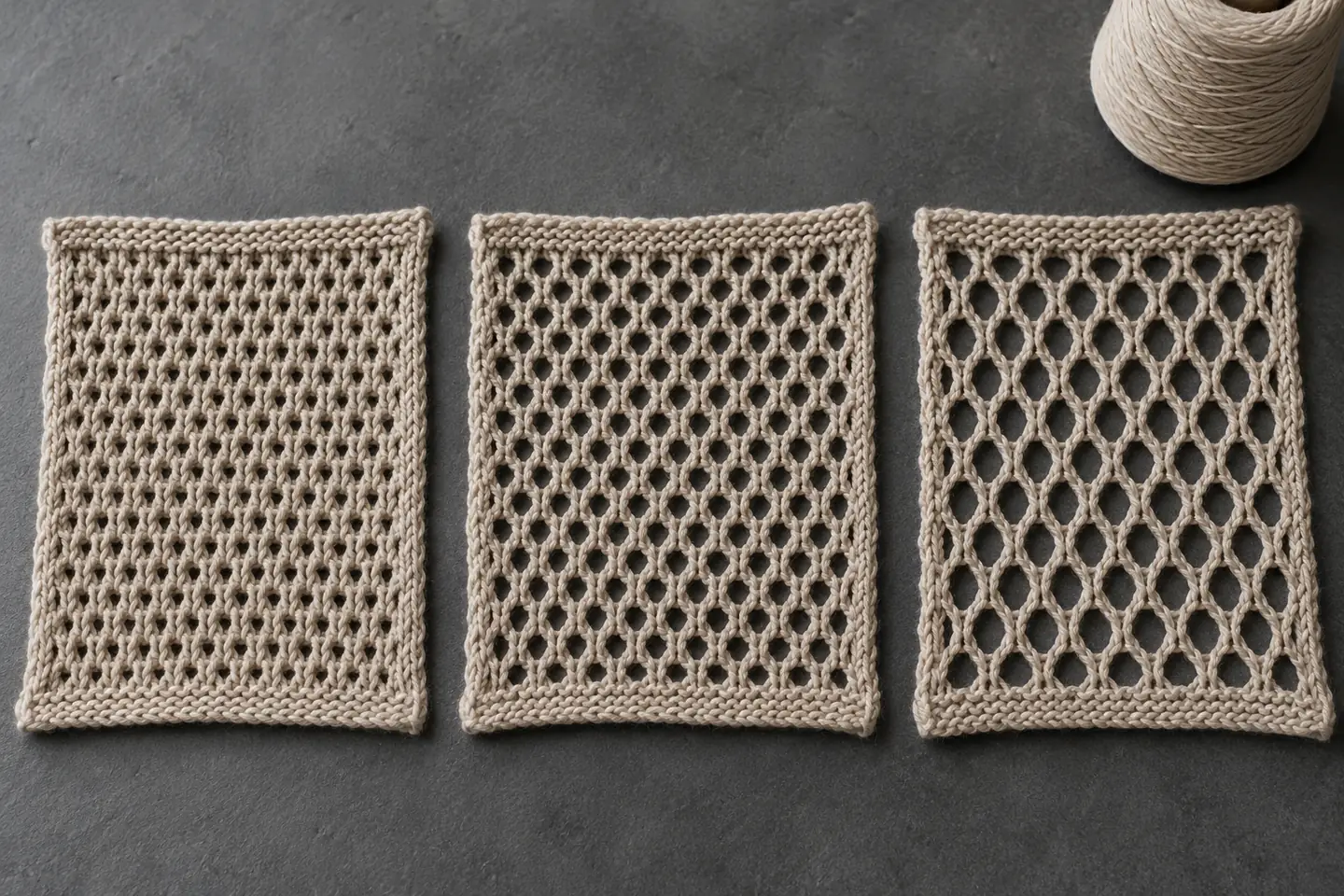
How should it fit: close, regular or loose? Check that against the reference. Stretch during wear can change how open the knit looks.
Which details must stay, and which can change? If pattern spacing matters more than the edge detail, tell the factory that priority.
Send any firm material, composition or measurement requirements with the reference. Ask the factory to explain options that respect those requirements. You approve the look and feel; the factory handles the technical choices.
What Should I Check on the First Sample?
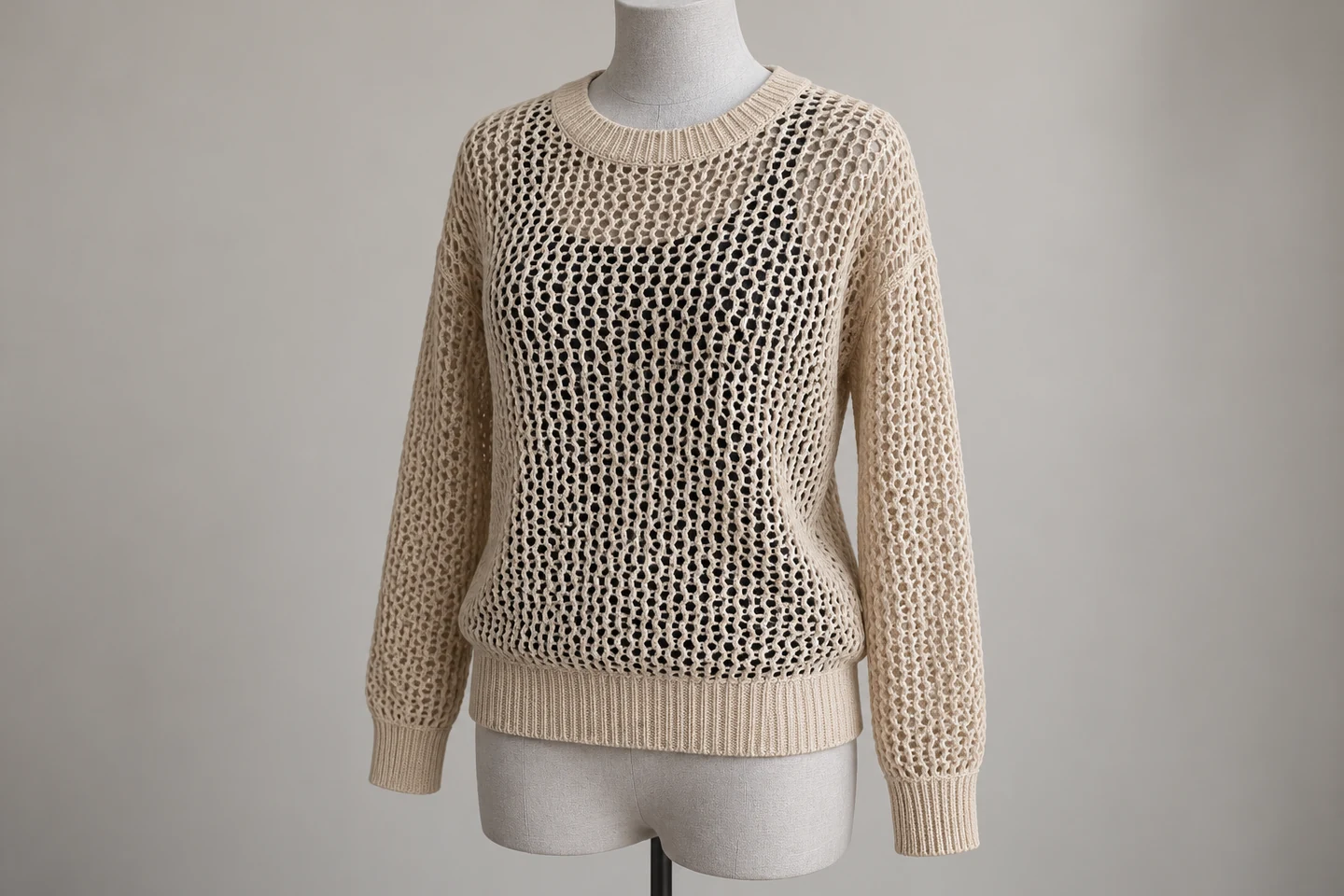
Compare the sample with the reference both flat and worn. Use these five points to identify any difference.
| What to compare | What you may notice | What to discuss with the factory |
|---|---|---|
| Mesh and pattern | Openings look too large, uneven or out of position. | Mark the difference against the reference and ask what adjustment the factory proposes. |
| Coverage when worn | The garment shows more than expected during normal movement. | Identify where coverage matters and what you intend to wear underneath. |
| Shape and edges | The body hangs too long, or edges wave, flare or pull. | Show the location and the shape you want. Ask the factory to review the cause. |
| Hand feel and weight | The sample feels too fuzzy, firm, heavy or light for the product. | Explain the result you want and ask how the options affect appearance and price. |
| Appearance across sizes | Another size changes the intended pattern, coverage or fit. | Identify the size and visible difference, then agree what needs another sample check. |
When something differs, mark the location and describe the result you want. For example: “The waist openings look larger than in my reference.” Let the factory explain the proposed adjustment.
Confirm measurements separately from pattern and coverage. A sample can be the right size and still look too open. Record what you have approved and any other sizes or colors that need review. The sample approval checklist covers wider checks, including trims and labels.
If you notice a pulled loop, broken yarn or running stitches, photograph the area and record when it happened. These details help the factory investigate the problem.
What Can Change the Price, and What Can I Simplify?
A quote is useful only when you know which material and garment specification it covers. The details can be in the quote or a clearly referenced attachment.
Compare the yarn, coverage, pattern placement, edges and seam requirements alongside the price. Ask the factory which differences change the development or production work.
For example, the budget may be tight while the pattern is the feature you most want to keep. Ask for the closest feasible version and an alternative that changes a lower-priority detail. Compare both prices and the visible differences before deciding.
Be clear about what may change, such as hand feel or an edge detail. A different yarn or fewer pattern zones will not necessarily lower the price. The factory needs to quote the actual options.
Two useful questions are:
- “If I want to keep this pattern, which details could we adjust?”
- “What materials and appearance does this quote cover, and how would they differ from my reference?”
Do not judge cost from how open the knit looks. The cost breakdown explains other parts of a knitwear quote.
What Should I Send for a Quote?
Send what you have. A preliminary review does not need a finished specification.
- The reference — photo, physical sample or tech pack — with the areas to keep and the areas to change marked.
- Your size range, the key measurements you already know, or a description of the silhouette you want.
- The quantity plan per style and per colour, plus any size breakdown you have already set.
- Your target delivery date.
- Any material, composition, hand feel or thickness requirement you have already fixed.
- The points you want the factory to advise on, listed separately so they do not get lost in the brief.
Mark what you have decided and what is still open. If the yarn is not chosen and the gauge is not set, say so. That is normal at this stage, and it tells the factory where to propose options instead of asking you for answers you do not have yet. If you are preparing a tech pack, the tech pack guide shows which sections carry the most weight in development.
The target date is for planning. Give it so the factory can say whether the window works and what it would take. Treat it as input to scheduling, not as a delivery commitment.
Custom Open-Knit Sweater FAQs
Can I start with a reference photo instead of a complete tech pack?
Yes. A photo is enough for a first assessment. Mark the look you want to keep, add the measurements and quantities you already have, and the factory can tell you what it can follow and which details remain unclear. The open questions get settled on a swatch or a sample, and the final price follows those decisions rather than the photo alone.
Do I need to choose the yarn and knitting gauge myself?
No. Describe the look, hand feel, intended use and budget, and ask the factory to explain suitable options. If your tech pack names a yarn or gauge, say whether it is a firm requirement or a reference. The factory should review feasibility before development; any change to a firm requirement needs your approval. Compare the proposed material on a swatch or sample.
Can you make the sweater less see-through while keeping a similar pattern?
It may be possible, but more coverage can change the original look. Smaller openings or a different yarn may make the knit less see-through, while also changing the pattern, hand feel or weight. Ask the factory which options suit your reference, then compare samples before choosing.
Will larger sizes look more see-through than smaller sizes?
Not necessarily. Larger sizes do not automatically need larger openings. Fit and stretch during wear also affect how much shows through. Ask the factory which sizes need checking for your fit and pattern, then compare the agreed samples for coverage and appearance.
If you are comparing open knit sweater manufacturers, send the reference, the quantity plan and the requirements you have already fixed. We will tell you what can follow the reference and which details are worth settling on a swatch first.