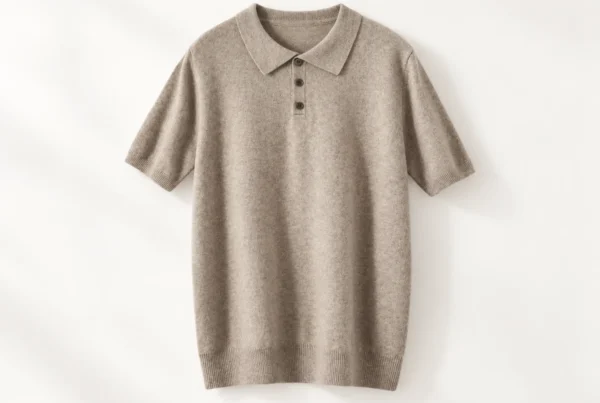

Seeing differences between a sweater sample and bulk production does not automatically mean the bulk is defective, but the differences should not simply be dismissed as normal. Yarn lots, machine settings, finishing and production conditions can all affect the finished result. For B2B buyers, the key is to define which approved references control production and which differences require investigation before the order moves forward.
Why Sample and Bulk Production Can Differ
A development sample and a bulk production run may be made under different production conditions. Changes in yarn lot, machine settings, stitch density, finishing conditions and production scale can affect the finished result.
These changes should not be treated as automatically normal. They should be judged against the approved specification, the approved reference sample, and the agreed acceptance criteria.
Six Reasons Sweater Samples Differ From Bulk Production
Common sources of sample-to-bulk variation include the following. Understanding them makes it easier to ask the factory the right questions instead of guessing where a problem started.
Yarn batch and dye lot.
A sample is usually knitted from a small quantity of one yarn lot. A bulk order may draw on a larger or different lot. Even yarn produced to the same specification can vary slightly in twist, hairiness or shade between batches. Color differences in particular are common enough that they deserve their own approval step — see our guide on knitwear color approval and shade bands.
Machine settings and stitch density.
Even on machines of the same gauge, stitch density can change with machine settings, yarn behavior, take-down tension and finishing. If these variables are not controlled against the approved reference, fabric weight, drape and finished measurements may shift. We cover how gauge influences these properties in our sweater gauge guide.
Operator and machine variation.
Minor differences can occur between machines or production runs and should be controlled through machine setup, production checks and comparison with the approved specification.
Linking and seaming.
During bulk production, linking and seaming may involve different operators or production conditions from the sample stage. Seam appearance should therefore be controlled against the approved workmanship reference and written specification. Where an initial production-piece review is part of the agreed quality plan, it can be used to confirm linking, measurements and overall appearance before production proceeds further.
Washing and finishing.
The sample and bulk may be processed under different load sizes, washing conditions, steaming or pressing conditions. If the finishing process changes, hand feel, drape and dimensions can also change.
Measurement and fit.
Bulk measurements should be evaluated against the agreed measurement specification and tolerance for each point of measurement. A single approved sample does not replace the written measurement specification.
 Acceptable Variation vs. Issues Requiring Review: A Sample-to-Bulk Checklist
 Acceptable Variation vs. Issues Requiring Review: A Sample-to-Bulk Checklist
The table below separates differences that may be acceptable within agreed criteria from those that require review or corrective action. The acceptable limits depend on your specification, so treat the table as a starting point to discuss with the factory rather than a universal rule.
| Area to Compare | May Be Acceptable if Within Agreed Criteria | Requires Review or Corrective Action |
|---|---|---|
| Color / shade | Slight shade shift inside the agreed color band | Clear off-tone, uneven dyeing, or a shade outside the approved band |
| Measurements | Differences within the tolerance written in your tech pack | Consistent over/under-sizing, or one point far outside tolerance |
| Stitch density | Minor variation that doesn’t change weight or fit | Noticeably loose or tight fabric that changes drape or weight |
| Hand feel | Minor variation that remains acceptable against the approved reference and finishing requirements | Materially different hand feel that suggests a change in yarn, washing or finishing and requires investigation |
| Seams and linking | Minor seam tension differences on close inspection | Puckered, uneven or weak seams; broken links |
| Trims and logo | Same trims, correct placement | Wrong trim, wrong color, or misaligned logo placement |
How a Knitwear Factory Controls Sample-to-Bulk Consistency
In our 20+ years of knitwear manufacturing, we have found that sample-to-bulk consistency is controlled through a sequence of checks rather than a single final inspection. The exact checkpoints vary by order, but a typical control flow may include the following:
- Yarn check before bulk. Confirm the approved yarn specification, color reference and the applicable bulk dye-lot approval requirement. If the production lot differs from the sample lot, review the required color or material approval before bulk use.
- Gauge and stitch-density confirmation. Confirm the specified gauge and stitch density against the approved reference. Where useful for the production plan, a swatch or panel can be reviewed before full production.
- First bulk piece review. Where required by the agreed production plan, review an initial production piece or first-off reference against the approved sample and written specification before production proceeds further.
- In-line inspection. Check panels during knitting and seams during linking so a tension or color problem is caught early instead of at the end.
- Bulk wash and finish test. Confirm that bulk washing and finishing follow the approved production process. Where dimensional-stability testing is required, evaluate it separately according to the agreed test method and dimensional-change acceptance criteria.
- Pre-shipment inspection. Check measurements, workmanship, labels and packing against the approved sample before the goods leave the factory.
This is the same logic behind our sweater quality control guide, applied specifically to the sample-to-bulk handoff.
What to Lock Down for the Sample-to-Bulk Handoff
 What to Lock Down for the Sample-to-Bulk Handoff
Approving a sample for production should mean approving two things together: the physical garment and the written specification and acceptance criteria that bulk will be checked against. Before you give the go-ahead, confirm the following.
- Approve the sample and the written specification together. A sample without an agreed specification and acceptance criteria leaves too much room for disagreement later. Keep the current revision of the written specification as the controlling written reference, together with the approved physical sample where applicable.
- Keep a reference sample. Some buyers and factories use a sealed or signed reference sample as part of the approval process. Where this system is used, the approved physical sample should be clearly identified and retained together with the current written specification.
- Confirm the bulk yarn lot. Confirm the approved yarn specification and the required approval route for the bulk dye lot or production lot. A sampling yarn lot may not always be the same physical lot used for bulk production.
- Agree how bulk color will be reviewed. Agree how bulk color will be reviewed against the approved physical reference, including any shade-band or lot-approval process required for the order.
- Record the measurement specification. Record the required measurement specification and tolerance for each key point, and agree any machine or stitch reference where relevant — see our sweater tech pack guide.
- Confirm dimensional-change requirements where applicable. If dimensional stability forms part of the approval criteria, confirm the applicable test method, wash/dry conditions and dimensional-change acceptance criteria. See our sweater shrinkage testing guide.
- Confirm trims, labels and packing. Confirm these details so bulk trims, labels and packing follow the approved specifications.
For the full garment approval process, refer to our sweater sample approval checklist.
Frequently Asked Questions
Is it normal for bulk sweaters to feel slightly different from the sample?
Small differences in hand feel can occur if yarn lot, washing, finishing or pressing conditions change between development and bulk. The result should be compared with the approved reference and the finishing requirements for the order rather than assumed to be acceptable automatically.
Why does the color look slightly different in bulk?
Bulk production may use a different production or dye lot from the development sample, depending on how the yarn is sourced and approved. Even yarn dyed to the same specification can land slightly lighter, darker or off-tone between lots. Where a shade band is used, approving it before bulk provides a clearer reference for evaluating lot-to-lot shade variation.
How much measurement difference is acceptable between sample and bulk?
There is no single number that fits every garment. The acceptable plus/minus depends on the garment type, the knit structure and your fit requirements, and should be recorded in the tech pack. Confirm the specific tolerances for each key measurement before approving bulk.
What is a sealed reference sample, and when is it useful?
A sealed or signed reference sample may be used when it forms part of the buyer’s approval system. The important point is that both sides know which physical sample and which written specification represent the current approved standard.
What should I do if the first bulk piece doesn’t match the sample?
Compare the piece with the approved sample and written specification first. If the difference is outside the agreed criteria, identify the cause and agree the appropriate corrective action before the affected production proceeds further.
Can a factory make bulk identical to the sample?
Bulk production should conform to the approved specification and reference sample, but expecting every garment to be a literal duplicate is unrealistic in knitted production. The practical goal is controlled consistency within the agreed material, measurement, color, construction and workmanship criteria.
Define Your Sample-to-Bulk Requirements Before Production
Send us your reference image or design drawing, tech pack, yarn and material preference, target quantity, size range and color requirements. Our team can review the project information and confirm which sample-to-bulk references and production details should be agreed before bulk production.