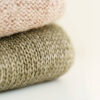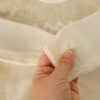
Pre-washing is a finishing step carried out after knitting to help the fabric relax before the product reaches the customer. It can reduce the dimensional change that appears during the first home washes and can also affect hand feel and surface appearance. However, the result depends on the yarn, knit structure, wash conditions and drying method, so buyers should confirm the finished measurements and care method on an approved sample before bulk production.
How much a knitted baby blanket changes during finishing depends on the yarn, knit structure, washing conditions and drying method.
What Pre-Washing Does to a Knitted Baby Blanket
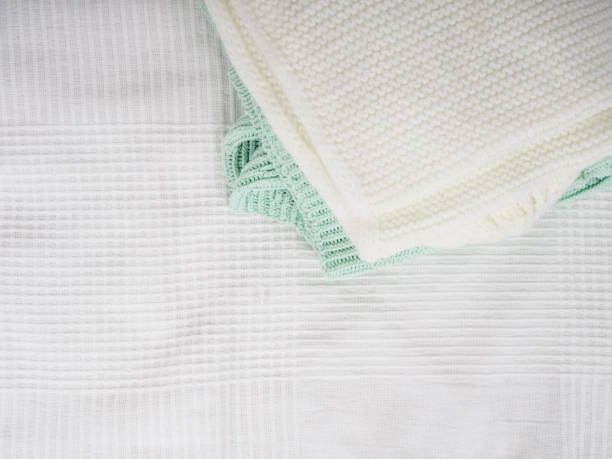
Pre-washing takes place after knitting and before the blanket is finally measured and packed. During washing, the yarn and knitted loops can relax, which may change the size and shape of the blanket. Doing this at the factory gives the structure a chance to settle before final checking.
Pre-washing can reduce some of the size change that might otherwise happen during the customer’s first washes. It can also change the hand feel and surface appearance, but it cannot prevent all future shrinkage or movement. It does not deliver zero shrinkage, it does not make a product stable for good, and it does not replace an agreed care test and final inspection.
Pre-washed and pre-shrunk are not the same thing. Pre-washed means the blanket has already been washed as part of the finishing process. Pre-shrunk usually means the fabric or product has been treated to reduce later shrinkage. Neither term means that no further dimensional change can occur.
How Pre-Washing Fits Into the Finishing Process
The wash is only one part of the finishing process. Knitting, drying and final finishing can all affect the result.
| Stage | What Happens | Why It Matters |
|---|---|---|
| Knitting | The blanket is knitted to the required construction and dimensions. | The structure may still change during finishing. |
| Pre-washing | The knitted blanket is washed under controlled conditions. | This allows the yarn and loops to relax before final checking. |
| Drying and finishing | The blanket is dried and finished using the agreed process. | Drying conditions affect final measurements, hand feel and appearance. |
| Final measurement | The finished blanket is measured after conditioning or resting, as agreed. | Buyer and factory can compare the result with the approved specification. |
Drying conditions can affect the final measurements and hand feel of a knitted blanket. The factory should control the drying method used for the approved sample and bulk production so the finishing result is more consistent. Using the same drying method for the approved sample and bulk production helps reduce variation, but it cannot remove it completely.
What Pre-Washing Can and Cannot Control
Dimensional Change
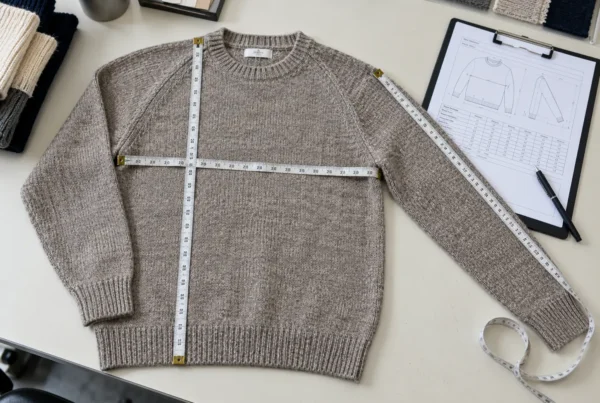
An unwashed knitted cotton blanket may change in size during the first wash as the yarn and knitted structure relax. The amount of dimensional change varies with the yarn, stitch structure, gauge, finishing and care conditions, which is why a single figure does not apply to every blanket.
Pre-washing can reduce the amount of change that appears in the customer’s wash, but it cannot eliminate it. The buyer and factory should agree on how dimensional change will be checked for that particular blanket. This includes:
- Which measurements are checked.
- How those measurements are taken.
- The care or washing condition used for the check.
- When the measurements are taken.
- What acceptance limit applies to that product.
Hand Feel
Pre-washing can change how a knitted blanket feels by relaxing the knit and removing some residues from production. The result varies by yarn and wash process, so buyers should judge the hand feel from the finished sample rather than assume that every “pre-washed” blanket will feel the same.
Appearance and Shape
Washing and drying can also affect how the surface and edges of a knitted blanket look. Check the finished sample for changes in shape, edges and surface appearance after the agreed washing and drying process. Bulk production should use the same finishing conditions.
Pre-Washed vs. Unwashed Knitted Blankets
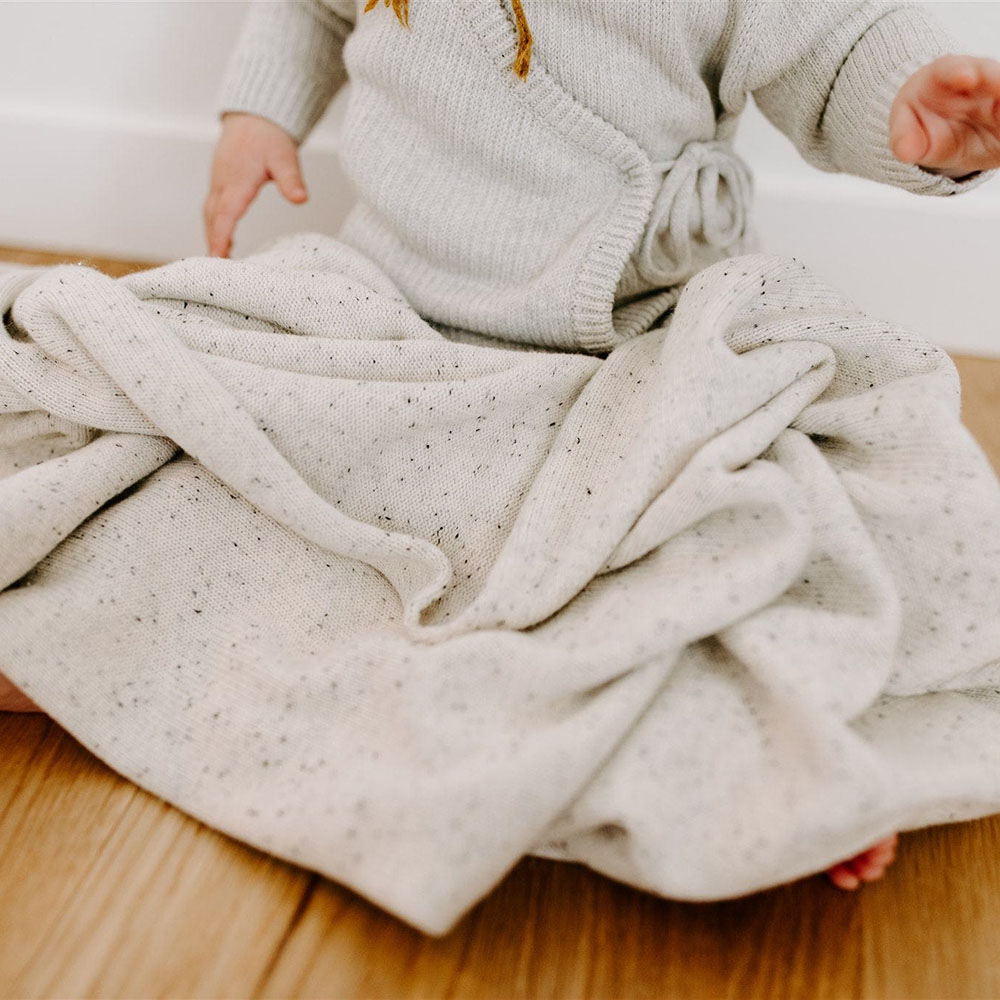
Pre-washed and unwashed blankets can both be made to a buyer’s specification. The main difference is when the first major wash takes place and what can be checked before shipment.
| Factor | Unwashed Blanket | Pre-Washed Blanket | What Buyers Should Check |
|---|---|---|---|
| First-wash dimensional change | More dimensional change may appear during the customer’s first washes. | Part of the structural relaxation has already taken place during finishing. | Measure the approved sample before and after the agreed care test. |
| Hand feel | The hand feel may change after the customer washes and uses the blanket. | Hand feel can already reflect the chosen wash and finishing process. | Approve hand feel on the finished sample. |
| Appearance | Surface and shape may change more noticeably after the first washing. | The factory can review the surface and shape after washing before shipment. | Check shape, edges and surface after the agreed wash and dry process. |
| Process consistency | The product reaches the customer without this factory pre-wash step. | The factory controls an additional washing and drying step. | Confirm the same finishing process is used for sample and bulk. |
Unexpected dimensional change after washing can affect the blanket’s size, shape and appearance. Pre-washing lets the buyer review those changes before bulk production, but it does not replace an agreed care test and final inspection.
Shrinkage Test and Measurement Tolerance Are Not the Same Thing
Both subjects come up in the same conversation, and they are often described as if they were one requirement. They are not.
- Measurement tolerance describes how far a finished measurement may differ from the specification.
- Dimensional change or shrinkage describes how much a measurement changes after an agreed wash or care process.
They are checked at different times. A blanket can meet its finished measurements before packing and still change size after washing. For that reason, the acceptance limit for dimensional change should be defined separately from the measurement tolerance written into the specification. For more detail on how measurement tolerance is defined and checked in knitwear, see our sweater measurement tolerance guide.
What Buyers Should Confirm Before Bulk Production
Before bulk production, buyers should confirm five things.
1. Confirm the finished sample. The approved sample should go through the intended washing and drying process before bulk approval.
2. Define how dimensional change will be checked. Agree which measurements are recorded before and after washing and what acceptance limit applies to the product.
3. Confirm the care method. The wash temperature, drying method and other care conditions used for testing should match the agreed product requirements. If you have a specific wash-test method you need followed, raise it before sampling and include it in the product specification.
4. Confirm washing and finishing requirements. If the brand restricts detergents, softeners or finishing agents, include those requirements in the specification before sampling, and ask what washing and finishing agents will be used for the project.
5. Keep the finishing process consistent. Bulk production should follow the same washing and drying process used for the approved sample unless the buyer and factory agree otherwise.
Conclusion
Pre-washing gives the blanket a chance to relax before packing, but it does not mean every blanket will shrink by the same amount or stop changing after later washes. The result depends on the yarn, knit structure, washing conditions and drying method.
Before placing the bulk order, check the finished sample after the intended wash and drying process and make sure the bulk finishing method is clear. For more product options, see our custom baby blanket category.
If you are developing a knitted baby blanket, send us your design, yarn preference, size requirements and intended care method. Send us the blanket size, yarn preference, design and intended care method, and we can discuss how to prepare the sample and finishing process for your order. You can reach our team through the contact page.