When sourcing premium cashmere knitwear, wholesalers and apparel brands need to look beyond softness and appearance. A cashmere sweater may feel luxurious during sampling but develop excessive pilling, stretched cuffs, or distorted hems after repeated wear and washing. For B2B buyers, evaluating yarn quality, knit gauge, fabric construction, and shape retention helps reduce avoidable quality risks before bulk production.
Cashmere is valued for its fine fibers, soft hand feel, and ability to provide warmth without excessive weight. However, these benefits depend on more than fiber content alone. Yarn selection, spinning, knitting structure, finishing, garment design, and care instructions all influence the final product.
This guide explains how to assess premium cashmere sweaters from a buyer’s perspective. It also highlights why ribbed cuffs and hems matter, how to evaluate pilling risk, and which checks to complete before approving a wholesale order.
1. What Defines Premium Cashmere Knitwear?
Premium cashmere knitwear combines suitable fiber quality with thoughtful yarn engineering, consistent knitting, and appropriate finishing. No single specification guarantees superior performance across every garment style.
Assess Fiber Quality Beyond the Cashmere Label
A label stating “100% cashmere” identifies the declared fiber composition. It does not automatically establish fiber length, fineness, yarn quality, or resistance to pilling.
For wholesale purchasing, ask suppliers about the available fiber specifications and yarn sourcing. Where relevant, request information about fiber diameter, staple length, yarn count, ply, and spinning method.
These factors influence the final garment in different ways:
- Fiber fineness: Finer fibers can contribute to a softer hand feel, although softness also depends on yarn and finishing.
- Fiber length: Longer fibers can remain better anchored within the yarn, potentially reducing fiber release and pilling.
- Yarn construction: Spinning, twist, and ply affect yarn strength, bulk, surface character, and drape.
- Finishing: Washing, brushing, and other treatments influence the garment’s initial softness and appearance.
Buyers should avoid relying on a supplier’s grade label alone. Cashmere grading terminology can vary between suppliers, so written specifications and approved samples provide a more useful basis for comparison.
Check Whether Softness Lasts Beyond the First Touch
Softness is an important selling point, but an exceptionally soft sample does not automatically indicate durable quality.
Brushing and other finishing processes can create a plush surface. However, surface treatments may also change how the garment feels and looks after washing and wear.
During sampling, assess softness alongside fiber shedding, surface fuzz, fabric thickness, and recovery after gentle stretching. If possible, compare the approved sample before and after the agreed care test.
The goal is not to find the softest garment at any cost. It is to find a suitable balance between softness, warmth, appearance, and expected service life.

2. Understanding Cashmere Knit Gauge and Fabric Density
Gauge is an important selection factor when sourcing cashmere sweaters. However, buyers should understand what it measures before using it to compare products.
What Does Gauge Mean in Cashmere Knitwear?
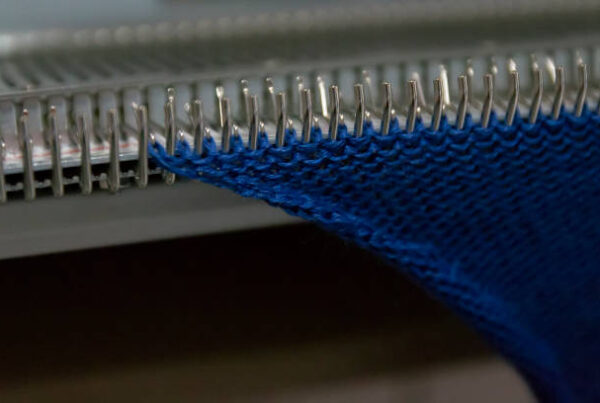
In knitting, machine gauge generally refers to the number of needles per unit of machine width. In commercial product discussions, buyers may also encounter descriptions such as 7-gauge, 12-gauge, or 16-gauge knitwear.
A finer gauge generally supports smaller stitches and finer-looking knit structures, while a coarser gauge often produces more visibly textured stitches. Actual fabric density and performance also depend on yarn thickness, stitch length, machine setup, and knitting structure.
Therefore, gauge alone does not tell buyers whether a sweater is warmer, softer, heavier, or more durable.
How to Choose Gauge for Different Product Positions
| Product Positioning | Typical Construction Direction | What Buyers Should Check |
|---|---|---|
| Fine-gauge lightweight sweater | Smaller stitches and a refined surface | Opacity, drape, fabric coverage, and resistance to distortion |
| Mid-gauge everyday sweater | Balanced visual texture and coverage | Comfort, shape recovery, surface consistency, and versatility |
| Chunky cashmere sweater | Larger stitches and more pronounced texture | Weight, loop stability, seam construction, and stretching under garment weight |
These are general design directions rather than fixed technical rules. The appropriate gauge depends on the target silhouette, yarn specification, season, and intended retail price.
Evaluate Fabric Density Instead of Relying on Gauge Alone
Two sweaters made on the same gauge machine can behave differently because they use different yarns or stitch settings.
During sample inspection, examine whether the loops appear consistent and whether the fabric shows unwanted gaps, uneven tension, or local distortion. Hold the garment against a consistent light source if you need to compare coverage between samples.
Some lightweight cashmere designs intentionally use open structures. Such construction is not automatically defective. The question is whether the fabric matches the approved design and performs as expected for its intended use.
For repeat orders, record the approved gauge, yarn specification, stitch structure, garment measurements, and relevant visual standards. These details provide a clearer production reference than a general instruction to use “high-quality cashmere.”
3. Cashmere Softness and Lightweight Warmth: What Should Buyers Evaluate?
Cashmere is popular in premium knitwear because fine fibers can create a soft, comfortable fabric with useful insulation. However, warmth does not depend on fiber fineness alone.
Balance Softness, Loft, and Fabric Weight
A cashmere sweater’s warmth depends on several interacting factors, including fiber properties, yarn structure, fabric thickness, trapped air, fit, and layering conditions.
A lightweight sweater may work well under a jacket or as transitional-season clothing. A denser or loftier construction may better suit colder conditions, depending on the garment’s design.
When reviewing samples, consider:
- Fabric weight: Does it match the target market and product category?
- Hand feel: Does the surface feel comfortable without excessive loose fibers?
- Loft and coverage: Does the structure provide the intended level of insulation and opacity?
- Drape: Does the sweater hang naturally without looking limp or excessively rigid?
- Wearability: Does the construction suit the intended fit and layering use?
A lighter sweater is not necessarily lower quality, and a heavier sweater is not automatically warmer in every situation. Buyers should assess the complete construction against the product brief.
Watch for Excessive Surface Fuzz and Shedding
Some surface fuzz can occur in cashmere knitwear, especially when loose fibers move toward the fabric surface during early wear. However, excessive shedding or persistent heavy pilling deserves investigation.
Inspect the sample under consistent lighting and compare it with other products made to similar specifications. A gentle surface-rub check can reveal loose fibers, but it cannot replace a standardized pilling test.
Do not reject a garment based on a single informal test alone. Instead, combine visual inspection with supplier documentation and agreed performance testing.
4. Cashmere Pilling Resistance: How to Reduce Wholesale Quality Risks
Pilling occurs when fibers emerge from the yarn, become entangled through friction, and form small balls on the fabric surface. Cashmere knitwear can pill because of its fine fiber structure, but the extent varies by material, construction, finishing, and use.
For wholesale buyers, the objective is not to demand a blanket guarantee of zero pilling. It is to define acceptable performance for the intended product.
Understand the Main Factors Behind Cashmere Pilling
Several factors can influence pilling behavior:
Fiber characteristics: Fiber length and distribution affect how securely fibers remain within the yarn.
Yarn construction: Spinning method, yarn count, twist, and ply influence surface behavior. No single yarn construction eliminates pilling in every application.
Knit structure: Stitch geometry, loop length, and fabric construction affect how the surface responds to friction.
Finishing: Brushing, washing, and other finishing treatments can change surface appearance and loose-fiber behavior.
Wear conditions: Underarms, side seams, cuffs, and areas exposed to bags or repeated contact often experience more friction.
A study included in Nottingham Trent University’s research on clothing longevity investigated severe pilling in luxury cashmere knitwear. It illustrates why buyers and manufacturers should examine the production process rather than attribute every pilling issue to one material factor.
Use a Defined Pilling Test for Bulk Orders
An informal hand-rub test can help screen samples, but results vary with pressure, duration, and handling. Buyers should agree on a suitable laboratory method when pilling resistance is a key acceptance criterion.
For example, ISO 12945 series methods cover approaches to determining fabric surface pilling, fuzzing, and matting. The specific method and testing conditions should be selected for the product and agreed between buyer and supplier.
Before approving a bulk order, confirm:
- The test method and applicable edition.
- The specimen preparation and test conditions.
- The rating scale and minimum acceptance level.
- Whether testing applies to the finished garment or fabric swatches.
- The procedure for investigating samples that fail the agreed requirement.
A pilling rating is not a guarantee of identical results in every real-world wear situation. It should be interpreted alongside fabric construction, intended use, and the agreed quality standard.
Distinguish Normal Pilling From a Quality Concern
Some initial pilling does not automatically mean a cashmere sweater is defective. However, excessive or persistent pilling may indicate that the product does not meet the buyer’s expected performance.
Record where the pilling occurs, how soon it appears, and whether the garment has been washed according to its care instructions. Compare the results with the approved sample and any laboratory test report.
This process helps buyers discuss quality issues using evidence rather than relying on subjective descriptions such as “too fuzzy” or “not premium enough.”
5. Why Ribbed Cuffs and Hems Matter for Shape Retention
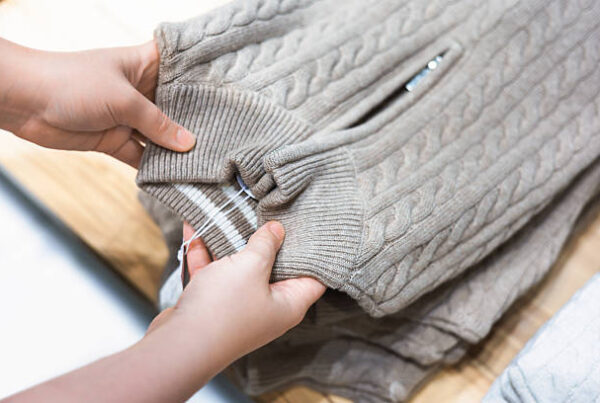
Ribbed cuffs and hems are common features in cashmere knitwear because their knitted structure can provide useful stretch and recovery. They also help define the garment’s silhouette.
However, ribbing does not automatically prevent deformation. Its performance depends on stitch structure, yarn properties, dimensions, finishing, and the way the garment is worn and cared for.
How Ribbed Cuffs Help Sleeves Retain Their Shape
Sleeve cuffs experience repeated stretching when wearers put on garments, roll up sleeves, or move their hands and arms.
A well-designed ribbed cuff can stretch to accommodate movement and recover afterward. If the cuff is too loose, too long, or poorly constructed, it may gradually lose its intended fit.
During sample evaluation, check whether the cuffs:
- Stretch comfortably without excessive resistance.
- Recover after repeated gentle stretching.
- Match the approved sleeve opening and cuff dimensions.
- Show consistent rib spacing and tension.
- Remain visually balanced between the left and right sleeves.
These checks help buyers assess both functional recovery and appearance.
How Ribbed Hems Support Garment Shape
The hem influences how a sweater sits around the waist or hips. Its construction affects the garment’s outline and the way the body fabric hangs.
A ribbed hem can provide controlled stretch and a more defined edge. However, excessive tension may cause unwanted gathering, while insufficient recovery may allow the hem to flare or sag.
For wholesale samples, inspect the hem both when the garment is laid flat and when it is worn on a suitable fit model. Compare the finished dimensions with the technical specification.
The hem should complement the intended silhouette rather than simply feel tight.
Check Rib Recovery After Washing
Shape retention should be evaluated after the garment has undergone the agreed care process. Washing, moisture, mechanical action, and drying methods can affect garment dimensions and recovery.
For a more reliable assessment, record the original measurements of the body, sleeves, cuffs, and hem. After washing and drying according to the specified method, repeat the measurements and compare the results.
The test should follow the care instructions intended for the finished product. Hand-wash cashmere and machine-washable cashmere may require different evaluation procedures.
A ribbed edge that looks excellent in an unwashed sample may behave differently after care. Testing helps buyers identify this risk before production approval.
6. A Practical Quality Inspection Checklist for Cashmere Knitwear Buyers
A consistent inspection process makes it easier to compare suppliers and approve products for bulk production.
| Inspection Area | What to Check | Recommended Evidence |
|---|---|---|
| Fiber and yarn | Declared composition, yarn specification, and consistency | Supplier specifications and approved yarn information |
| Gauge and structure | Consistent stitches, loop appearance, and fabric coverage | Technical specification and approved sample |
| Softness and surface | Hand feel, loose fibers, and excessive fuzz | Sample comparison under consistent conditions |
| Pilling resistance | Surface changes after the agreed test | Test report using the specified method |
| Shape retention | Body, sleeve, cuff, and hem measurements | Before-and-after care measurements |
| Ribbed details | Stretch, recovery, symmetry, and edge appearance | Sample inspection and dimensional records |
| Finishing | Seams, linking, loose ends, and visible defects | Finished-garment inspection |
| Care and labeling | Accurate care instructions and fiber composition | Approved label artwork and compliance review |
Approve a Reference Sample Before Bulk Production
A reference sample creates a common standard for the buyer and manufacturer. It should reflect the agreed yarn, gauge, color, measurements, construction, and finishing.
If the manufacturer changes yarn sourcing, stitch settings, finishing methods, or other material production parameters, the buyer should assess whether the change affects the approved requirements.
For larger orders, consider pre-production approval and an agreed inspection plan. This is particularly useful when multiple colors, sizes, or styles share similar specifications but use different materials or constructions.
Define Acceptance Criteria Before Ordering
Terms such as “luxury feel,” “premium softness,” and “excellent shape retention” can mean different things to different people.
Convert these descriptions into clear requirements wherever possible. Examples include approved measurements, acceptable visual appearance, a specified pilling test, and agreed dimensional-change limits.
Acceptance limits should be appropriate to the product and agreed before production. Avoid applying a universal shrinkage or pilling threshold to every cashmere style without considering the construction and care route.
7. Frequently Asked Questions
Q1: Does a Higher Gauge Always Mean Better Cashmere Knitwear?
No. Gauge describes a knitting-machine specification, not an overall quality grade.
Finer-gauge knitwear can create a refined appearance, while coarser gauges can suit textured or chunky styles. Yarn properties, stitch settings, fabric coverage, and finishing all influence the final result.
Buyers should select gauge according to the product design and assess the finished fabric rather than ranking products by gauge alone.
Q2: Should Premium Cashmere Knitwear Never Pill?
No. Cashmere knitwear can develop some pilling during wear because friction causes fibers to emerge and become entangled.
The amount varies with fiber properties, yarn construction, knitting structure, finishing, and use. Buyers should establish an appropriate pilling performance requirement and verify it through an agreed test method.
Q3: Do Ribbed Cuffs and Hems Prevent Sweaters From Stretching Out?
Ribbed cuffs and hems can support stretch and recovery, but they do not guarantee permanent shape retention.
Their performance depends on yarn, stitch structure, dimensions, finishing, and care. Buyers should inspect the ribbed sections before and after the specified washing process.
Q4: What Is the Best Way to Test Cashmere Shape Retention?
Start by recording key garment measurements, including body length, chest width, sleeve length, cuff opening, and hem width.
Then apply the agreed care method, dry the garment as specified, and repeat the measurements under consistent conditions. Compare the dimensional changes against limits agreed before production.
Q5: What Should Wholesalers Ask a Cashmere Knitwear Manufacturer Before Placing a Bulk Order?
Ask for yarn specifications, gauge and construction details, sample approval procedures, pilling test options, dimensional-stability requirements, care instructions, and quality-control arrangements.
Also clarify minimum order quantities, available colors and sizes, production lead times, and how material or construction changes will be managed. Clear requirements help both parties align product expectations before bulk production begins.
Conclusion: Evaluate Cashmere as a Complete Knitwear System
Premium cashmere knitwear should be evaluated through a combination of fiber characteristics, yarn construction, gauge, softness, fabric coverage, and garment recovery. No single attribute can reliably predict the complete product’s performance.
For wholesalers and apparel brands, the key is to connect each quality expectation to an appropriate inspection or test. Gauge should match the design, softness should be assessed alongside surface stability, and pilling should be evaluated using agreed criteria. Ribbed cuffs and hems deserve particular attention because their stretch and recovery influence the garment’s long-term appearance.
Before approving a bulk order, compare samples against written specifications and evaluate shape retention after the intended care process. This creates a more objective foundation for supplier selection and quality control.
For HDL’s custom knitwear projects, buyers can begin by defining the target style, gauge, yarn requirements, and acceptable performance criteria. A clear technical brief and approved reference sample help establish a consistent standard from development through bulk production.