Sweater sample development is the critical bridge between a brand’s creative vision and a successful production run. For B2B brands sourcing from OEM manufacturers, the sample phase determines fit, yarn behavior, stitch quality, and overall commercial viability. Skipping steps here costs money at scale. Investing in a structured sample development process protects your margins, shortens your lead time, and ensures your finished knitwear matches the original design intent.
This guide walks B2B fashion buyers, sourcing managers, and brand founders through every stage of sweater sample development, from technical sketch to bulk-ready prototype. Whether you are launching a private label line or scaling an existing collection, these steps apply to any OEM or ODM partner relationship.
Why Sweater Sample Development Matters in B2B Production
Samples are not just prototypes. They are decision-making tools. A well-executed sample development process lets you validate yarn performance, confirm sizing tolerances, and lock construction methods before committing to a full production order. For B2B buyers, samples reduce risk in three measurable ways:
- Material confirmation – You see and feel the exact yarn weight, hand-feel, and drape.
- Construction validation – Gauge, stitch tension, and seam finishes get tested under real conditions.
- Cost calibration – Final yarn consumption, knitting time, and labor inputs become accurate, not estimated.
Additionally, samples give your merchandising and marketing teams a tangible product for photoshoots, line sheets, and buyer presentations. Selling pre-orders before production becomes far easier when you hold a real garment in your hands.
The 5 Stages of Sweater Sample Development
Most professional OEM manufacturers follow a five-stage sample development workflow. Each stage has a clear deliverable, a cost, and a timeline. Knowing this framework helps you plan budgets and communicate effectively with your factory.
Stage 1: Design Brief and Technical Sketch
Every successful sweater sample starts with a clear design brief. This document translates your creative idea into factory-readable specifications. A strong brief includes:
- Reference images or mood boards
- Flat technical sketches (front, back, side views)
- Measurements for each size in the grade
- Yarn type, blend, and weight
- Stitch gauge (e.g., 7gg, 12gg, 14gg)
- Trims, buttons, labels, and packaging notes
For first-time collaborations, the more detail you provide, the fewer sample rounds you will need. HDL Fashion supports clients at this stage with in-house technical designers who can convert rough sketches into CAD-ready spec sheets.
Stage 2: Yarn Sourcing and Hand Knitting
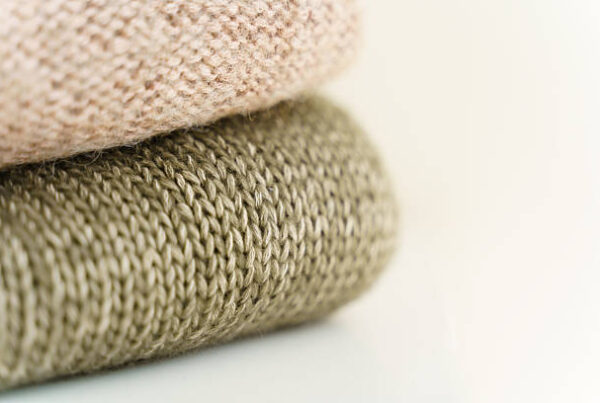
Once the brief is approved, the factory sources yarn and creates a hand-knitted swatch. This swatch, usually 20cm x 20cm, tests the yarn’s behavior on the chosen gauge. The factory checks stitch definition, recovery, pilling tendency, and color accuracy against your reference.
Yarn sourcing typically takes 7 to 15 days, depending on whether the yarn is in stock or custom-spun. Stock yarns from Chinese mills are faster and cheaper. Custom-spun yarns give you exclusive colorways and blends but require longer lead times and higher minimums.
Stage 3: First Sample (Proto Sample)
The first sample, also called a proto sample, is the first fully knitted garment in your chosen size. It is produced on a flat knitting machine or computerized knitting system based on your spec sheet. Typical production time is 7 to 14 days after yarn arrives.
The proto sample answers these questions:
- Does the silhouette match the sketch?
- Are the measurements within tolerance?
- Is the stitch gauge correct?
- Do the trims and finishing details look right?
Expect 2 to 4 sample rounds for a new design. Simple styles may need only 2 rounds, while complex intarsia, cable, or jacquard patterns often require more iterations.
Stage 4: Fit Sample and Revisions
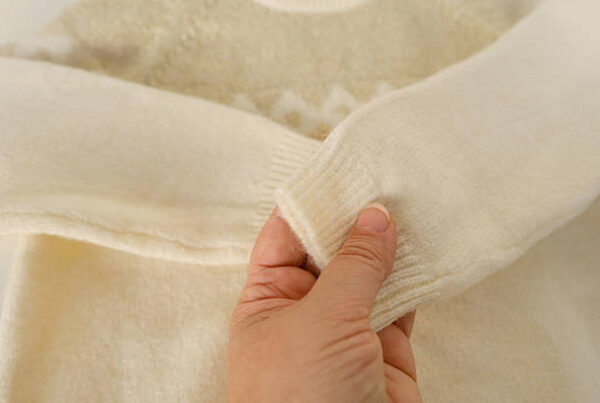
Once the proto passes structural review, the factory produces a fit sample, usually in the full size run (XS to XL or per your grading). Fit samples are sent to you for try-on, photo review, or fitting on a dress form. You evaluate drape, comfort, range of motion, and proportion.
Submit your revisions in a single, consolidated document. Mixing small changes across multiple emails creates confusion and adds rounds. Group comments by garment area (sleeves, body, neckline) and reference measurement points clearly.
Stage 5: Pre-Production Sample (PP Sample)
The pre-production sample, or PP sample, is the final reference before bulk production begins. It uses bulk yarn, the production knitting machine, and your approved factory floor. The PP sample represents what you will receive in production at scale.
Sign off on the PP sample in writing. This protects both parties if a dispute arises later. Most OEM manufacturers require written PP approval before cutting bulk yarn orders.
Sample Development Costs and Timelines at a Glance
Sample fees vary based on design complexity, yarn cost, and the number of rounds. The table below summarizes typical ranges for B2B sweater sample development with a Chinese OEM manufacturer.
| Sample Type | Typical Cost (USD) | Lead Time | Purpose |
|---|---|---|---|
| Hand-knit swatch | $15 – $40 | 5 – 7 days | Yarn and stitch validation |
| Proto sample (1 pc) | $80 – $200 | 10 – 14 days | Design and structure review |
| Fit sample (full size set) | $300 – $700 | 14 – 21 days | Fit and grading check |
| Pre-production sample | $100 – $250 | 7 – 14 days | Final sign-off |
| Counter sample (duplicate) | $50 – $120 | 5 – 10 days | Reference for QC team |
Many OEM factories refund sample fees once a bulk order reaches a certain MOQ, typically 300 to 500 pieces per style. Discuss this refund policy upfront.
Internal vs. External Sample Coordination
Some B2B brands develop samples in-house, while others rely entirely on their OEM partner. Each approach has trade-offs.
Full-Service OEM Sample Development
You provide the design brief. The factory handles yarn sourcing, knitting, linking, and finishing. This approach suits smaller brands without technical staff and is the standard model at HDL Fashion. Turnaround is faster because the factory controls the entire process.
Collaborative Sample Development
Your in-house designer or freelance technician works alongside the factory’s sample room. This gives you more design control and is common for heritage brands or technical performance knitwear. However, it adds 2 to 3 weeks of coordination time.
Design-Led Sample Development
You develop the sample in your home country, then hand off a fully finished reference sample to the factory for reverse engineering and bulk production. This is the most expensive option but offers the highest creative fidelity. It works well for couture-inspired or technically complex pieces.
Common Sweater Sample Development Mistakes
Even experienced brands make sample development errors that cost time and money. Avoid these frequent pitfalls:
- Skipping the hand-knit swatch – Going straight to a proto sample can result in a beautiful garment made from the wrong yarn.
- Vague measurement specs – “Medium fit” is not a specification. Use a measurement chart with tolerances.
- Unrealistic sample timelines – Allow at least 30 days for first proto to PP sample for a new design.
- Not testing yarn wash performance – Some yarns shrink or pill dramatically after washing. Test before approving.
- Ignoring seasonal yarn availability – Sourcing mohair or merino in peak season (August to October) often means higher prices and longer waits.
Moreover, never skip a counter sample. The counter sample is the physical reference your QC team uses on the production floor. Without it, inspectors rely on photos, which miss subtle defects.
How Technology Improves Sample Development in 2026
Modern B2B knitwear sourcing benefits from digital tools that shorten sample cycles and reduce errors. Leading OEM manufacturers now use:
- 3D knit simulation software – Visualize drape and fit before knitting a single stitch.
- Computerized knitting machines – Whole-garment knitting reduces seaming and improves fit precision.
- Digital color matching – Spectrophotometers ensure color consistency across yarn lots.
- Cloud-based sample tracking – Clients see real-time sample status, photos, and measurement sheets online.
HDL Fashion has integrated these tools into its sample development workflow, allowing clients to review and approve samples remotely with full transparency.
Choosing the Right OEM Partner for Sample Development
The quality of your sample development experience depends heavily on your OEM partner’s sample room capability. When evaluating factories, ask these questions:
- How many sample technicians are on staff, and what is their average experience?
- What knitting machines are available (7gg, 12gg, 14gg, whole garment)?
- Can the factory source custom yarn and develop custom colors?
- What is the typical sample development timeline for a new design?
- Do you provide written sample approvals and counter samples?
- Are sample fees refundable on bulk orders?
A factory that answers these questions clearly, with documentation and examples, is more likely to deliver consistent sample quality throughout your partnership.
Sample Development Checklist for B2B Buyers
Use this checklist to keep your sample development process on track:
- Finalize the design brief with all measurements, yarns, and trims specified
- Approve the hand-knit swatch for yarn and color
- Review the proto sample for structure and silhouette
- Conduct a fit test on a model or dress form in the full size run
- Submit all revisions in a single, organized document
- Test the fit sample for wash performance and colorfastness
- Approve the pre-production sample in writing
- Request a counter sample for QC reference
- Confirm sample fee refund terms with your factory
Following this checklist reduces sample rounds, controls cost, and ensures your bulk production starts on solid ground.
Final Thoughts on Sweater Sample Development
Sweater sample development is the most controllable cost and timeline in your entire B2B production cycle. Brands that invest in a structured sample process consistently ship higher-quality knitwear, on time and on budget. Those that rush the sample phase almost always pay for it later in rework, claims, or missed retail windows.
If you are evaluating OEM or ODM partners for your next sweater collection, prioritize factories with strong sample rooms, transparent communication, and proven B2B workflows. A great sample experience is the strongest leading indicator of a great production experience.
For a deeper look at yarn selection before sampling, see our complete guide to sweater yarn materials. To understand how sample quality translates into bulk quality, review our sweater quality control inspection standards. For industry-standard certifications that validate a factory’s sample and production processes, the OEKO-TEX and WRAP programs are excellent external references.