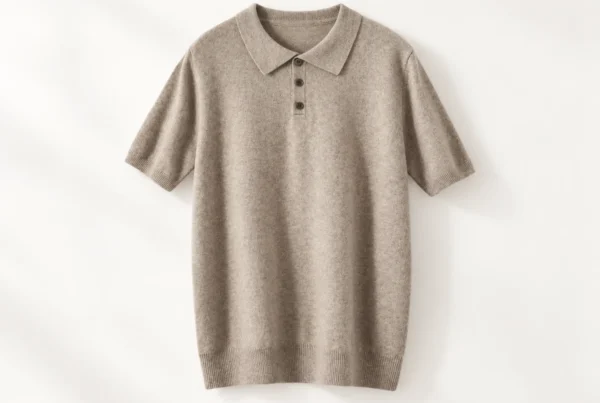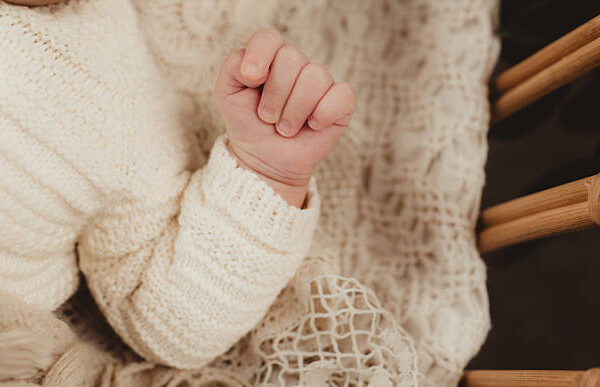
If you have an oversized sweater design, a reference photo or an existing sample, that is enough to start discussing production. The factory can review the fit, yarn and design details with you, then confirm the measurements needed for sampling. A full tech pack helps and saves back-and-forth, but it is not a condition for the first conversation.
Oversized is also one of the loosest words in a knitwear inquiry. It can describe a boxy body, a long shape that covers the hips, a wide body with an ordinary shoulder, or a garment cut larger across every point. Those are different sweaters, and the difference sits in a few proportions rather than in the word itself.
What an Oversized Sweater Inquiry Can Start From
Buyers arrive with different amounts of information, and all of it is usable. A reference photo shows the look you are after. A sketch shows the shape you have drawn. An existing sample shows fit, weight and finish on a real garment. A tech pack puts measurements and construction notes in one place. Each one gives the factory a different starting point, and none of them is a prerequisite.
From that material, the factory reviews whether the design can be developed as drawn: the silhouette, the yarn and gauge direction, how the shoulder and sleeve are likely to sit, and whether anything in the design needs to be decided before a sample is made. A design that is very wide, very long or worked in a heavy yarn is worth reviewing at this stage rather than after sampling.
What helps most in that first exchange is not a complete document. It is knowing which parts of the reference you want to keep and which you want to change. “Same volume, shorter body” or “same length, narrower shoulder” tells the factory more than a folder of files without a direction. If you are working from a photo alone, starting from a reference photo without a tech pack explains what can be worked out from an image and what has to be decided together.
What You Can Change on an Oversized Design
Most of an oversized sweater is open to customization, and the list below is the usual ground:
- Overall volume — how far the garment sits from the body
- Body width and body length
- Shoulder position and shape
- Sleeve shape, width and length
- Hem and neckline treatment
- Yarn type and color
- Gauge and surface texture
- Pattern, logo and private-label details
Customization is a discussion, not a menu. Some combinations carry more work than others — a very wide body in a heavy yarn, a long length with a deep rib, a neckline that has to hold its shape on a loose body — and the factory should say so before sampling rather than after. How gauge changes the look and weight of the same design is covered in sweater gauge, appearance and cost.
How the Fit Gets Agreed Before Sampling
Oversized does not mean ordering one size larger. A size up adds a little width everywhere; an oversized design redistributes proportions. A short, wide, boxy body is a different garment from a long, wide body with a normal shoulder, even when both are sold as oversized. That is why the fit is worth talking through with an oversized sweater manufacturer before a sample is cut.
Six points usually carry the conversation. They are a guide for discussing the fit, not a checklist you have to complete before making an inquiry.
| Point | What it decides | How to start |
|---|---|---|
| Chest width | How much room sits between body and sweater | Say how loose you want it, or send a sweater that already fits the way you mean |
| Shoulder position | Where the shoulder seam sits on the arm | Show it in the reference; the factory can propose a position |
| Body length | Whether the hem sits at the waist, hip or below | Describe where it should land on the wearer |
| Hem width | Whether the hem hangs away or sits closer to the body | Refer to the look you want at the hip |
| Sleeve length | Where the cuff lands on the arm | Say whether it should stop at the wrist or cover the hand |
| Neck opening | How wide the neckline reads, and how it sits when worn | Show the neckline in the reference and say if it should stay open |
If you have a sweater with a fit you like, send its measurements and explain what you want to change. If you do not have a measurement chart yet, a reference photo and a description of the target fit are enough for the factory to propose measurements for the first sample. Measurement points and methods should be agreed between the buyer and factory before production. Any tolerance you want applied should be settled at the same stage — see sweater measurement tolerances and how to prepare a sweater tech pack if you are building one.
What the Sample Should Answer
The first sample is where the design stops being a description and becomes a garment. Judge it on the things you would notice in a shop:
- Does it look like the reference in volume and proportion?
- Is the body as wide and as long as you intended?
- Does the shoulder sit where you expected, and does the sleeve fall to the right point?
- Can the wearer move, sit and raise their arms without the garment pulling away from the body?
- Does the hem sit where you wanted it?
- Does the neckline look right on a person, and does it pass over the head comfortably?
- Does the yarn and surface feel like the direction you approved?
Check it on a person or a fitting form, not only flat on a table, and check it against whatever specification you and the factory agreed. One sample is one size: the other sizes in your range still need their own review, and the way a fit changes from small to large is worth discussing before bulk. The full pre-approval routine is in the sweater sample approval checklist.
An approved sample is the reference for bulk production, not a promise that every later piece will be identical. If something changes after approval — yarn, trim, measurements, color — both sides should agree it in writing, and depending on the change a revised sample may be needed. Where the development stage allows, the sample should be made in the yarn and gauge you intend to use for bulk, so the fit you approve is the fit you will receive.
What Affects Price and MOQ
An oversized style uses more yarn than a narrow one in the same yarn and gauge, but material is only one part of the quote. Yarn price, garment weight, width and length, color count, pattern or structure details, trims, packing and the quantity you order all move the number. Two oversized sweaters that look similar in a photo can sit at different prices because of the yarn, the color plan or the finishing.
Because of that, quotes are only really comparable when the same information goes to each factory. If one supplier is quoting on a photo and another on a full specification with yarn and color plan, the two numbers are answering different questions.
On quantity, the starting point is the same as for any other knitwear style. Our starting MOQ is 100 pieces per style for suitable projects. Size and color allocation depend on the yarn, color plan and production requirements. For an oversized style the size split is worth discussing early, since the largest size is the one most likely to raise a question about width or yarn use. More on how the pieces add up is in the sweater cost breakdown, and on splitting quantity in custom sweater MOQ planning.
What to Send With the First Inquiry
Send what you already have. An oversized sweater manufacturer can review a design from a photo, a sketch or a sample, and the first reply is usually a set of questions rather than a price.
- The reference photo, sketch or sample, and which parts of it matter
- What you want to keep and what you want to change
- Your size range, and the size you want to develop first
- An existing measurement chart, if you have one
- Expected quantity and how you plan to split it across sizes and colors
- Yarn or color preferences, if you have them
- Branding, label and packaging requirements
- A target price or retail positioning, if it is already fixed
Incomplete information is normal at this stage. It is enough for an initial review; the conditions behind a formal quote get confirmed once the design, yarn and quantity are clearer. If the shoulder or sleeve shape is the part you are unsure about, raglan, drop shoulder and set-in sleeves explains how each changes the line of an oversized garment.
Start With the Design You Already Have
You do not need a finished specification to begin. Send the reference, the fit you have in mind and your quantity plan, and we will review the design, the yarn direction and what needs to be decided before a sample. Send your design and fit notes and we will reply with the questions that matter for your style.