
A sweater factory can only price what it can see. An inquiry that says “men’s crewneck sweater, 500 pieces” will get a rough range at best, because yarn, gauge, color count, and finishing details can move the unit price by 30% or more in either direction. An accurate quote needs nine items: a design reference, material preference, gauge or fabric weight, quantity, color count, size range, logo and technique requirements, packaging requirements, and a target delivery date.
This guide explains what each item does to the price, what level of detail is enough, and how factories actually turn your information into a quotation.
Why Vague Inquiries Get Unreliable Quotes
When key information is missing, the person quoting has to guess, and guesses go in the factory’s favor, not yours. A “cotton sweater” could mean a 12-gauge fine knit in combed cotton or a heavy 5-gauge chunky knit, two products with very different yarn consumption, knitting time, and prices.
Quotes built on assumptions create two practical problems for buyers:
- Budget drift. The detailed quote that follows sampling comes in well above the first estimate, and the project stalls.
- False comparisons. Two factories quoting against different unstated assumptions cannot be compared. The lower number may simply reflect cheaper assumed materials.
Sending complete information once is faster than trading clarification emails for a week. It also filters suppliers: a factory that quotes carefully against your actual details is showing you how it will communicate during production.
 The Nine Items Behind Every Accurate Sweater Quote
 The Nine Items Behind Every Accurate Sweater Quote
Here is the checklist our team works through when pricing an inquiry. Items 1 to 5 have the largest effect on unit cost; items 6 to 9 mainly affect the final landed price and schedule.
- Design reference — photo, design drawing, tech pack, or physical sample
- Material preference — yarn fiber, blend ratio if known, and quality level (e.g., standard acrylic vs. anti-pilling acrylic)
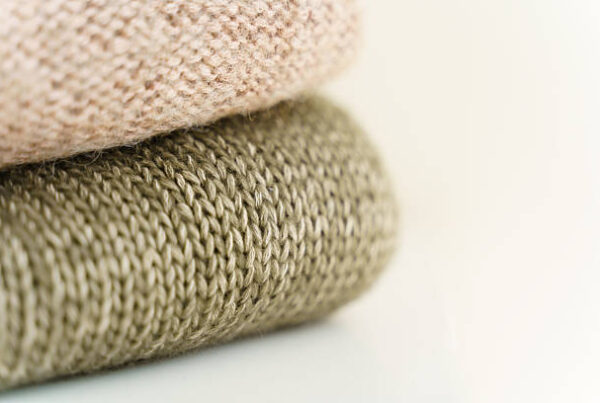
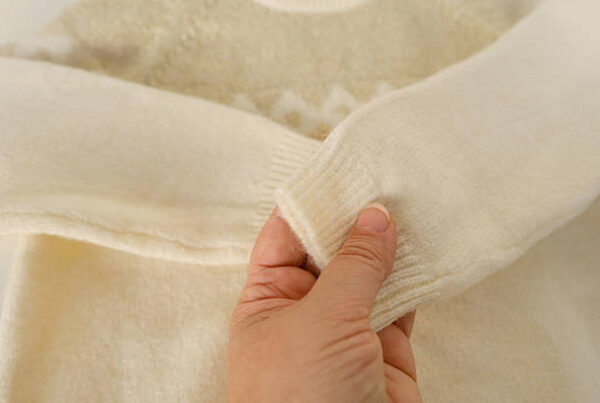
- Gauge or fabric weight — The preferred machine gauge, usually from 3GG to 16GG, or the target garment weight per piece. To make selection easier, we can provide reference images showing sweaters made in different gauges, fabric densities, and thickness levels, helping buyers compare the final appearance and hand feel before confirming the specification.
- Quantity — total pieces and whether it is one style or split across styles
- Colors — number of colors per style and total colorways
- Size range — sizes offered and the quantity ratio per size
- Logo and technique requirements — jacquard, embroidery, intarsia, cable, crochet, prints, labels, hang tags
- Trims and packaging requirements — Custom main labels, hang tags, care labels, zippers, rib cuffs, and other garment accessories should be specified. Standard packing and customized retail packaging can also affect the quotation,
- Target delivery date — the date goods must ship or arrive
Missing one or two items is normal, especially for early-stage brands. State what you have and mark the rest as open to suggestion, so the quote lists its assumptions instead of hiding them.
Design References: What Each Type Can and Cannot Do
The design reference is the single biggest driver of quote accuracy. Not all references carry the same amount of production information.
| Reference Type | What the Factory Can Confirm | What Must Be Assumed | Quote Accuracy |
|---|---|---|---|
| Tech pack with measurements and BOM | Stitch, gauge, yarn, measurements, trims, tolerance | Little to nothing | High — firm unit price |
| Physical sample or garment | Stitch structure, gauge, yarn type (via fiber check), measurements | Fiber blend ratios, color codes | High — after sample analysis |
| Design drawing / flat sketch | Silhouette, pattern placement, color blocking | Yarn, gauge, measurements, trims | Medium — range pricing |
| Reference photo only | General style and stitch appearance | Yarn, gauge, weight, measurements, construction details | Low to medium — estimate only |
A photo is enough to start a conversation; it is rarely enough for a binding price. If you only have photos, expect a range quote that narrows after a counter-sample is made, and expect more back-and-forth during sweater sample development, because details the photo hides have to be resolved in yarn and stitches.
How Your Choices Change the Price
A handful of variables do most of the work inside a sweater price, and all of them come from information the buyer provides.
Yarn
Yarn is typically the largest single cost component of a knit garment, and fiber choice moves the price more than any construction detail. A standard acrylic and a merino wool blend can differ by several dollars per piece before knitting even starts. If you are flexible on fiber, say so and ask for two price points — for example, 100% cotton versus a cotton-acrylic blend — rather than asking for “something cheaper” after the quote arrives.
Gauge and weight
Gauge determines yarn consumption and knitting time per piece. A 3-gauge chunky sweater uses far more yarn than a 12-gauge fine knit, and a heavier garment costs more to ship as well. If you do not know the gauge, a target weight per size (in grams) gives the knitting floor enough to work with.
Colors
Every additional colorway means separate yarn dyeing or sourcing, separate knitting setups, and a higher effective minimum per color. A style in 2 colors at 500 pieces is a very different job from the same style in 6 colors at 500 pieces. This interacts directly with MOQ: at our factory the minimum is 100 pieces per style with mixed colors and sizes allowed, but the price per piece still improves when the color count stays tight. The mechanics behind this are covered in our sweater MOQ guide.
Quantity and size ratio
Quantity spreads fixed costs — pattern making, machine programming, sampling — across more pieces, which is why 1,000 pieces price noticeably lower per unit than 100. Give one real target quantity rather than asking for a price ladder from 100 to 10,000; ask about the next price break after you have a base number.
Size range matters because larger sizes consume more yarn and grading across many sizes adds pattern work. A kids’ line at 80–130 cm and a men’s line at S–3XL are different cost structures even at the same piece count. If you have a size ratio, include it — yarn consumption is calculated from the weighted average, not the smallest size.
Packaging
Packaging is often left out of inquiries and then surprises buyers at the end. Standard polybag-and-carton packing is usually included; custom printed polybags, branded hang tags, gift boxes, or barcode stickers add material and labor that must be quoted. State retail-packaging requirements in the inquiry, not after bulk production starts.
What Happens After a Factory Receives Your Information
A structured quotation process at a knitwear factory looks like this:
- Design review. A technician reads the reference, identifies the stitch structures, and estimates machine gauge and knitting time per piece.
- Yarn matching. The yarn team matches fiber, blend, and color against stock yarn cards or supplier swatches, and prices yarn consumption per size.
- Technique costing. Jacquard programming, embroidery stitch counts, crochet hours, and label or trim costs are added line by line.
- Quotation sheet. You receive a unit price tied to stated assumptions: yarn, gauge, quantity, colors, packaging, and an estimated bulk lead time from order confirmation.
With complete information this takes a few working days. With incomplete information it turns into a question list, which is why the first email matters more than the follow-ups.
Common Mistakes That Lead to Inaccurate Quotes
- Asking for a price before any reference exists. “How much is a custom sweater?” has no answer; a photo plus a quantity does.
- Hiding the real quantity to test the factory. Quoting against 2,000 when you intend 300 produces a price you cannot use and a relationship that starts on bad information.
- Ignoring size distribution. A quote calculated on size S and produced mostly in XL comes back as a cost revision mid-production.
- Comparing quotes without comparing assumptions. Ask each factory what yarn, gauge, and weight its price is based on. A detailed sweater cost breakdown makes these differences visible.
- Forgetting the delivery date. A quote without a timeline can hide peak-season surcharges or an unrealistic production slot. State your target date and let the factory confirm feasibility.
Frequently Asked Questions
Can I get a quote without a tech pack?
Yes. Clear photos of the front, back, and details, plus a target quantity and material preference, are enough for an estimate. Expect the price to be confirmed or adjusted after a physical sample is made and measured — the full OEM/ODM customization process shows how sampling locks the final specification.
Should I send my target price with the inquiry?
It helps. A target price lets the factory immediately say whether it is achievable and propose yarn or construction alternatives to reach it, instead of quoting a specification you cannot afford.
What if I don’t know the yarn composition I want?
Describe the hand feel, season, and price level you are aiming for, and ask for two or three yarn options with separate price points. Physical color cards and yarn swatches can be mailed before you decide.
How long does a quotation take?
With complete information, a few working days. Sampling, if needed before final pricing, adds the sample development time on top.
Does the quote include sampling costs?
Usually not. Sampling is charged separately and, at our factory, the sample fee is refunded when the bulk order reaches 200 pieces per style.
Get a Quote for Your Sweater Project
Send us your reference images or tech pack, material preference, target quantity and colors, size range, logo or technique requirements, packaging needs, and target delivery date. Our team will review the design, flag anything that needs a decision, and reply with a quotation that lists its assumptions — so the number you approve during sampling is the number you produce at.