OEM and ODM sweater manufacturing gives fashion brands two paths to produce custom knitwear without operating their own factory. In a typical OEM project, the buyer provides the main product specification, such as a tech pack, physical sample or detailed design brief, and the factory manufactures according to the agreed requirements. In a typical ODM project, the supplier may contribute design and product-development support based on the buyer’s direction, mood references or market requirements. A single project may combine elements of both. Before development begins, buyers should confirm design ownership, specification responsibility, intellectual-property arrangements and what can be customized.
This guide covers how OEM and ODM sweater projects work in practice, what buyers should prepare, and what happens at each stage from initial assessment to shipment.
 1. What Do OEM and ODM Mean in Sweater Manufacturing?
 1. What Do OEM and ODM Mean in Sweater Manufacturing?
These terms describe different starting points and divisions of development work. Definitions vary by supplier and industry, so confirm the actual scope during initial discussions.
| Model | Typical Starting Point | Main Design Responsibility | Customization Level | Suitable Buyers |
|---|---|---|---|---|
| White Label | Existing finished or near-finished product | Mainly supplier | Limited | Buyers testing a market quickly |
| Private Label | Supplier base style or buyer-developed concept | Shared or buyer-led | Moderate to high | Brands building their own label |
| OEM | Buyer spec, sample or tech pack | Mainly buyer | High | Brands with defined requirements |
| ODM | Supplier-developed concepts or design input | Mainly supplier or shared | Moderate to high | Buyers needing development support |
A project may blend models — for example, OEM specifications with private label branding and ODM input on stitch structure. Confirm who owns the design, who prepares technical specifications, and what customization is permitted before work starts.
2. What Buyers Should Prepare Before Development
The more complete the information, the more accurate the initial assessment and quotation.
| Information | Why It Matters |
|---|---|
| Reference image, sketch, sample or tech pack | Defines the product starting point |
| Measurement chart | Supports sample and grading accuracy |
| Yarn composition or target hand feel | Affects appearance, performance and cost |
| Gauge or target garment structure | Affects structure and yarn consumption |
| Quantity by color and size | Supports MOQ assessment and planning |
| Pantone or physical color reference | Supports yarn and color development |
| Logo artwork | Clarifies jacquard, embroidery or print requirements |
| Label and packaging requirements | Affects quotation and production preparation |
| Target market | Helps identify labeling and testing needs |
| Delivery destination | Supports logistics assessment |
| Target delivery date | Supports production scheduling |
| Testing or compliance requirements | Clarifies documentation and standards |
 3. Step 1: Initial Project Assessment
 3. Step 1: Initial Project Assessment
The factory reviews the design for feasibility — checking whether the gauge, yarn, stitch structure, construction, quantity, color split, logo technique, testing requirements and target schedule are compatible. If a reference image is provided without measurements or material details, the initial assessment can confirm general feasibility but quotation accuracy depends on the additional information supplied. A thorough assessment at this stage identifies potential issues with yarn availability, stitch complexity or color split before resources are committed to sampling.
4. Step 2: Yarn and Material Selection
Sweater yarn materials fall into two broad categories: stock-service yarns in pre-dyed colors, which can reduce preparation time; and custom-dyed yarns, which offer specific colors but involve minimums per color and longer lead times. Physical yarn swatches, color cards or lab dips help align expectations before sampling. When certified materials or standard-specific documentation are required, confirm the certification scope, certificate holder and any order-level documents at the material sourcing stage. Yarn supplier minimums and dye lot considerations should be discussed early, as they flow through to garment MOQ and color consistency.
5. Step 3: Quotation and Commercial Confirmation
A production quotation should be based on yarn composition, gauge, garment weight, stitch complexity, quantity, color count, size range, logo technique, trims, labels, packaging, testing requirements, trade terms and shipment needs. Payment terms, trade terms and shipment arrangements are confirmed per quotation, destination and order. Before confirming the order, buyers should review how the quotation assumptions — such as yarn grade, gauge, color count and packaging level — affect the unit price and verify that these assumptions match the development specification.
6. Step 4: Sample Development
Sample development may include an initial development sample, fit and measurement review, yarn and color approval, revision samples and a pre-production sample when required. Terminology varies between factories — confirm definitions at the start. Sample development time depends on yarn availability, design complexity, stitch structure and the number of revisions.
7. Step 5: Pre-Production Confirmation
Before bulk production begins, confirm the approved sample, measurement specification, yarn and color, stitch structure, logo placement, labels, trims, packaging, quality criteria, testing requirements and production schedule. Any unresolved specification can lead to inconsistencies, rework or delays during bulk production.
8. Step 6: Bulk Production
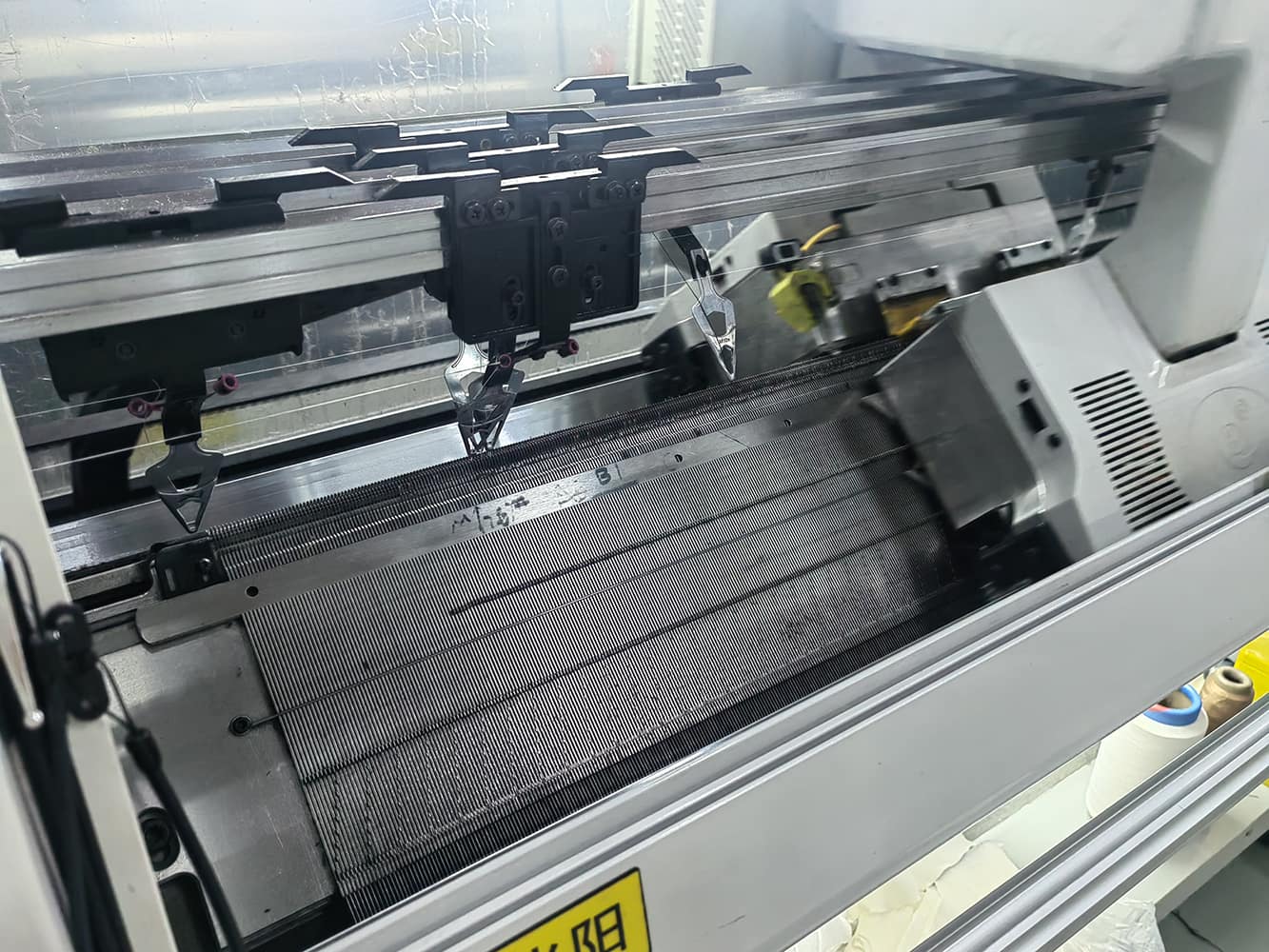
Bulk production typically moves through yarn preparation, knitting, linking or sewing, washing and finishing, measurement checking, labeling and packing. Quality checks at each stage help catch issues before they affect the full order. The sequence and duration of each step depend on the product — a fine-gauge pullover in a single color processes differently from a chunky cardigan with intarsia, embroidery, custom buttons and multiple colorways. Confirm the production schedule by stage rather than as a single block of time.
9. Step 7: Inspection and Shipment
The inspection method, sampling plan, defect classification and acceptance criteria should be confirmed before bulk production. Depending on the order, inspection may include in-process checks, final inspection or third-party inspection. Trade terms and shipment arrangements are confirmed per order and destination. Inspection should be part of the production schedule — leaving it as an afterthought can delay shipment if issues are found that need correction.
10. What Affects MOQ?
MOQ is evaluated according to yarn availability, design complexity, color requirements, craftsmanship and the overall order structure. Key factors include stock or custom-dyed yarn — custom dyeing typically requires a minimum per color which flows through to the garment MOQ — plus yarn supplier minimums, number of colors and per-color quantity, gauge, stitch and pattern complexity, handwork such as crochet or embroidery, custom trims, labels, packaging and testing requirements. An order split thinly across many colors in small per-color quantities faces different MOQ constraints than the same total quantity in one or two colors.
11. What Affects Price?
Price is driven by material, construction and order structure. The table below shows the general direction of cost impact for common requirements. Actual pricing depends on the specific project and is confirmed in the quotation.
| Requirement | Typical Cost Impact |
|---|---|
| Stock yarn and simple stitch | Generally lower |
| Custom-dyed yarn | Moderate to higher |
| Intarsia or complex jacquard | Higher |
| Hand embroidery or crochet | Higher |
| Custom trims, zippers or metal accessories | Moderate to higher |
| Special testing or certified materials | Project-dependent |
12. What Affects Development and Production Time?
Sampling and bulk production schedules depend on yarn availability, design complexity, approval speed, order quantity and the current production schedule. Buyers should confirm the timeline for each stage — yarn preparation, sampling, revisions, bulk production, inspection and shipping — rather than accepting a single aggregate number. For a detailed breakdown, see our sweater production lead time guide.
Additional factors include custom dyeing lead time, pattern programming, the number of colors, testing requirements, packaging preparation and seasonal production loading.
13. Common Development Problems
- Incomplete specifications. A reference image without measurements or material details produces a rough assessment at best. Provide as much detail as available.
- Unclear measurement points. Different factories measure from different reference points unless specified. Include a measurement diagram or chart.
- Color references shown only on screens. Physical swatches, color cards or lab dips reduce the risk of mismatch between expectation and production.
- Unrecorded revisions. Changes discussed in messages but not updated in the tech pack or specification cause version confusion. Every approved change should be reflected in the written specification.
- MOQ split across too many colors. Per-color quantities below yarn supplier minimums can block production. Provide quantity structure by color and size.
- Late label and packaging confirmation. Custom labels, hangtags and packaging need preparation time. Confirm these before bulk packing begins.
- Unclear design ownership. Confirm intellectual-property terms, permitted use and any exclusivity at the start — not after development is underway.
14. How to Evaluate an OEM or ODM Sweater Manufacturer
When comparing potential manufacturing partners, assess whether the supplier can handle your specific product requirements — not just whether it produces knitwear in general.
- Does the supplier specialize in knitwear, or is it a general garment factory that also makes sweaters?
- Has it produced similar yarns, gauges and stitch structures to what your project requires?
- Can it assess reference images, samples or tech packs and provide technical feedback — not just a yes or no?
- Are yarn, color, measurements and specifications confirmed in writing, or only discussed verbally?
- Are MOQ and lead time explained with the conditions that affect them, or given as fixed numbers?
- Are sample revisions recorded and updated specifications shared?
- Are quality standards and inspection criteria confirmed before production?
- Can current, verifiable documents be provided when certifications or testing reports are required?
- Is the quotation based on a defined, documented specification with clear assumptions?
- Is communication timely and technically specific — does the supplier ask clarifying questions and flag risks?
A supplier that answers these questions with specifics rather than general assurances, and that can show production records of similar work, is better positioned to manage your project than one that agrees to everything without asking questions.
15. OEM and ODM Development with HDL Fashion
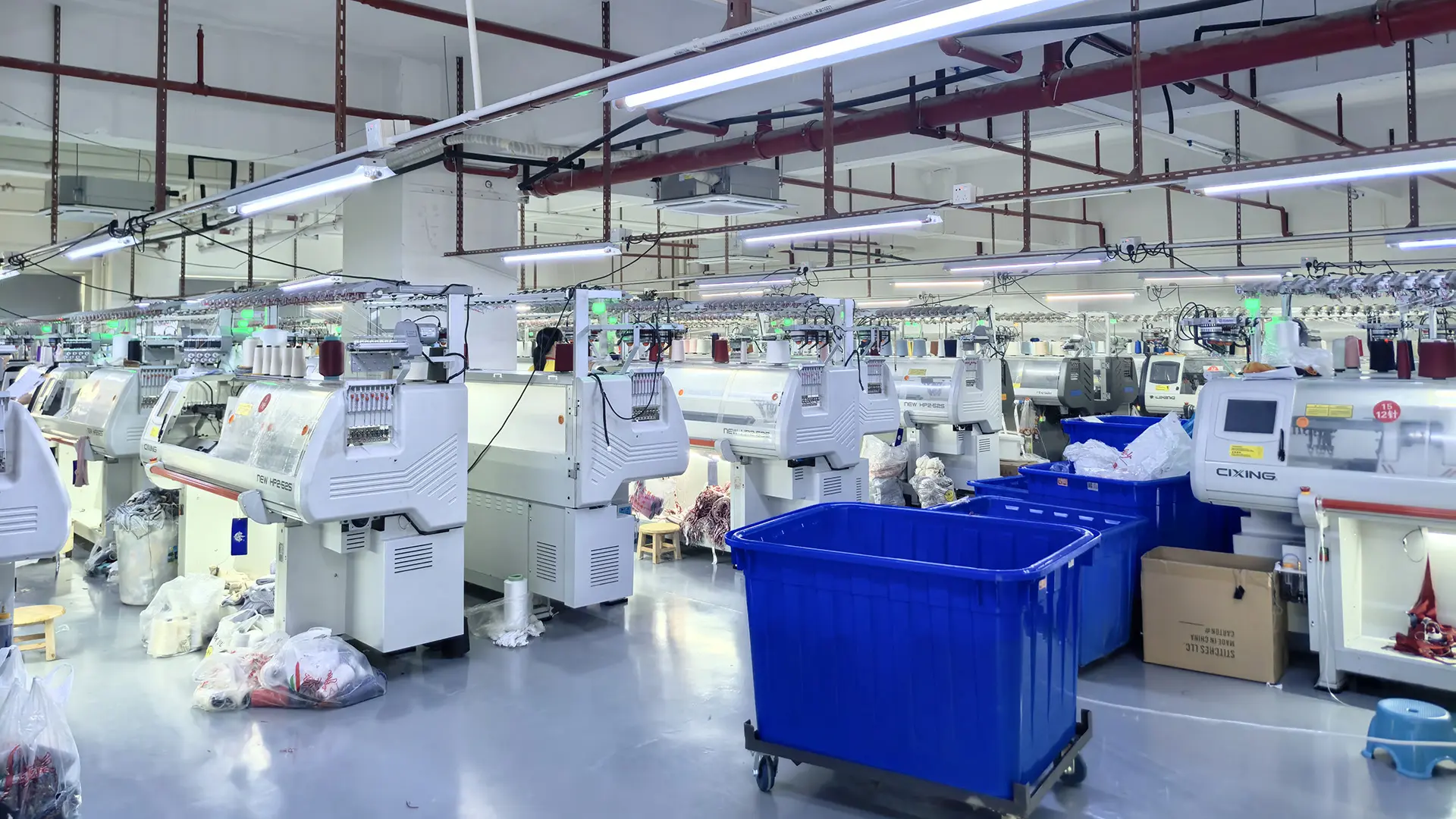
HDL Fashion provides private label sweater manufacturing, OEM and ODM knitwear development for men’s, women’s, baby and kids’ collections from a 5,000 m² factory with more than 20 years of knitwear experience. Buyers can provide reference images, samples, measurement charts or tech packs for an initial assessment. Customization may include yarn, color, stitch pattern, sizing, labels and packaging. MOQ, sampling time and bulk production schedules are evaluated according to the project requirements. Quality requirements and inspection planning are discussed per project — see our sweater quality control guide for more.
Brands can send HDL Fashion reference images, samples or tech packs for an initial production assessment.
 Frequently Asked Questions
What is OEM sweater manufacturing?
In a typical OEM project, the buyer provides the main product specification, such as a tech pack, physical sample or detailed brief, and the factory manufactures according to the agreed requirements. Design ownership, permitted use and responsibility for yarn, measurements, construction and finishing details should be confirmed before development begins.
What is ODM sweater manufacturing?
In ODM, the supplier contributes design and development support. The factory may create products from the buyer’s direction, mood references or market input, and the level of customization is confirmed per project.
What information is needed for a quotation?
Provide the design reference, measurement chart, yarn preference, gauge or weight target, quantity per color and size, color references, logo artwork, label and packaging details, target market, delivery destination and target date.
Can a sweater be developed from a reference photo?
Reference photos support an initial feasibility assessment, but accurate sampling and quotation usually require additional information — measurements, material preference, color references, construction details and quantity.
What affects the MOQ?
MOQ is influenced by yarn availability, custom dyeing, color count, per-color quantity, gauge, stitch complexity, handwork, trims, labels, packaging and testing requirements. MOQ is evaluated according to the specific project.
What should be confirmed before bulk production?
Confirm the approved sample, measurements, yarn and color, stitch structure, logo placement, labels, trims, packaging, quality criteria, testing requirements and production schedule.