
There is no fixed number of sweater sample revisions a program needs before bulk production. The count depends on how complete the specifications are at the start, whether the design is still changing, and which dimension each round is correcting. What matters is not hitting a set number but making every round resolve something concrete.
 What Drives the Number of Sample Revisions
 What Drives the Number of Sample Revisions
A revision round may be needed because the previous sample does not meet an agreed requirement, because the design has changed, or because a material or construction decision still needs to be evaluated. The main drivers of extra rounds are:
- Incomplete specifications. A rough sketch or a single photo leaves more for the factory to interpret, which can produce a sample that misses the target and needs another round.
- A design still in motion. When the silhouette, pattern, or color keeps changing during sampling, each change can require a new round.
- Yarn or gauge changes. Switching fiber, yarn count, ply, or gauge changes the hand, weight, and drape, and can require re-knitting to judge the result.
- Vague feedback. Comments such as “make it better” without a specific direction can lead to another round that still misses the target.
- Color matching. Color matching. Shade approval can require additional color review or sampling work when the first yarn dip or knitdown does not match the reference.
Possible Approval Checkpoints During Sample Development
These are approval checkpoints rather than a fixed four-round sequence. Some projects combine them, while others separate color, fit or construction reviews depending on the style and approval process.
- Development review — design direction. Confirm silhouette, proportions, yarn hand, and construction approach.
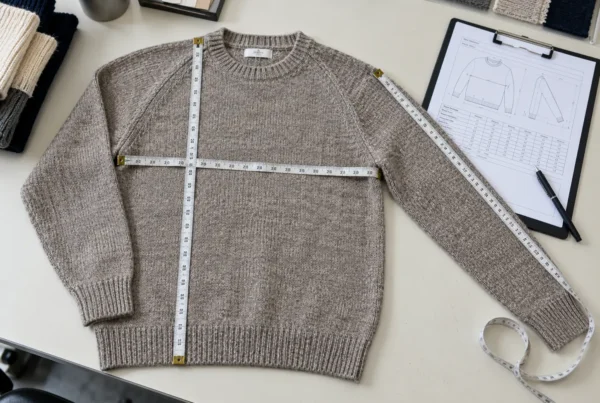
- Fit and construction review. Confirm measurements, neckline, cuff, hem, and pattern placement as needed.
- Color approval checkpoint — where applicable. Depending on the project and yarn source, color may be reviewed through yarn color cards, lab dips, physical yarn samples or knitdown swatches.
- Pre-production approval — if applicable. If a PP sample forms part of the agreed approval process, use it to review the production specification before bulk.
Our guide to development sample vs PP sample explains how these two checkpoints differ: Our guide to development sample vs PP sample explains how these checkpoints differ: development reviews confirm the design direction, while a pre-production review, where used, helps verify the production specification before bulk.
How the Type of Change Affects Revision Rounds
Different change types can create different sampling impact. The scale of the change and what it alters in the fabric, fit or construction determine how it is reviewed.
| Change type | What it touches | Possible Sampling Impact |
|---|---|---|
| Measurement or trim | Pattern or trim only | May be handled through an updated specification or may require another sample, depending on the change. |
| Neckline, cuff, or hem shape | Pattern shaping | May require another sample when fit or construction needs physical verification. |
| Pattern placement (cable, jacquard, intarsia) | Knitting program | May require a swatch, panel or revised garment depending on the issue. |
| Yarn fiber or blend | Hand, weight, drape, cost | Often needs physical re-evaluation because hand, weight and drape may change. |
| Gauge change | Stitch size, weight, hand | May require re-knitting because stitch scale, dimensions and fabric behavior can change. |
| Color shade | Dye lot, knitdown | May require a separate color approval without necessarily adding a full garment sample. |
For how each type of change may be verified after the first sample, see what can be changed after the first sample.
How to Reduce the Number of Sample Revisions
One practical way to reduce avoidable revision rounds is to clarify key requirements before sampling begins. The following inputs reduce interpretation gaps and help the first sample land closer to the target:
- A reference image or design drawing that clearly shows the intended silhouette and important design details
- A tech pack with measurements, tolerances, and construction notes — see our tech pack guide
- Material preference, including fiber, yarn count, and ply if known
- Target colors, with Pantone or physical references where available
- Stitch and pattern references for cables, jacquard, intarsia, or stripes
- Fit requirements or a reference garment to match
Consolidating feedback also helps. Sending one complete list of comments per round is faster than several small messages, which can trigger parallel or conflicting revisions.
When Revisions Signal a Problem
Extra rounds are not always a failure; a complex pattern or an unfamiliar yarn can legitimately take more sampling. But a pattern of repeated misses on the same dimension is worth investigating before it eats into the production schedule:
- The same fit point keeps coming back off in every round.
- Feedback is being applied differently than described, or ignored.
- Color keeps returning outside the agreed shade without explanation.
- The factory cannot explain what changed between rounds.
In these cases, pause and confirm the specification, the reference sample, and the communication channel before authorizing another round. For the differences that can legitimately appear between a sample and bulk, see why sweater samples differ from bulk production.
 What to Confirm Before You Approve Bulk Production
 What to Confirm Before You Approve Bulk Production
Before bulk production, the buyer and manufacturer should lock the controlling written specification and, where applicable, an approved physical or PP sample as a supporting production reference. Before you sign off, confirm:
- Measurements against the tech pack, within the agreed tolerance
- Final color against the approved shade
- Finished appearance and any agreed wash, shrinkage or dimensional-change checks where applicable
- Final trims, labels, and packaging
- Logo or branding method
This is the same set of checks we cover in the sample approval checklist. Once the production specification is approved, later changes may require additional sampling or approval and may affect the production schedule.
Frequently Asked Questions
How many sweater sample revisions are needed before bulk production?
There is no single number. A simple style with complete references can reach approval in fewer rounds, while a complex pattern or a new yarn can need more. Each round should resolve a specific issue rather than repeat the same correction.
How do I know whether to approve a sample or request another revision?
Approve when the sample meets the agreed specification — measurements within tolerance, correct color, correct construction, and correct trims. If a measurement is outside the agreed tolerance, request corrective action and decide whether another physical sample is needed based on the importance of the issue and the agreed approval process.
Do I need a new sample if I change the color after approval?
Changing an approved color may require a new color or yarn approval, depending on the yarn source and project. This does not always require another full garment sample. Earlier color confirmation can reduce disruption.
Can I combine several changes into one revision round?
Often, yes, when the changes can be evaluated together. Consolidating feedback reduces fragmented communication, but major changes to yarn, gauge, construction or fit may need separate evaluation so their effect can be judged clearly.
Does a more complex pattern mean more sample revisions?
It can. Intricate patterns such as multi-color jacquard or intarsia have more placement and color-boundary detail to confirm, which can add rounds. Clear artwork and stitch references reduce this.
Should I expect a PP sample after the development samples?
A PP sample is often used when the project requires a final physical approval before bulk production. If a PP sample is part of the agreed approval process, it should reflect the approved production specification as closely as practical before bulk begins. Simpler projects may use a different agreed approval route.
Tell Us Where Your Design Stands
Send your reference image or design drawing, tech pack, material preference, target quantity, colors, size range, logo or technique requirements, packaging requirements, and target delivery date. Our team can review the design, identify the likely sampling checkpoints and key information needed for development, and discuss the next steps toward quotation and production. Contact our sampling team to discuss your next sample.