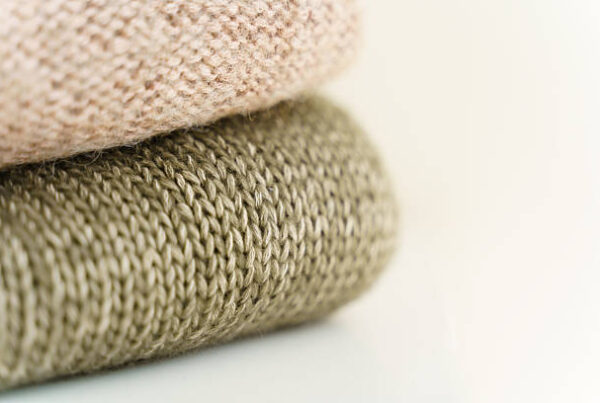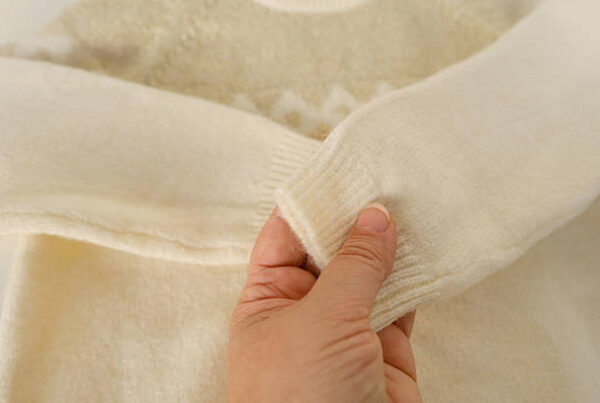
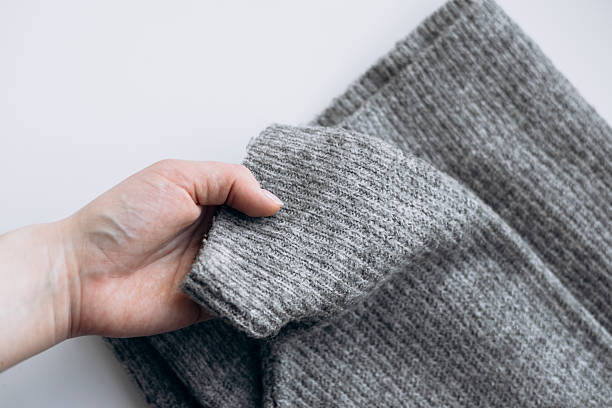
Sweater quality control is most effective when standards are defined before production begins. Different orders may use different sampling plans, inspection methods and acceptance criteria. Relying only on a final inspection without earlier checks leaves little room to correct issues that develop during knitting, linking or finishing.
This guide explains the quality dimensions B2B buyers should plan for — from pre-production confirmation through in-process checks to final inspection — and how to set criteria that the factory can follow.
1. What Is Sweater Quality Control?
Sweater quality control involves several distinct activities: defining the quality specification before production, checking products against that specification at agreed stages, testing materials or finished products when required, and reviewing factory or material documentation when relevant. Quality control is not the same as a factory audit, a material certification or a product testing report — each serves a different purpose.
2. Quality Standards to Confirm Before Production
| Item | What Should Be Confirmed |
|---|---|
| Approved sample | Serves as the visual and construction reference |
| Measurement method | Which measurement points and how to measure |
| Measurement tolerance | Acceptable deviation per measurement point |
| Yarn and composition | Fiber, blend ratio and supporting documents when required |
| Color standard | Approved swatch, lab dip or production reference |
| Stitch structure | Pattern, density and alignment |
| Appearance criteria | What constitutes acceptable vs. defective workmanship |
| Logo placement | Position, technique and size |
| Labels | Brand, care, size and hangtag content and attachment |
| Packaging | Folding method, polybag type, carton markings |
| Testing requirements | Which tests, which standards, who arranges testing |
| Inspection method | Sampling plan, inspection stages, acceptance criteria |
3. Pre-Production Quality Confirmation
Before knitting begins, confirm that the design is feasible for the selected yarn and gauge, the color standard is agreed, the measurement chart covers all sizes, the construction method is defined, logo and label placement are clear, and packaging requirements are documented. For buyers developing products under their own brand, see our guide on private label sweater manufacturing. Any unresolved specification at this stage can lead to inconsistencies during bulk production.
4. Incoming Yarn and Material Checks
Before knitting starts, check yarn type and count against the specification, review composition documents when required, confirm the color lot, inspect yarn condition, and verify trims, labels and packaging materials against the approved references.
5. Knitting Quality Checks
During panel production, check for dropped stitches, uneven tension, needle lines, pattern alignment in jacquard and intarsia work, cable structure consistency, panel shaping accuracy and gauge consistency across pieces. Identifying knitting issues early may allow machine settings or production methods to be adjusted before the issue affects a larger quantity. The exact checkpoints and frequency depend on the product and order structure — a plain-stitch crewneck and a multi-color jacquard cardigan have different inspection priorities.
6. Linking, Seaming and Assembly Checks
After panels are joined, check linking or seaming quality at the shoulders, sleeves and side seams. Inspect for loose ends, seam appearance, and seam strength where applicable. Different garment constructions use different joining methods — flat-knit panels may be linked stitch by stitch, while circular-knit fabric may be cut and sewn. Confirm the expected standard for each seam type in the specification. For more on how these processes fit into the overall production workflow, see our OEM and ODM sweater manufacturing process guide.
7. Washing and Finishing Checks
After washing and finishing, check hand feel, shrinkage or growth, distortion, pilling tendency, color change, surface appearance, pressing quality, and any odor or residue when relevant. Measurements taken after finishing provide a clearer picture of the garment’s finished dimensions, since knitwear can change during washing and finishing. If testing is required — for example, dimensional stability or pilling resistance — coordinate the sampling and testing schedule so results are available before final inspection.
8. Measurement Inspection
Measurement points and measurement method should be confirmed with the supplier before production. Tolerances are set per measurement point based on the style, gauge and fabric behavior — a single tolerance does not fit all measurements. A fine-gauge fitted style may need tighter tolerances than a chunky oversized silhouette. Measurements can be checked at multiple production stages, not only after finishing. Use the measurement method referenced in the specification and apply it consistently across the order.
9. Appearance and Workmanship Inspection
| Defect Area | Examples |
|---|---|
| Knitting | Dropped stitches, holes, uneven tension, needle lines |
| Pattern | Misaligned jacquard, distorted cable, incorrect intarsia placement |
| Seams and linking | Skipped stitches, uneven linking, loose ends, misaligned joins |
| Color | Shade variation within a garment or across the order |
| Finishing | Poor pressing, stains, pilling, uneven surface |
| Trims | Missing or loose buttons, zipper function, incorrect trim color |
| Labels | Missing, incorrect content, wrong placement, loose attachment |
10. Labels, Packaging and Carton Checks
Verify brand labels, care labels, size labels, hangtags and barcodes against the approved specification. Check polybag type and sealing, folding method, size assortment per carton, carton markings and packing list accuracy.
11. Understanding AQL Without Misusing It
AQL (Acceptable Quality Limit) is used with a sampling plan. The inspection level, lot size and selected AQL values together determine the sample size and the acceptance and rejection numbers. An AQL value should not be described as the percentage of defective goods the buyer has agreed to accept in the full shipment — that is a common misunderstanding. The buyer and supplier should agree on the applicable standard, inspection level, defect classification and acceptance criteria before bulk production.
For illustration only — not as a universal standard — a sampling plan might define critical, major and minor defect categories with different AQL values. Critical, major and minor are defect classifications whose definitions should be confirmed per project based on the product’s intended use, the buyer’s requirements and the potential risk each type of defect represents. The inspection level, lot size and selected AQL values together determine the sample size and the acceptance and rejection numbers for each defect category. Different defect categories may use different acceptance criteria. The actual sampling plan must be agreed per order. A sample inspection does not check every piece in a shipment — it checks a random sample drawn according to the agreed plan. Different products and markets may require different inspection standards, and the selected inspection level and AQL values should reflect the project’s requirements, not a default assumption.
12. Product Testing and Certification Documents
Documents serve different purposes and should not be confused:
- Fiber composition testing verifies the declared fiber content.
- Colorfastness, pilling and dimensional stability testing check performance characteristics.
- Chemical testing checks for restricted substances according to the target market.
- Factory-level audit or management-system certification may apply to the production facility, depending on the audit program or scope.
- Product or material certification may apply to yarns, fabrics, components or finished products.
- Transaction Certificate — under programs that use TCs, a TC documents certified materials or products for a specific transaction.
- Shipment documents apply to one order.
Buyers should request valid and current documents and verify the company name, certificate number, validity period and certification scope. Product testing and certification documents are distinct from a final inspection report — each confirms different things. A valid material certification document may show that specified materials fall within a certification program’s stated scope, while a final inspection report evaluates finished goods against the agreed order specification. Both may be needed, but they are not interchangeable.
13. In-Process, Final and Third-Party Inspection
Inspections can be arranged at different production stages according to the order. An in-process inspection reviews work during production and may allow corrective action before completion. A final inspection evaluates a sample of finished goods against the agreed criteria. Third-party inspection is arranged through an independent inspection company. Not every order requires all three — the inspection plan should match the project’s scope, value and risk level. The timing of inspections should be factored into the overall project schedule so inspection does not become a bottleneck at the end. For planning production timelines, see our sweater production lead time guide.
14. Sweater Quality Control Checklist
- Is the approved sample confirmed and referenced?
- Are measurement points and tolerances agreed in writing?
- Is the yarn composition confirmed with documents when required?
- Is the color standard approved (swatch, lab dip or production reference)?
- Is the stitch structure and gauge confirmed against the spec?
- Are logo, label and trim details confirmed?
- Are packaging and carton marking requirements documented?
- Are testing requirements and standards confirmed?
- Is the inspection method, sampling plan and acceptance criteria agreed?
- Is the inspection schedule built into the production timeline?
15. Handling Non-Conformities
When an inspection finds goods that do not meet the agreed criteria, document the issue with photos, measurements and the affected quantity. Where feasible, segregate the affected products from conforming goods. Assess whether the problem is isolated to a few pieces or indicates a systematic issue — a single misaligned label and a recurring tension problem across multiple panels require different responses.
Evaluate whether the goods can be reworked and whether rework may introduce new issues. Depending on the order and the nature of the problem, discuss sorting, rework, replacement or acceptance options with the supplier. After corrective action, re-inspect the affected products against the original criteria. Record the final outcome and add the root cause and corrective measure to the quality record for reference in future production. The handling process should be defined before production so both parties understand how issues will be addressed. For broader supplier evaluation criteria, see our guide on how to choose a reliable sweater manufacturer.
16. Quality Control with HDL Fashion
HDL Fashion provides private label, OEM and ODM knitwear development from a 5,000 m² factory with more than 20 years of knitwear experience. Yarn, measurements, workmanship, labels, packaging and inspection requirements are discussed with buyers according to the project. The applicable checkpoints and acceptance criteria should be confirmed before bulk production.
Brands can send HDL Fashion reference images, samples or tech packs for an initial assessment.
Frequently Asked Questions
What should a sweater quality checklist include?
A sweater quality checklist should cover the approved sample, measurements and tolerances, yarn composition, color standard, stitch structure, logo and label details, packaging requirements, testing standards, inspection method and acceptance criteria — all confirmed before production.
When should sweater quality standards be confirmed?
Quality standards, measurement tolerances, defect classification and inspection criteria should be confirmed before bulk production begins. Waiting until goods are finished to define acceptance criteria leaves no room for correction.
What is AQL in garment inspection?
AQL is used with a sampling plan. The inspection level, lot size and selected AQL values together determine the sample size and acceptance numbers. The buyer and supplier should agree on the standard, inspection level, defect classification and acceptance criteria per order.
Does AQL 2.5 mean 2.5% defective goods are allowed?
No. An AQL value is not the percentage of defective goods allowed in a shipment. It is used within a sampling plan — combined with the inspection level and lot size — to determine the sample size and the acceptance and rejection numbers for each defect category.
How should sweater measurements be inspected?
Measurement points and method should be confirmed before production. Use the same method referenced in the specification. Tolerances are set per measurement point based on the style and gauge. Measurements can be checked at multiple stages.
Can buyers arrange third-party inspection?
Yes. Third-party inspection can be arranged through an independent inspection company according to the order. Confirm the inspection scope, sampling plan, defect classification and acceptance criteria with the inspection company and the supplier before the inspection date.